Let Autumn Take Centre Stage
Fall landscaping ideas can transform even the simplest outdoor space into a rich display of gold, burgundy, bronze, orange, and crimson as summer begins to loosen its hold. Autumn has its own kind of theatre: leaves catch the low afternoon light, seed heads glow at the edges, ornamental grasses sway with a coppery softness, and cool-weather flowers step forward just as summer annuals begin to fade. Rather than treating fall as the closing curtain on the garden, think of it as a second act—one with deeper colour, stronger texture, and a warmer, more layered mood.
Creating that atmosphere does not require tearing out beds or redesigning the yard. A few thoughtful changes can shift the entire feeling of a landscape. Fresh mums can brighten tired borders. A container near the front door can gather the season into one compact composition. Thoughtfully picked shrubs can add berries and brilliant foliage year after year. Existing beds can be refreshed with repeated colour, while porches and patios can echo the garden with natural seasonal accents.
The key is to work with what is already there and add colour where the eye naturally lands. A front step, walkway, patio corner, or gap in a perennial bed can become a focal point with surprisingly little effort. Even a small entryway can make a memorable autumn statement when plants, texture, and seasonal details are used with intention. Bring your fall landscape to its fullest potential with practical fall gardening tips for Edmonton, from improving soil and choosing the right crops to tackling essential seasonal maintenance before winter arrives.
 1. Plant Mums and Other Cool-Season Favourites
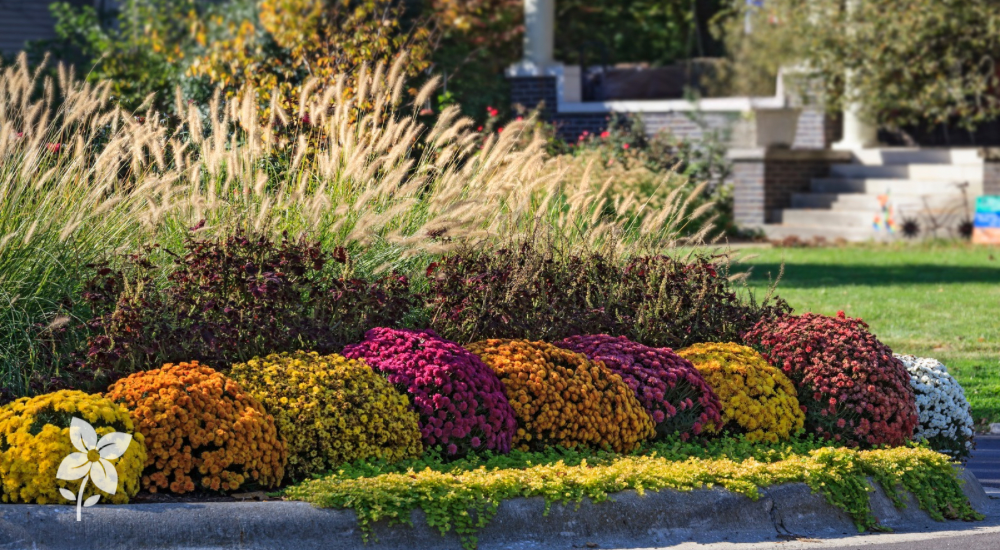
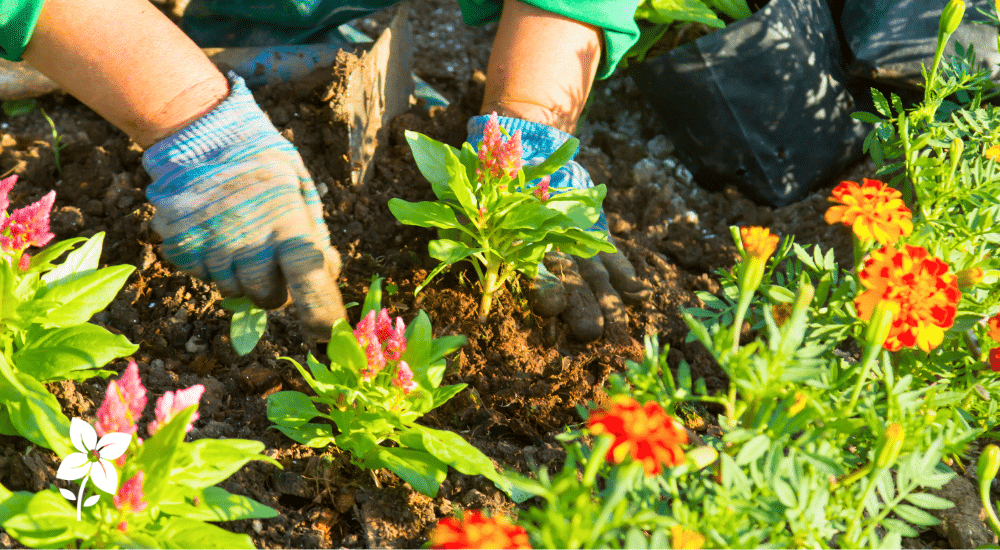
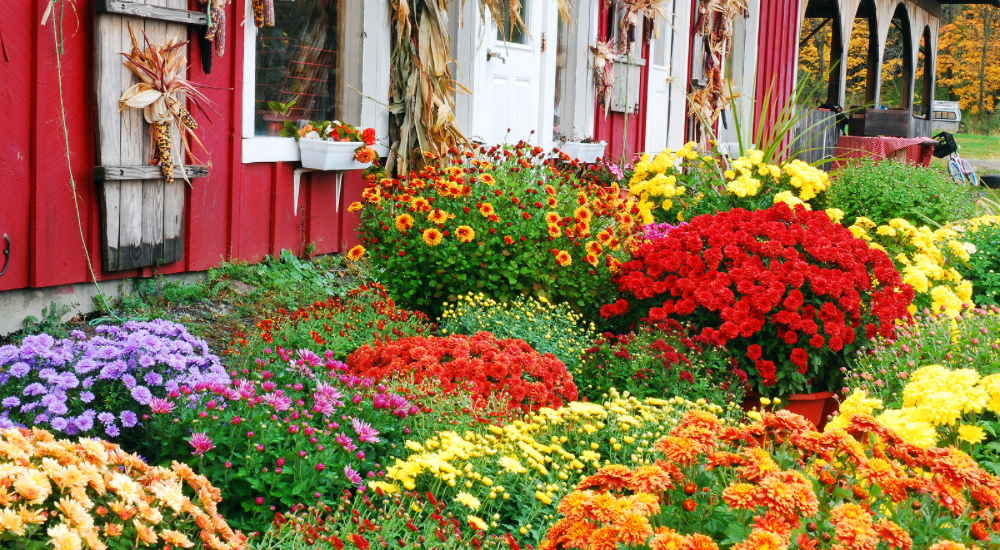
Few plants announce autumn as clearly as chrysanthemums. Their dense, rounded mounds and abundant flowers make them one of the quickest ways to add concentrated colour to a landscape. Deep burgundy, rusty orange, warm yellow, creamy white, violet, and dusky pink can all play a role, whether you prefer a traditional harvest palette or something softer and more contemporary. Place several together, and you get a collection of autumn colour; tuck them among existing perennials, and it can look as though mums are painting the garden in jewel tones.
When choosing mums for fall, look for plants with plenty of unopened buds rather than selecting only the specimens already covered in fully open flowers. Budded plants generally provide a longer display, giving you more time to enjoy the colour as temperatures cool. Choose healthy plants with dense foliage and avoid those that are badly wilted or rootbound to the point that water runs straight past the root ball.
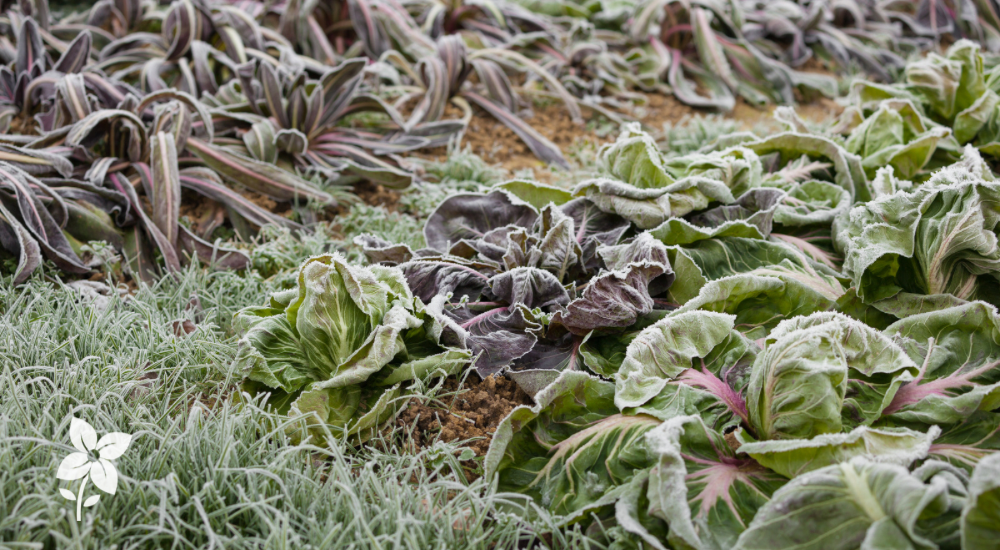
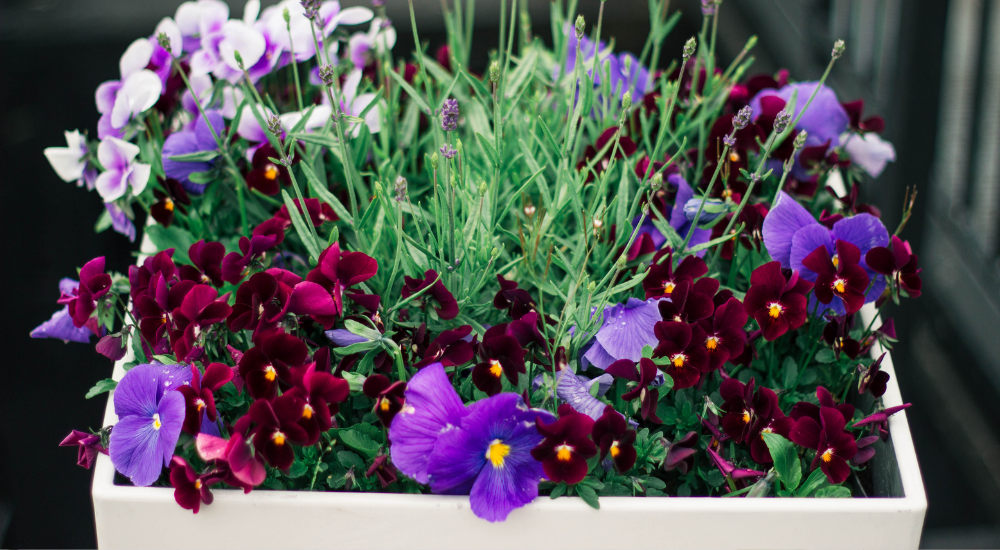
Mums are even more effective when they are paired with plants that contribute a different shape or texture. Ornamental kale and cabbage bring broad, sculptural leaves in green, purple, white, and rose tones. Pansies and violas add smaller flowers and a lighter, more delicate rhythm. Heuchera can contribute richly coloured foliage, while ornamental grasses provide height and movement. Depending on your climate and availability, asters can add clouds of blue, purple, or pink flowers that contrast beautifully with the warmer colours of autumn.
Think in layers rather than isolated dots of colour. A low sweep of pansies in front of several mums, backed by the vertical form of a grass, creates more visual depth than a row of identical plants. Repeating one or two colours also helps the planting feel deliberate. Three burgundy mums placed at intervals along a border, for example, can visually connect the space more effectively than five unrelated colours scattered randomly.
Placement matters. Mums generally perform best in bright light, and containers or beds that receive several hours of sun will support stronger flowering. Water thoroughly when the top of the soil begins to dry, especially during sunny, breezy fall weather. Container-grown plants can dry out faster than expected, so check the root zone rather than assuming cooler air means plants need little moisture. Remove faded flowers when practical to keep the display looking fresh and tidy.
 2. Create an Autumn Container Garden
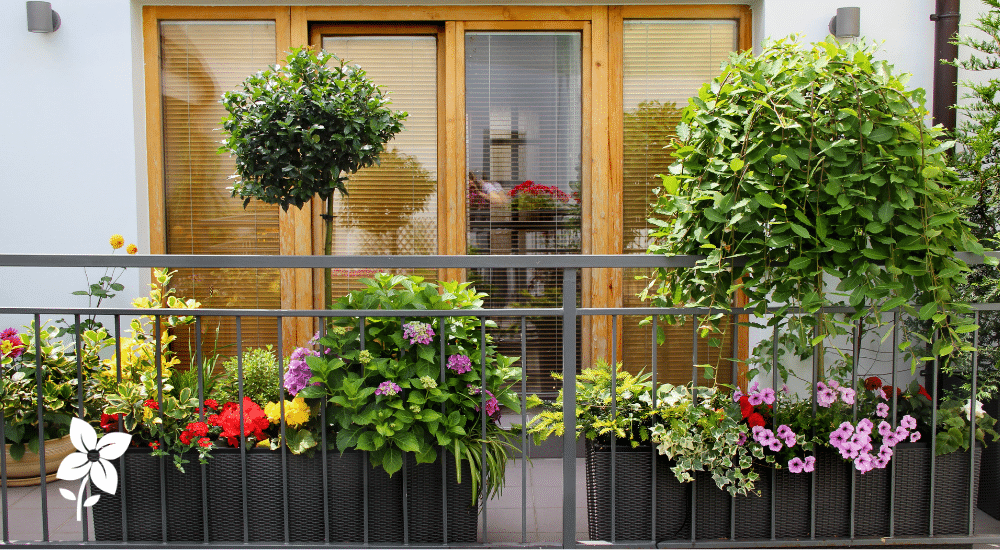
Containers are portable pockets of autumn, capable of bringing colour exactly where the landscape needs it. They can frame a doorway, soften a set of steps, define the edge of a patio, or brighten a balcony where there is no garden bed at all. Because they are easy to reposition, they are especially valuable in small landscapes where every square foot has to work hard.
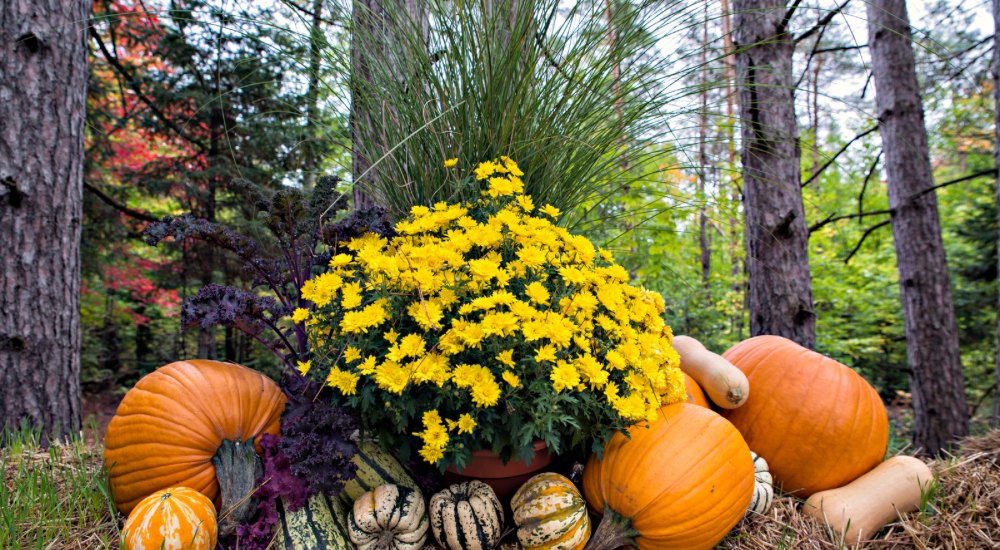
A strong autumn container usually combines more than flowers. Think about foliage, movement, shape, and seasonal detail. Mums, pansies, asters, and ornamental kale can provide colour. Grasses contribute height and a fine texture. Heuchera offers broad foliage in tones ranging from caramel and lime to plum and nearly black. Trailing plants soften the rim of the pot, while branches, seed heads, miniature pumpkins, or other natural accents can reinforce the season.
The classic “thriller, filler, spiller” approach remains useful because it creates a balanced composition. The thriller is the tallest or most architectural element, such as an ornamental grass or upright foliage plant. Fillers occupy the middle layer and provide body—mums, kale, asters, or compact foliage plants work well here. Spillers trail or arch over the edge, visually connecting the planting to its container. The formula is not a rule, but it is a reliable starting point when a pot feels flat or unfinished.
For greater impact, consider grouping fall planters rather than relying on a single oversized container. Three pots at staggered heights can create a richer composition while allowing each container to remain simple. One might feature a tall grass, another a mound of chrysanthemums, and a third a low mix of pansies and foliage. Repeating one plant or colour across all three makes the grouping feel connected.
Scale is important around entrances. A tiny pot can disappear beside a wide staircase or large front door, while a substantial container can anchor the architecture and make the planting feel intentional. On a smaller balcony or townhouse step, one well-proportioned pot may be enough.
Keep containers watered consistently, particularly after planting. Fresh transplants need good root-to-soil contact, and the reduced soil volume in a pot can dry quickly. Make sure every container has drainage holes, and avoid leaving roots sitting in cold, saturated soil. As plants fade later in the season, individual components can be removed or replaced without dismantling the entire arrangement.
These same principles can also guide fall flower arrangements intended for outdoor display: use a clear focal point, repeat colours, vary textures, and allow enough negative space for each element to be noticed.
 3. Choose Trees and Shrubs That Put on a Fall Show
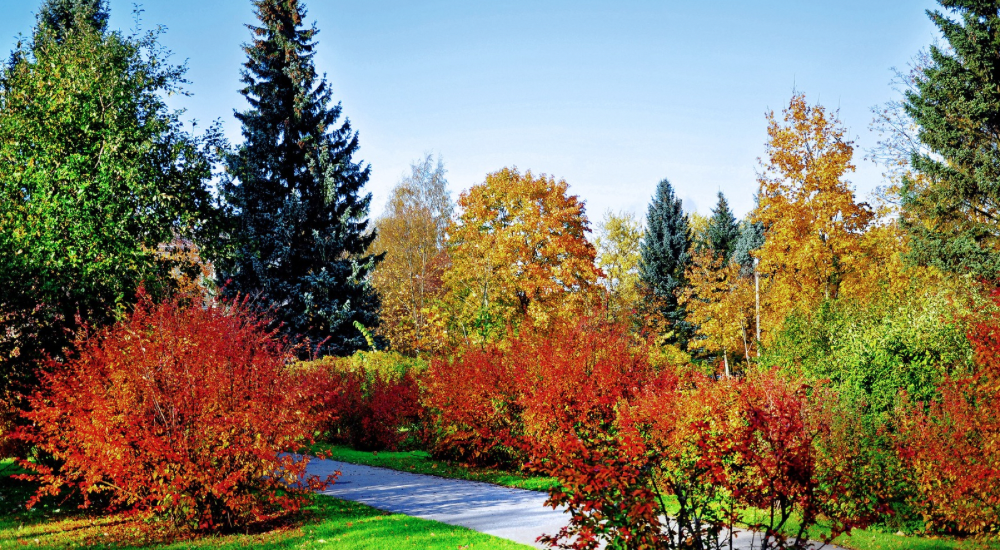
Flowers may provide quick seasonal colour, but trees and shrubs build autumn beauty into the bones of a landscape. They can turn the garden into a natural tapestry, changing almost day by day as temperatures cool and daylight shortens. A tree that was quietly green all summer may suddenly glow yellow or orange. A shrub may shift to scarlet while clusters of berries deepen to red, blue, purple, or black.
When adding woody plants, think beyond their spring flowers or summer foliage. Ask what they contribute in autumn and winter. Fall foliage is one obvious feature, but berries, colourful stems, exfoliating bark, persistent seed heads, and strong branching can all extend interest after flowers have disappeared.
Maples are famous for fall colour, but there are many other possibilities depending on the region, site conditions, and available space. Serviceberries can offer attractive foliage along with berries and a graceful form. Viburnums often combine autumn leaf colour with showy fruit. Dogwoods may provide colourful stems or berries in addition to changing foliage. Ninebark cultivars can contribute dark foliage through the growing season and interesting bark as leaves fall.
The important point is not to shop by autumn colour alone. A tree or shrub is a long-term landscape investment, so mature size, hardiness, sunlight, soil, drainage, and moisture requirements all matter. A plant that delivers spectacular red foliage but is poorly suited to the site will not be a good choice. Match the plant to the conditions first, then choose among suitable options for the seasonal features you want.
Placement can amplify the effect. A yellow-leaved tree backed by dark evergreens appears even brighter. Red berries near an entrance draw the eye. A shrub with burgundy foliage can repeat the colour of nearby mums and visually connect permanent plantings with temporary seasonal displays.
Woody plants also contribute something autumn annuals cannot: structure. Once leaves begin to fall, branching patterns, bark, evergreen foliage, and fruit become increasingly visible. Choosing plants with more than one season of interest ensures the landscape does not simply collapse visually after the first hard frost. It matures into a new phase.
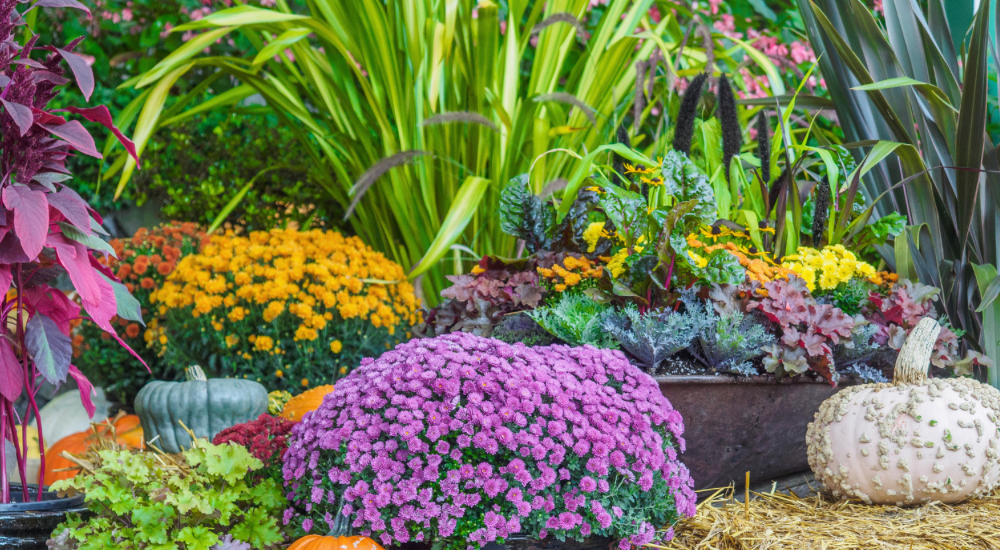 4. Refresh Garden Beds and Borders with Colourful Accents
An established garden does not need to be replanted from edge to edge to feel renewed. Often, one or two strategic additions are enough to change the mood. By late summer, some early-blooming perennials have finished flowering, annuals may be tired, and small gaps can appear. Autumn is an opportunity to use those openings creatively.
Start by looking for visual weak points: bare patches, faded annuals, empty corners, or stretches of border where everything is the same height and texture. Then add plants that solve a specific problem. A mound of mums can restore colour. An ornamental grass can add height and movement. Heuchera or ornamental kale can provide foliage where flowers are not needed. Aster-like blooms can bring a cooler purple or blue note into a warm palette.
Repetition is one of the simplest ways to make these updates look intentional. Instead of scattering five different plants in five different colours, repeat a limited palette in several locations. If burnt orange appears near the front walk, repeat it farther into the bed. If burgundy foliage is already present in a shrub, echo that colour in a container or seasonal flower. Repetition acts like a visual thread, pulling separate parts of the landscape together.
Layering also matters. Place lower plants toward the front of a border, medium-height flowering plants through the middle, and grasses or taller structural elements where they can rise behind the rest. Contrast fine textures with broad leaves and rounded forms with upright ones. Autumn gardens become particularly interesting when texture is treated as seriously as colour.
You can add decorative accents, but they should support the planting rather than compete with it. A few pumpkins nestled near the edge of a bed can reinforce the season. An aged basket or simple natural element can create a focal point. The garden should still lead the composition.
It is also worth doing a modest cleanup before adding anything new. Remove badly faded annuals, trim damaged foliage where appropriate, pull weeds, and redefine bed edges if they have become soft or overgrown. A fresh layer of mulch can sharpen the contrast between plants and soil while giving the bed a finished appearance. These small maintenance steps make new colour look even more vibrant.
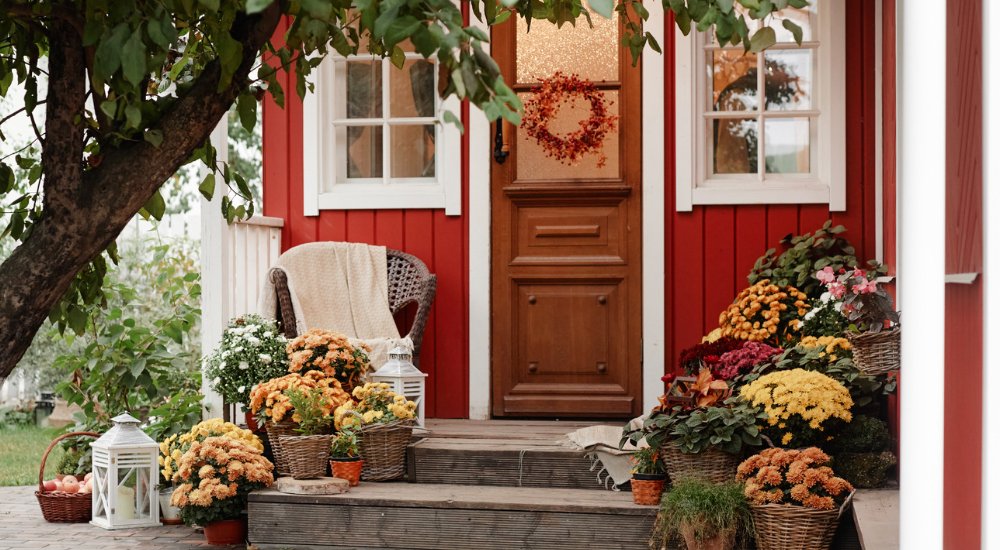 5. Style Porches and Patios for an Autumn Welcome
The landscape does not stop at the garden bed. Porches, patios, steps, and seating areas are extensions of the outdoor environment, and autumn gives them a chance to feel especially warm and inviting. The most successful seasonal styling borrows colours and materials from the surrounding garden so the transition from planted space to furnished space feels natural.
Start with plants. A pair of seasonal containers can frame the front door, while a smaller grouping can soften a patio corner. Use foliage and flowers that repeat colours already visible in nearby beds. If the landscape is filled with golden grasses and burgundy leaves, carrying those colours onto the porch creates harmony.
Then add a few seasonal accents. Pumpkins and gourds are classics because their forms are simple and their colours blend naturally with fall foliage. Mix sizes and shapes rather than lining up identical pieces. A wreath made from leaves, grasses, seed heads, or other natural materials can bring texture to the door. Lanterns can add structure and a warm evening glow, particularly as daylight fades earlier.
Outdoor textiles can make seating areas feel more comfortable, but choose items intended for outdoor use and protect them from prolonged wet weather. A cushion, throw-style outdoor textile, or textured mat can introduce warmth without overwhelming the space. Materials such as wood, woven fibres, metal, and terracotta tend to pair naturally with autumn plants.
Restraint is what keeps seasonal décor feeling connected to the landscape. Not every surface needs an accent. Choose one or two focal areas and let the rest of the space provide breathing room. A generous planter, a cluster of pumpkins, and one wreath may have more impact than a porch crowded with unrelated pieces.
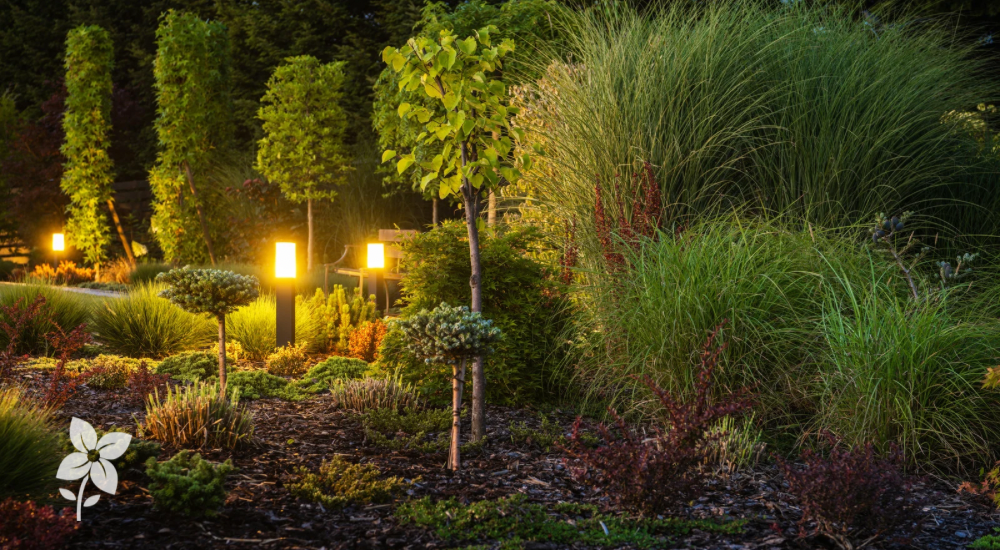
Picture the effect at dusk: bronze grasses moving beside the steps, mums glowing under a porch light, a few pumpkins gathered near the doorway, and lantern light reflecting off rich foliage. The entrance feels warm before anyone has even crossed the threshold.
Small Changes, Big Autumn Impact
Seasonal transformation is often more about editing than rebuilding. A complete landscape makeover can be expensive, disruptive, and unnecessary when the goal is to bring fresh energy to the yard for autumn. A few well-placed plants, one strong container grouping, or a refreshed entry can redirect attention and make an established landscape feel newly considered.
Choose one area where seasonal colour will be seen and enjoyed every day. For many homes, that might be the path to the front door. For others, it may be the patio outside the kitchen, a garden bed viewed from the living room, or the corner where family and friends gather outdoors. Improve that space first rather than spreading small changes too thinly across the entire property.
Once the focal area is established, repeat one or two colours or textures elsewhere. A burgundy mum near the door can be echoed by dark foliage in a patio container. A golden grass in the border can relate to dried grasses in a wreath. These repeated notes create rhythm, helping separate areas of the yard feel as though they belong to the same seasonal composition.
Autumn is particularly suited to this layered approach because the landscape is already changing. Permanent plants are shifting colour, seed heads are becoming more visible, and lower light intensifies warm tones. The goal is not to cover that natural transition, but to frame it.
Give Your Landscape a Final Flourish
By the time autumn settles in, a landscape can feel richer than it did at midsummer. Mums and cool-weather flowers bring concentrated colour, containers create flexible focal points, trees and shrubs supply lasting seasonal structure, refreshed borders restore rhythm, and thoughtfully styled porches extend the garden right to the door. Each layer contributes something different, yet together they create a landscape that feels full, warm, and alive.
The beauty of the season lies in its ability to reward small gestures. One vivid planting near a walkway, one berry-covered shrub catching the afternoon light, or one cluster of containers beside the front steps can change how the entire property feels. Autumn does not need excess; it needs intention. Once your landscape is glowing with fall colour, keep the momentum going with essential October gardening in Edmonton tasks—from pruning and mulching to preparing your soil—so your garden is ready to greet spring with renewed life.
Visit Salisbury Greenhouse for fall flowers, containers, trees, shrubs, seasonal décor, and expert advice to help bring your autumn landscape to life. Use these fall landscaping ideas as a reason to look at your yard with fresh eyes, choose the places where colour and texture will matter most, and give the season room to perform. Let the leaves glow, let the grasses move, and let the entrance feel generous and inviting. Why let summer have all the colour?