The Quiet Work Behind a Great Harvest
Growing potatoes in the middle of summer feels a little like tending a secret: above ground, the plants stand tall with leafy confidence, while below the soil, the real work is quietly underway. Those green stems and broad leaves may look like the whole story, but they are only the curtain. Beneath them, tubers are forming, swelling, and storing energy in the cool darkness. The thrill of planting has passed, the rows have settled in, and the garden has moved from promise into production. This is the stage where a potato crop is shaped not by dramatic gestures, but by steady, thoughtful care.
Mid-season potato care is the quiet bridge between planting day and harvest day. It is where good intentions become good yields. A gardener who pays attention now can help prevent green tubers, reduce stress, encourage stronger underground growth, and spot trouble before it steals momentum from the crop. Potatoes do not ask for constant fussing, but they do reward consistency. A little soil pulled up here, a deep watering there, a careful look beneath the leaves—these small acts become part of the harvest long before a fork ever touches the soil.
Why Mid-Season Matters for Growing Potatoes
Potatoes are generous plants, but they are not in a hurry. They spend the early part of the season building strong foliage, gathering sunlight, and creating the energy they will later send below ground. As the season moves forward, the plant begins shifting more attention to tuber development. This transition is easy to miss because it happens out of sight. The leaves may still be reaching upward, but beneath the surface, the plant is beginning to invest in its real treasure.
This is why mid-season care matters so much. A potato plant under stress may still look alive, but its underground crop can suffer. Uneven watering, exposed tubers, excess nitrogen, heavy pest pressure, or compacted soil can all affect the size, shape, and quality of the final harvest. The goal is not to interfere every day. It is to create the right conditions so the plant can do what it is naturally built to do.
Gardeners in shorter growing seasons, including many parts of Alberta and other Canadian climates, often feel extra pressure to make the most of every warm week. Mid-season care helps stretch the value of that short window. When you hill properly, water consistently, and watch the leaves closely, you are not just maintaining plants. You are protecting time, energy, and potential.
The best approach is steady rather than frantic. Potatoes do not need a gardener hovering over them like a worried stage manager. They need soil that supports them, moisture that does not swing wildly from dry to drenched, and foliage that stays healthy enough to keep feeding the crop below.
 Hilling Potatoes: Building a Protective Blanket
Hilling is one of the most important potato maintenance tasks, and it is also one of the most satisfying. There is something deeply practical and old-fashioned about drawing loose soil around the base of a plant, as though you are tucking the crop in beneath a protective blanket. The gesture is simple, but the purpose is powerful.
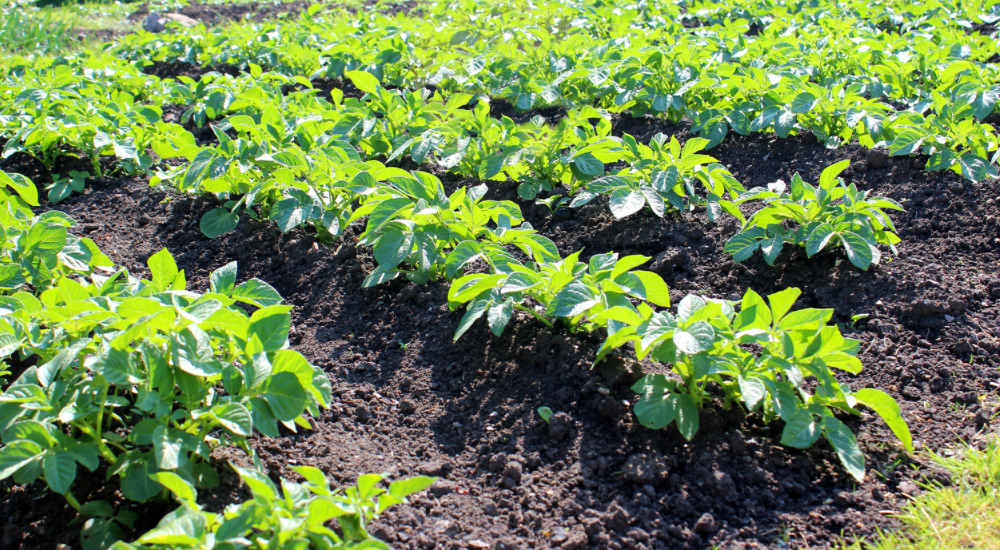
Hilling means pulling soil up around the lower stems of potato plants as they grow. This helps cover developing tubers, keeps them protected from sunlight, and gives the plant more loose soil in which to form potatoes. Sunlight exposure can cause potatoes to turn green, which indicates the presence of chlorophyll and often higher levels of solanine. Green potatoes should not be eaten, so prevention matters.
For gardeners wondering how to hill potatoes, the process is straightforward: once plants are about 6 to 8 inches tall, gently mound loose soil, compost, or a suitable soil mix around the stems, leaving the upper leaves exposed. The goal is not to bury the whole plant, but to cover the lower portion and create a soft ridge. As the plants continue to grow, indeterminate varieties benefit from additional hilling throughout the season, while determinate varieties generally require less once the initial hill has been established.
In raised beds, hilling may mean pulling soil from the pathways or adding compost-rich material from another source. In containers or grow bags, it may mean adding more soil mix as the plant gains height. The same principle applies: keep the developing crop covered, protected, and supported.
Do not pack the soil tightly. Potatoes prefer loose, workable soil where tubers can expand without fighting for room. Think of hilling as shelter, not cement. A good hill should shield the crop while still allowing air, water, and roots to move through the soil.
 Watering Wisely: Keeping Growth Steady Beneath the Surface
While the leaves gather sunlight above, the potatoes beneath the soil depend on steady moisture to swell properly. Watering is not glamorous, but it is one of the great quiet forces of a successful crop. Too little water can stall growth, stress the plant, and lead to smaller tubers. Too much water can suffocate roots, encourage rot, and create soggy conditions that potatoes deeply dislike.
The key is consistency. Potato plants generally perform best when the soil stays evenly moist, especially during tuber formation. The exact amount of water depends on weather, soil type, container size, and rainfall, but the goal is to avoid dramatic swings. A plant that goes from bone dry to drenched and back again has to spend too much energy coping with stress instead of building a crop.
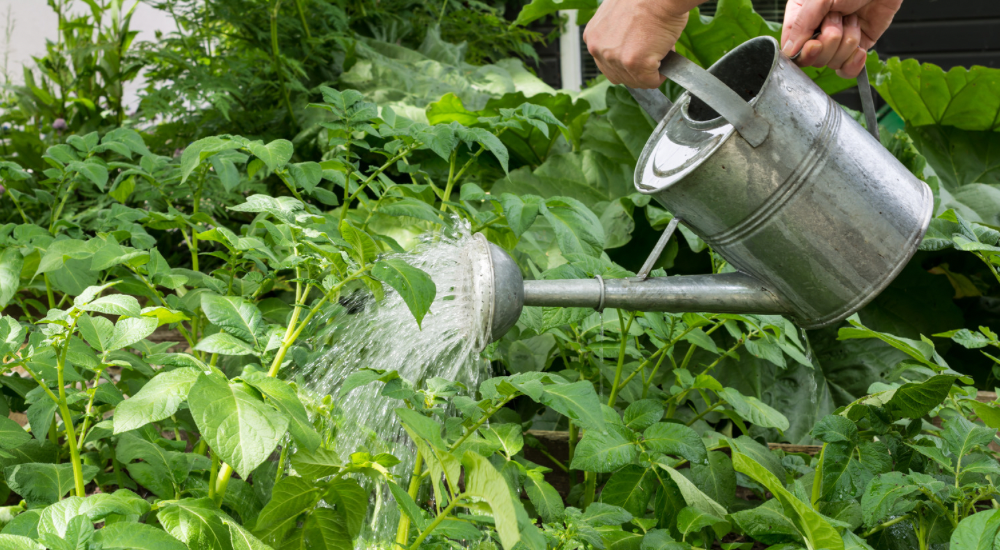
If you are wondering how often to water potatoes, check the soil rather than the calendar. In warm summer weather, garden-grown potatoes may need a deep watering once or twice a week, while containers can dry out faster and may need more frequent attention. Push a finger into the soil a couple of inches down. If it feels dry at that depth, it is time to water deeply.
The best watering is slow and thorough. A quick splash on the surface may make a gardener feel productive, but it does little for roots below. Water at the base of the plants when possible, soaking the soil rather than wetting the foliage. Morning watering is ideal because it gives leaves time to dry if they do get splashed, which can help reduce disease pressure.
Signs of water stress can include wilting during cooler parts of the day, curling leaves, dull foliage, or plants that seem to stop gaining strength. Some wilting during intense afternoon heat can happen even when soil moisture is adequate, so look at the whole picture before reacting. The soil tells the truth more reliably than one tired-looking leaf at 3 p.m.
Feeding Less, Growing More
There comes a point in the potato season when more fertilizer is not more helpful. This can feel counterintuitive, especially for gardeners who want to encourage a bigger harvest. But potato plants are a perfect example of how successful gardening sometimes means stepping back.
Early in the season, potatoes benefit from fertile soil and balanced nutrition. They need enough nutrients to establish roots, grow foliage, and build the energy system that will feed the tubers. But once the plants are well established and tuber development is underway, heavy feeding—especially with nitrogen-rich fertilizer—can push the plant in the wrong direction.
Excess nitrogen encourages leafy growth. That may look impressive above ground, but the goal is not to grow a potato jungle. The goal is to grow potatoes. Too much lush foliage can come at the expense of tuber production, leaving gardeners with beautiful plants and disappointing harvests.
At mid-season, focus on supporting the plant rather than forcing it. If you amended the soil well before planting, you may not need much additional feeding. If plants look pale or weak and you know they have not been overwatered, a gentle, balanced approach may help. Avoid sudden heavy applications. Potatoes prefer steady support, not a banquet dropped on their doorstep.
Recognizing the productive phase is part observation and part trust. When plants are strong, flowering or preparing to flower, and growing steadily, they are often doing important work underground. Let them work. Not every plant needs to be pushed. Some need to be left alone with good soil, good moisture, and a gardener wise enough not to overdo it.
 Reading the Leaves: What Your Potato Plants Are Telling You
Potato plants are silent storytellers. They do not shout, but they do signal. Their leaves, stems, posture, and color offer clues about what is happening in the garden. Learning to read those clues is one of the most useful skills a vegetable gardener can develop.
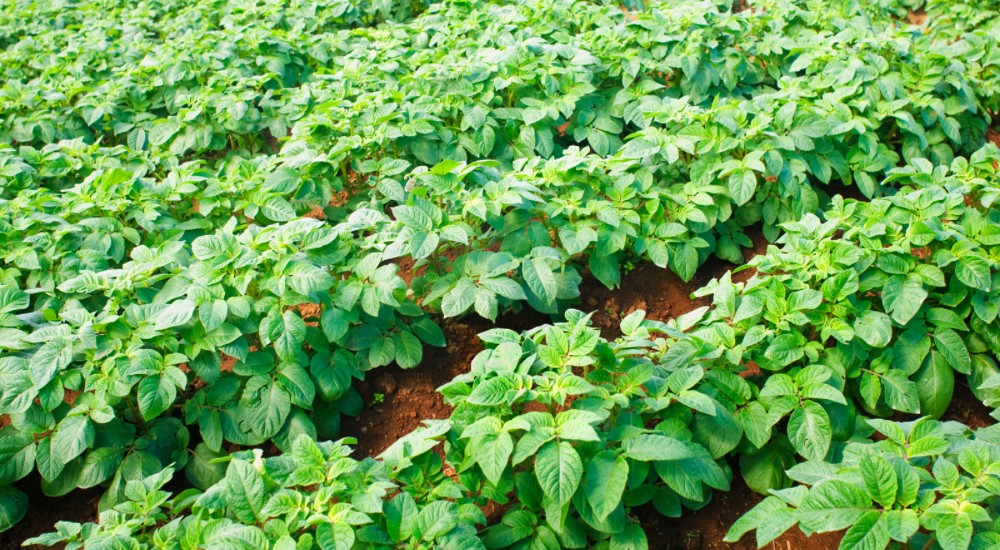
Healthy potato foliage is usually full, green, and upright, with stems that feel sturdy and leaves that have good color. Some natural variation is normal depending on variety, weather, and stage of growth. But sudden changes deserve attention. Yellowing leaves can point to several possibilities, including inconsistent watering, nutrient issues, compacted soil, natural aging, or disease. The pattern matters. Lower leaves yellowing gradually late in the season may be normal. Widespread yellowing in mid-season may suggest stress.
Heat stress often appears as wilting, curling, or tired-looking foliage during hot afternoons. In many cases, plants recover in the evening as temperatures drop. If they do not recover, or if the soil is dry, they may need water. Mulching around the base of plants can help moderate soil temperature and conserve moisture, especially in exposed gardens or containers that heat quickly.
Disease can show up as spots, lesions, darkened stems, unusual yellowing, or foliage that collapses suddenly. Do not ignore leaves that look dramatically different from the rest of the plant. Remove clearly diseased foliage only when appropriate, avoid working among wet plants, and keep airflow in mind. Crowded, damp foliage is an invitation to trouble.
The point is not to panic at every imperfect leaf. Gardens are living places, not showroom floors. A few blemishes are normal. What matters is noticing patterns early, responding thoughtfully, and preventing small problems from becoming crop-wide setbacks.
 Watching for Pests Before They Become Problems
A potato crop is a hidden treasure, and pest monitoring is part of guarding it. Because the harvest develops underground, gardeners sometimes focus only on the soil and forget that leaf damage above ground can weaken the plant’s ability to feed the tubers below. Healthy foliage is the solar panel of the crop. Protect it.
Common potato pests may include Colorado potato beetles, aphids, flea beetles, leafhoppers, cutworms, and wireworms, depending on the region and growing conditions. Not every garden will see every pest, but regular inspection is still worthwhile. Look under leaves, along stems, and near the soil line. Many problems are easier to manage when caught early.
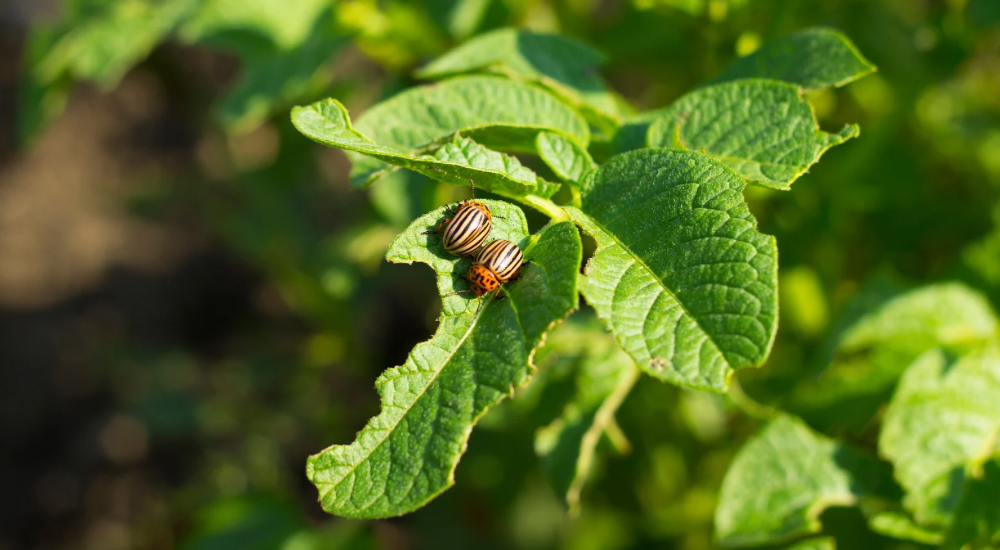
Colorado potato beetles, where present, can chew leaves quickly and may appear as striped adults or soft-bodied larvae. Aphids often cluster on new growth or undersides of leaves and may cause curling or sticky residue. Flea beetles can leave tiny shot-hole damage in foliage. Wireworms are more often noticed at harvest, when they leave holes in tubers, but prevention begins with healthy soil practices and awareness of past garden history.
Natural and preventative approaches begin with observation. Hand-picking larger pests, encouraging beneficial insects, rotating potato crops from year to year, cleaning up plant debris, and avoiding unnecessary stress can all help. Floating row cover may be useful earlier in the season in some gardens, though it needs to be managed properly once plants grow and temperatures rise.
Avoid reaching for the strongest control at the first sign of a nibble. A few holes do not always mean disaster. The goal is balance: protect the crop, preserve beneficial life, and act before pest pressure becomes severe. A gardener with a careful eye can often do more good than a gardener with a heavy hand.
 Patience Beneath the Surface: Trusting the Process
Potatoes test a gardener’s patience because so much of the reward is hidden. Tomatoes blush, beans dangle, cucumbers swell in plain sight. Potatoes keep their progress underground like a secret tucked into the dark. That mystery is part of their charm, but it can also tempt gardeners to dig around and check too soon.
Resist the urge to disturb the hills. Digging around the base of the plants can damage developing tubers, break roots, expose potatoes to light, and interrupt the plant’s work. If the foliage is healthy and growing steadily, trust that something is happening below. The plant does not need constant proof of progress from you. It needs time.
This is one of the most important lessons in how to grow potatoes: support the conditions, then let the plant complete its work. Hilling, watering, monitoring, and restraint all serve the same purpose. They create a stable environment where tubers can develop without unnecessary stress.
Patience does not mean neglect. It means watching without meddling. It means understanding that not all garden work looks active. Sometimes the best thing you can do is keep the soil moist, keep the hills covered, remove a pest, note a change in the leaves, and then step back.
As the season progresses, the plants will eventually begin to slow down. Foliage may yellow and die back as the crop matures. That is not always failure; often, it is the plant finishing its work. Timing the harvest depends on whether you want new potatoes or storage potatoes, but mid-season is mostly about keeping the plant strong enough to reach that final stage. As your potato patch settles into its mid-season stride, it also opens the door to reimagining nearby corners of your outdoor space—especially those smaller areas that can be transformed with clever layouts, vertical planting, and container designs that make every inch feel intentional and alive.
Preparing for the Reward Ahead
There is a special kind of faith in growing potatoes, because the harvest forms where you cannot see it, beneath ridges of soil and summer leaves. Every hill you build, every deep watering you give, every pest you catch early, and every moment of restraint helps shape the crop waiting below. Mid-season care is not flashy, but it is powerful. It is the quiet choreography of soil, water, foliage, and patience. Stay attentive, stay steady, and let the plants finish their hidden work. When the time finally comes to lift the soil and uncover what has been forming all season, the reward will feel less like a surprise and more like a promise kept.
Whether you’re growing potatoes in the ground, containers, or raised beds, our team is here to help. Stop by Salisbury Greenhouse for soil, fertilizers, and expert advice for a successful harvest. Once your potatoes are steadily growing and your beds are in rhythm, it’s the perfect moment to step back and notice where the garden still feels unfinished—then explore simple ways to fill those open spaces with colour, texture, and layered beauty that carry the whole landscape forward.