Heat stress in plants often begins quietly, long before a garden looks truly troubled. In Alberta, summer does not always arrive with a single grand entrance. It comes in shimmering waves: one hot afternoon, one dry wind, one stretch of blazing sky that leaves rich soil parched and makes even the toughest blooms bow their heads. The garden that looked fresh and full in the morning can seem weary by late afternoon, as though the day has pressed a warm hand against every leaf, petal, and stem.
There is a particular feeling to those first hot weeks. The air thickens. The lawn loses its spring softness. Containers seem to dry almost as soon as they are watered. Flowers that once stood bright and upright begin to lean toward shade, and vegetable leaves fold inward like hands closing around a secret. Warm wind moves through the yard, but instead of relief, it carries more heat, tugging moisture from foliage and soil.
A garden speaks before it suffers. It whispers through drooping leaves, pale petals, crisp edges, and soil that pulls away from the sides of a pot. These are not failures. They are signals. They are the garden asking for a shift in rhythm. Summer gardening is not about forcing plants to endure difficult conditions without help. It is about learning how to notice, adjust, and respond before stress becomes decline.
That attentiveness matters because heat rarely affects a garden all at once. It builds gradually. A hanging basket dries faster each day. A newly planted shrub wilts at noon, then recovers at night, then struggles again the next afternoon. A vegetable bed that was thriving in June may suddenly seem tired when July stretches hot and dry. The difference between a garden that fades and one that flourishes often comes down to small, timely choices: deeper watering, better mulch, temporary shade, and a gardener who pays attention.
Early Signs of Heat Stress (The Subtle Signals Beneath the Sunshine)
The first signs of summer heat stress are often easy to overlook because they do not always look dramatic. Plants rarely collapse without warning. More often, they begin with small gestures, like a person squinting into the harsh sunlight or reaching for a glass of water after a long walk. The garden may still look beautiful overall, but certain plants begin to show that the season is asking more of them than they can comfortably give.
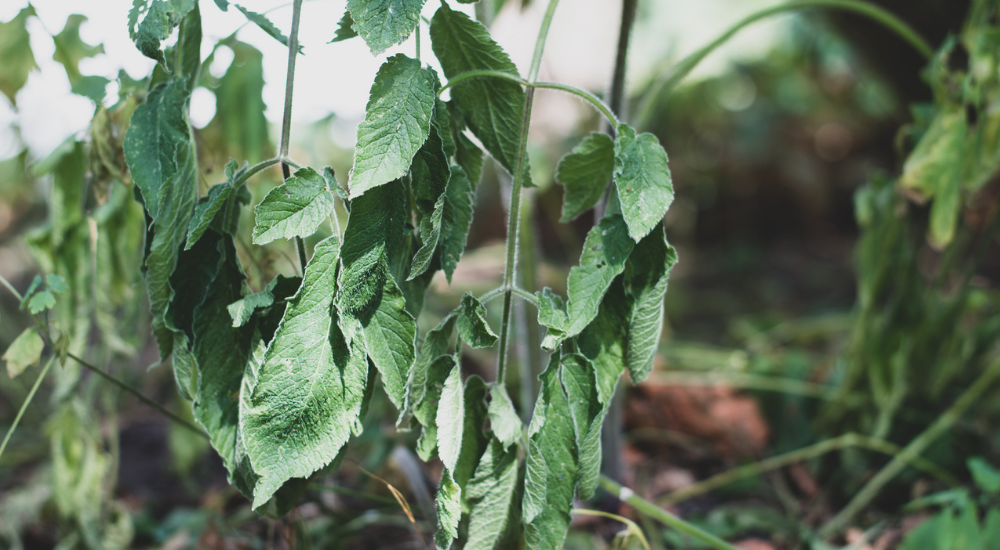 Midday wilting is one of the most common early clues. A plant may look healthy in the morning, then sag by mid-afternoon when sunlight is strongest and temperatures climb. In some cases, this is temporary. Large-leaved plants, newly planted perennials, hydrangeas, cucumbers, squash, and some annuals may droop during intense heat as a protective response. They are losing moisture through their leaves faster than their roots can replace it. If they perk back up in the evening or early morning, the plant is still coping. If wilting continues overnight, the stress has gone deeper.
Leaf curling is another signal worth noticing. Leaves may roll inward, cup upward, or twist slightly as the plant tries to reduce the surface area exposed to sun and wind. It is a small act of self-preservation. Instead of leaving every inch open to the heat, the plant narrows its exposure. Curling can happen on vegetables, hanging baskets, young shrubs, and tender annuals when moisture is limited or sunlight is too harsh.
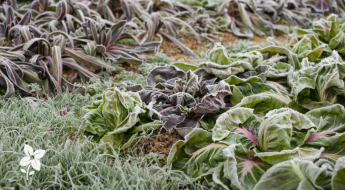
Scorched leaves tell a sharper story. Brown, crispy edges, bleached patches, or papery spots can appear when foliage is hit with intense sun, hot wind, or reflected heat from patios, fences, driveways, and house siding. This is especially common in exposed front yards, south-facing spaces, and containers placed against hard surfaces. The plant may not be dying, but the damaged tissue will not turn green again. The goal is to prevent the next leaves from suffering the same fate.
Bloom decline can also reveal heat stress before leaves do. Flowers may fade faster than usual, lose their rich colour, drop petals early, or stop producing new buds. Some annuals and perennials slow down during extreme heat, choosing survival over show. A plant that was covered in colour one week may suddenly look washed out and sparse the next. That does not always mean the season is over. It may mean the plant needs steadier moisture, lighter pruning, or a brief break from the harshest conditions.
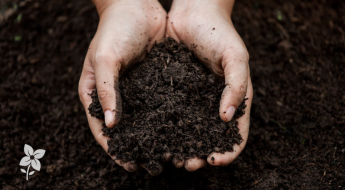
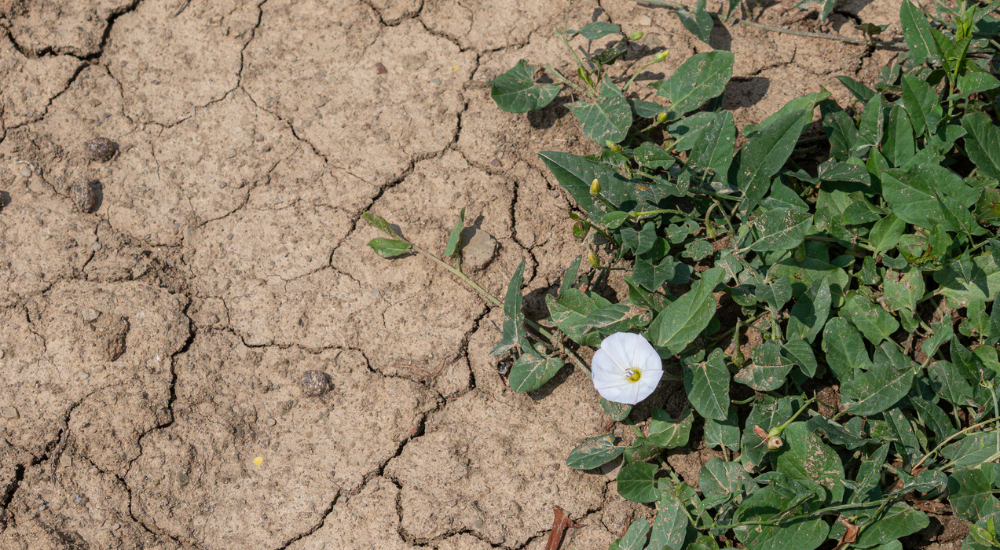 Soil conditions provide their own warnings. Dry, cracked, compacted soil is a sign that water is not moving evenly through the root zone. When soil becomes too dry, it can repel water at first, causing moisture to run off instead of soaking in. In garden beds, this can leave roots thirsty even after a quick watering. In containers, dry soil may shrink away from the edges of the pot, creating channels where water slips straight down the sides and out the drainage holes.
Container plants show stress quickly because they have so little room for error. A garden bed holds a larger reservoir of soil, but a pot is a small world with limited moisture. On hot days, especially in wind or full sun, containers can go from comfortable to parched in hours. Hanging baskets are even more vulnerable because air moves around them from every side, drying them from above, below, and all around.
Learning to recognize these early signs turns a gardener from a rescuer into a steward. Instead of waiting for yellowing leaves, crispy stems, or stalled growth, you begin to catch the garden at the whisper stage.
Watering Wisely in the Heat (Deep Drinks, Not Daily Sprinkles)
Watering during summer heat is less about frequency and more about depth. A quick sprinkle may make the surface look refreshed, but it often does little for the roots below. Plants need moisture where their roots are growing, not just a damp sheen across the top of the soil. This is where good garden watering tips become less about routine and more about relationships.
Deep watering encourages roots to search downward. Imagine roots as explorers, following moisture through the soil. When water only wets the surface, roots stay shallow, clustering near the top where heat dries the soil first. Shallow roots make plants more vulnerable because they depend on constant surface moisture. When water soaks more deeply, roots are invited to grow down into cooler, steadier soil. That deeper root system becomes the plant’s anchor during hot weather.
For in-ground garden beds, it is usually better to water thoroughly and less often than to give a light watering every day. The exact timing depends on soil type, plant type, exposure, and weather, but the principle remains the same: water should soak into the root zone. Clay soils may hold moisture longer but absorb water more slowly. Sandy or fast-draining soils may need more frequent attention. Newly planted flowers, vegetables, perennials, trees, and shrubs need closer monitoring because their roots have not yet spread into the surrounding soil.
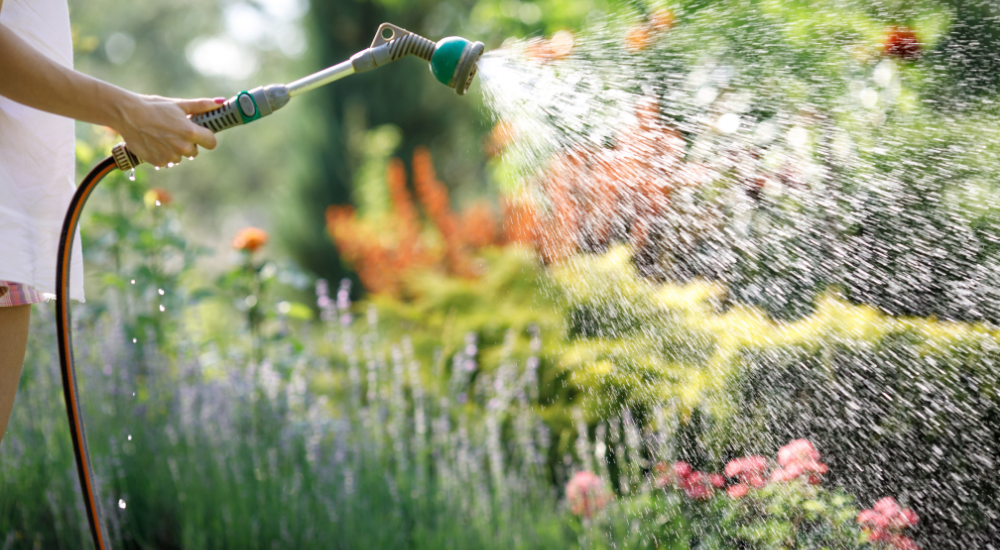 Early morning is the best time to water during hot weather. The air is cooler, the sun is gentler, and plants have time to take up moisture before the heat of the day arrives. Morning watering also allows foliage to dry, which can help reduce disease pressure compared to watering late in the evening. Watering in the afternoon is not forbidden, especially if a plant is genuinely struggling, but it can be less efficient because more moisture is lost to evaporation.
Water at the base of plants whenever possible. Leaves do not drink the way roots do. A shower over the foliage may look refreshing, but the plant needs water in the soil. Directing water to the root zone also keeps blooms looking better and helps reduce splash-related disease issues. For vegetable gardens, soaker hoses, drip irrigation, or a slow hose at the base of plants can make summer watering more effective and less wasteful.
Containers need their own rhythm. In hot weather, especially with full sun and wind, some pots may need daily watering. Large containers hold moisture longer than small pots, but even they should be checked regularly. The finger test remains one of the simplest tools: press your finger an inch or two into the soil. If it feels dry at that depth, it is time to water. For large containers, check deeper if you can, because the top may dry while the lower soil still holds moisture.
Overwatering can be just as harmful as underwatering. Roots need oxygen as well as moisture. Constantly soggy soil can be just as damaging as dry soil, especially for plants that dislike wet feet. The goal is even moisture, not mud. During heat waves, the gardener’s job is to keep plants from swinging wildly between bone-dry and waterlogged.
One of the best summer gardening tips is to water with intention, then observe the response. If a plant perks up by morning, you caught it in time. If it continues to wilt despite moist soil, the issue may be heat exposure, root damage, transplant shock, wind, or a pot that has become too hot. Water is essential, but it is not the only tool.
Protecting Plants from Harsh Conditions (Shelter from the Afternoon Blaze)
Sunlight is life, but in the hardest part of summer, too much of it can feel less like nourishment and more like pressure. The afternoon blaze is especially intense, arriving after the soil has already warmed and plants have already spent hours releasing moisture through their leaves. When heat, wind, and bright sun combine, even sun-loving plants can begin to struggle.
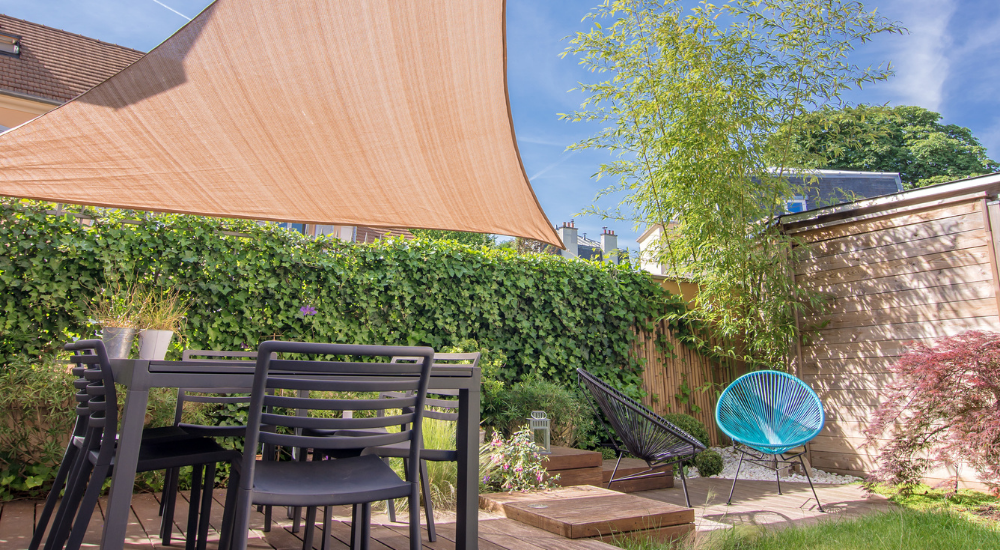 Temporary shade can make an enormous difference. Shade cloth, patio umbrellas, lattice panels, overturned crates, or even a light fabric cover supported above plants can reduce stress during extreme afternoons. The goal is not to plunge sun-loving plants into darkness. It is to soften the harshest hours. A little filtered shade from mid-afternoon onward can help tender annuals, young vegetables, newly planted perennials, and recently installed shrubs hold their strength.
New plantings deserve special attention. A plant fresh from a greenhouse or garden centre may be healthy and vigorous, but it still needs time to adjust to its new home. Its roots are limited to the original root ball until they begin growing outward. During hot spells, that small root zone dries quickly. Providing temporary shade for new plants can reduce transplant stress and give roots time to settle.
Mulch is one of the simplest and most effective forms of protection in the summer garden. Think of it as a breathable blanket over the soil. A layer of shredded bark, wood mulch, straw, compost, or other suitable mulch helps slow evaporation, moderate soil temperature, reduce crusting, and limit weed competition. Mulch does not replace watering, but it helps each watering last longer. In flower beds, shrub borders, vegetable gardens, and around young trees, mulch can be the difference between soil that bakes and soil that breathes.
Keep mulch a few inches away from stems, crowns, and tree trunks. Piling it directly against plant tissue can trap moisture where it does not belong and invite rot or pest issues. Spread it evenly over the soil surface instead, like a calm, protective layer.
Wind protection is just as important as sun protection, especially when gardening in Alberta summer heat. Warm winds can pull moisture from leaves and soil with surprising speed. A plant in a windy location may dry faster than one in hotter but calmer conditions. Temporary windbreaks, such as garden screens, burlap panels, patio furniture, grouped containers, or strategic placement near fences and shrubs, can help reduce moisture loss. Even a modest barrier can turn a harsh corner into a more forgiving microclimate.
Prioritize sensitive plants when the weather turns extreme. Newly planted trees and shrubs, hanging baskets, small containers, leafy vegetables, hydrangeas, young perennials, and plants in reflected heat zones should be checked first. Established drought-tolerant perennials and deeply rooted shrubs may cope with less intervention, while shallow-rooted or recently planted specimens may need daily attention. A garden is a community, but not every member needs the same care at the same moment!
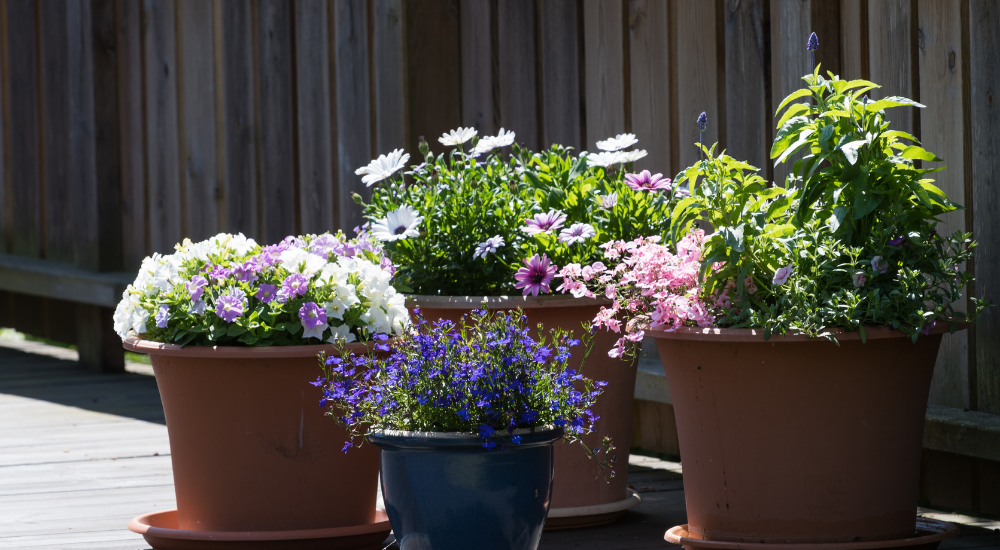 Containers Need Extra Attention (When Pots Become Tiny Deserts)
Containers are beautiful because they bring colour close. They frame doorways, brighten patios, soften decks, and let gardeners create lush little worlds in places where garden beds may not exist. But in summer heat, those little worlds can become tiny deserts.
A pot sitting in full afternoon sun can heat quickly, especially if it is small, dark-coloured, or placed on concrete, stone, wood decking, or asphalt. Hard surfaces absorb heat during the day and radiate it back toward the container. The soil warms, the roots heat up, and moisture disappears. A planter that looked lively at breakfast can look exhausted by dinner.
Daily moisture checks are essential during hot spells. This does not always mean watering every container every day, but it does mean looking closely. Feel the soil. Lift the pot if it is small enough; dry containers are noticeably lighter. Watch for drooping stems, crispy bloom edges, dull foliage, and soil pulling away from the pot. These are the container’s warning bells.
Smaller pots dry faster because they hold less soil. Hanging baskets dry faster because they are exposed to air movement on all sides. Tall, narrow pots may dry unevenly. Containers crowded with mature plants may need more water because roots have filled much of the available space. By midsummer, that lush planter you loved in June has become a thirsty little jungle, with every leaf drawing from the same limited reservoir.
Signs of overheating containers can include persistent wilting, scorched foliage on the sun-facing side, blooms that collapse quickly, and plants that seem thirsty even after regular watering. Sometimes the issue is not simply a lack of water, but heat around the root zone. Roots prefer a more stable environment than leaves. When the pot itself becomes hot, the plant may struggle even if moisture is present.
Placement can solve many container problems. Move sensitive pots out of the strongest afternoon sun if possible. Morning sun with afternoon shade is often ideal for many mixed planters, especially during extreme heat. Grouping containers together can create a slightly cooler, more humid pocket. Placing pots where they receive protection from wind can also reduce moisture loss. If a container cannot be moved, temporary shade during the hottest hours can still help.
Choosing the right container also matters. Larger pots hold moisture better and provide more room for roots. Quality potting mix helps balance drainage and moisture retention. Containers must have drainage holes, but they should not dry so quickly that plants are constantly stressed. In very exposed locations, consider using larger planters, moisture-retentive potting mix, and plants that are naturally more tolerant of heat and dry conditions.
A container garden asks for a closer relationship. It cannot reach deep into the earth for reserves. It depends on the gardener to notice the small shifts: the lighter pot, the drooping petunia, the basil that wilts at the edges, the basket that no longer springs back by evening. With consistent care, containers can remain generous and glowing even through the hottest weeks.
 Small Changes, Stronger Gardens
A summer garden does not need perfect weather to be beautiful. It needs attention, adaptation, and care that changes with the season. Heat will come. The soil will dry. Winds will warm up. Flowers will have tired afternoons. But none of these things mean the garden is failing. They mean the garden is alive, responding to the world around it, and asking the gardener to respond in return.
The strongest gardens are not always the ones that never struggle. They are the ones tended by people who notice early, adjust quickly, and understand that small changes can have lasting effects. A deeper watering in the morning, a layer of mulch over exposed soil, a moved container, a bit of temporary shade, or a windbreak in the right place can help plants recover before stress turns into damage.
Summer success comes from observation. Walk the garden when the day is still cool. Look again when the sun is high. Notice which plants recover and which remain tired. Feel the soil before watering. Watch the containers. Learn the hot corners, the windy edges, the beds that dry first, and the plants that ask for extra care. These daily details become the gardener’s map through the season.
With steady attention, heat stress in plants can be managed before it steals the colour, texture, and life from the garden. Even in the fiercest heat, a well-tended garden finds ways to flourish and reward the care it receives.
Need help keeping your garden healthy through the hottest weeks of summer? Visit us at Salisbury Greenhouse for expert advice, quality mulch, watering tools, shade solutions, and heat-tolerant plants that can help your garden thrive all season long.