How to Preserve Vegetables and Make the Most of Your Garden
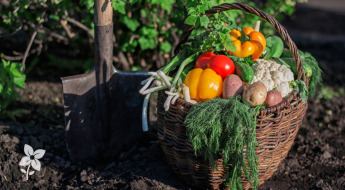
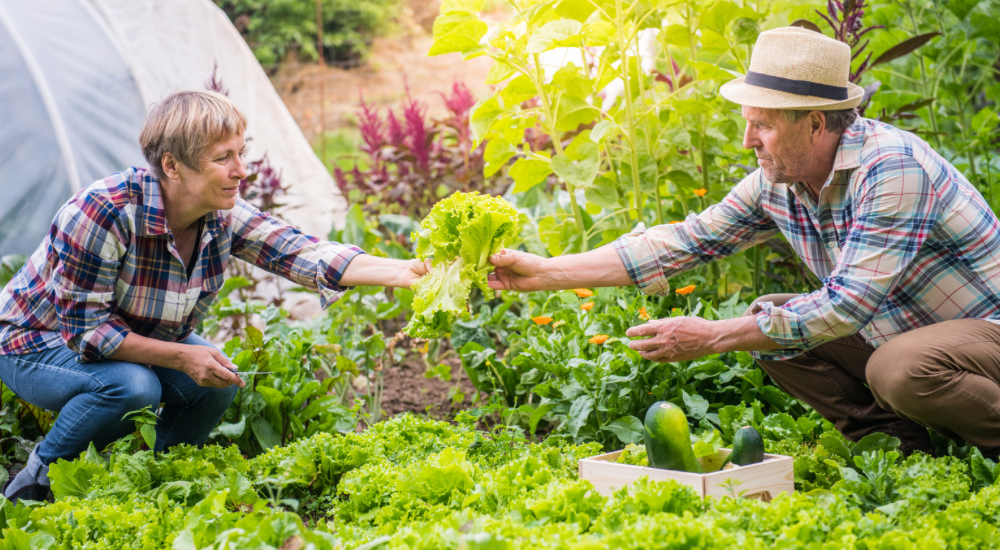
A generous summer harvest can turn a quiet kitchen counter into a colourful collection of ruby-red tomatoes, glossy peppers, curling cucumbers, tender beans, fragrant herbs, and zucchini that seem to double in size overnight. By mid-to-late summer, many gardeners reach the delightful stage when the garden is no longer supplying a few ingredients for dinner; it is delivering armfuls. Baskets fill faster than refrigerators empty, neighbours begin receiving surprise vegetables, and every meal seems to contain something green, red, or freshly picked.
A productive harvest starts with healthy plants, so be sure to learn how to recognize the early signs of summer heat stress and keep your Alberta garden thriving through the hottest days of the season. That abundance is one of the great rewards of growing food, but it can also feel like a race against time. Tomatoes soften, herbs wilt, cucumbers lose their snap, and beans become tough if they are left too long. Fortunately, a productive garden does not have to lead to wasted produce. With a few simple techniques, gardeners can preserve vegetables, organize their bounty, and carry the flavour of warm days into soups, sauces, side dishes, and family meals long after the first frost has arrived.
Vegetable preservation does not need to begin with shelves of specialized equipment or an entire weekend spent in the kitchen. Freezing a bag of beans, stirring together a refrigerator pickle, drying a handful of thyme, or simmering tomatoes into sauce can all create a meaningful difference. Each small effort protects the time, water, care, and patience invested in the garden while turning seasonal abundance into practical ingredients for the months ahead.
 When Your Garden Produces More Than You Can Eat
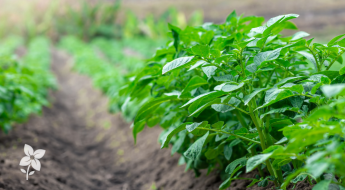
Vegetable gardens often reach their peak in late summer because many warm-season crops respond to long days, accumulated heat, and established root systems with a sudden surge of growth. Tomatoes begin ripening in clusters, beans produce quickly after flowering, zucchini plants send out fruit with astonishing enthusiasm, and cucumbers hide beneath broad leaves until several are ready at once. Herbs also grow rapidly when regularly trimmed, while peppers often begin colouring and sweetening as summer progresses.
Alberta’s short but intense growing season can make this period feel especially dramatic. Spring often begins slowly, with cool soil and variable weather keeping heat-loving plants in check. Once sustained summer warmth arrives, established tomatoes, cucumbers, beans, zucchini, and peppers can shift from patient growth to full production. What looked manageable in July may become an overflowing harvest by August.
Regular harvesting keeps that momentum working in your favour. Beans, cucumbers, zucchini, peas, and many herbs produce more reliably when mature crops are removed often. A zucchini left to become a club-sized monument may be impressive, but picking it while it is smaller and tender encourages the plant to continue producing. The same principle applies to beans and cucumbers: frequent harvesting improves eating quality and prevents plants from directing too much energy into mature seed.
Tomatoes should be picked as they reach their mature colour and feel slightly soft beneath gentle pressure. Harvesting ripe tomatoes lowers the chance of cracking, insect damage, or fruit falling from the vine. Peppers can often be harvested green or left to ripen to their mature colour, depending on the variety and how they will be used.
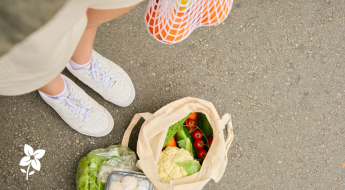
A consistent harvest routine also makes the kitchen workload easier. Instead of facing a mountain of produce every ten days, gather ripe vegetables every day or two during peak production. Sort them as soon as they come indoors. Set aside the best-looking produce for fresh meals, slightly imperfect vegetables for sauces or soups, and anything that needs immediate attention for freezing, pickling, or cooking that day.
Preserving produce reduces waste, but it also creates breathing room. It turns “we need to eat all of this now” into “we can enjoy some tonight and save the rest.” That shift is valuable for busy families, especially when weeks of careful cultivation suddenly result in more food than expected.
Easy Ways to Preserve Garden Vegetables
The best approach for beginners is to start with one method and one crop. Match the preservation technique to how your family already eats. Freeze beans if they often appear in winter soups. Make salsa if taco night is a regular event. Dry oregano if pasta and pizza are household favourites. Preserving is most useful when the finished food naturally fits into everyday meals.
Before beginning, wash your hands, clean preparation surfaces, and inspect the produce carefully. Use vegetables that are fresh, firm, and free from mould or significant decay. Small blemishes can often be trimmed away when vegetables are being cooked or frozen, but spoiled produce should not be preserved.
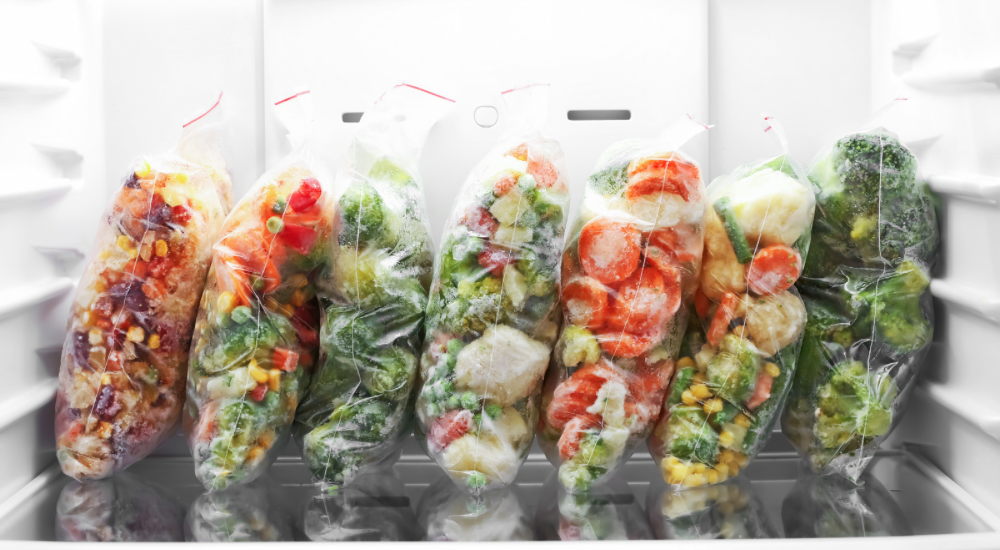 Freezing
Freezing is one of the simplest and most practical ways to save garden produce. It works especially well for beans, peas, broccoli, cauliflower, carrots, corn, spinach, kale, peppers, tomatoes, and shredded zucchini. Some vegetables can be frozen raw, while others maintain better colour, texture, and flavour when blanched first.
Blanching means briefly boiling or steaming vegetables, then cooling them quickly in ice water. This process slows the enzyme activity that can cause frozen vegetables to lose colour, flavour, texture, and nutrient content over time. It also removes surface dirt and reduces the number of microorganisms present on the vegetables.
Beans, broccoli, cauliflower, carrots, peas, and many leafy greens benefit from blanching. Wash and cut the vegetables into usable pieces, then place a small batch into boiling water. Use the blanching time recommended specifically for that vegetable, as the appropriate time varies by crop and piece size.
Once the blanching time is complete, transfer the vegetables immediately into a large bowl of ice water. Cooling should take approximately as long as blanching. Drain the vegetables thoroughly and pat them dry if needed before packing them into freezer-safe bags or containers.
Removing excess air helps prevent freezer burn. Flattening bags before freezing also saves space and allows them to thaw more quickly. Label each package with the vegetable, preparation method, and date. Frozen vegetables are easiest to use when portioned for real meals: one soup-sized bag of carrots, one stir-fry portion of peppers, or one baking portion of shredded zucchini.
For vegetables that may freeze together, spread the prepared pieces on a baking sheet and freeze them in a single layer first. When firm, transfer them to a freezer bag. This allows you to remove only what you need instead of thawing an entire solid block.
Peppers can usually be washed, seeded, chopped, and frozen without blanching. Tomatoes can also be frozen whole for future sauces and soups. Their texture will soften after thawing, so they will not replace fresh tomatoes in a salad, but their flavour remains useful for cooked dishes.
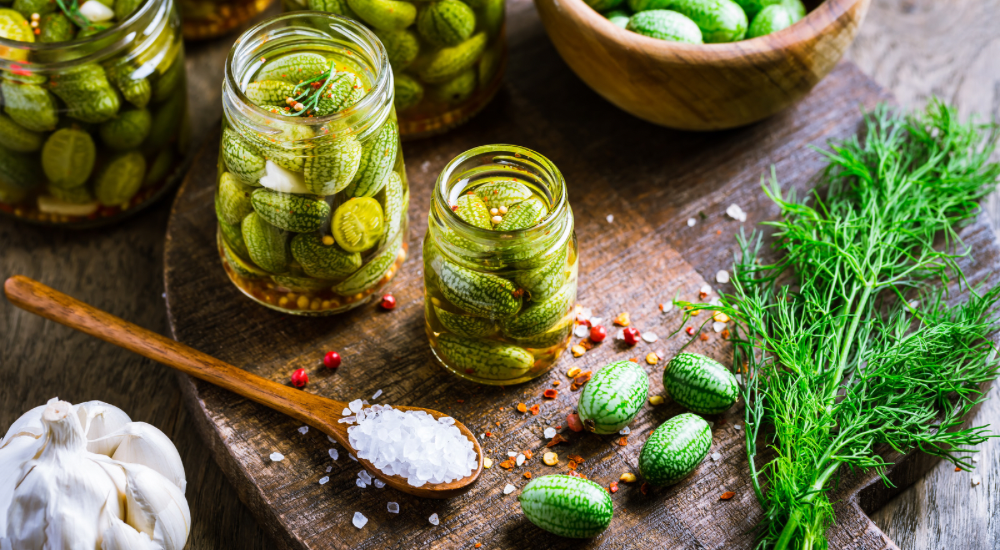 Quick Pickling
Quick pickling is ideal for gardeners who want bright, tangy flavour without a large canning setup. These pickles are stored in the refrigerator rather than on a pantry shelf, which makes the process approachable for beginners. Cucumbers are the common choice, but beans, carrots, radishes, onions, and even thinly sliced zucchini can be quick-pickled.
A basic quick-pickle brine generally combines vinegar, water, salt, and sometimes sugar. Garlic, dill, peppercorns, mustard seeds, chili flakes, or fresh herbs can add character. The vegetables are placed in a clean jar, covered with the brine according to the recipe, cooled, and refrigerated.
Slice cucumbers into rounds or spears, depending on how you plan to serve them. Beans can be trimmed and left whole, while carrots are best cut into thin sticks or coins so they absorb the brine more readily. Radishes can be sliced into bright, crisp rounds that soften slightly in acidity while retaining a pleasant bite.
The result is fresh, lively, and useful. Pickled beans can sharpen a sandwich plate, radishes can brighten tacos, and carrots can add crunch to grain bowls. Quick pickling is especially helpful when the garden produces small amounts of several vegetables at once. A handful of beans, two carrots, and a few radishes may not justify a large project, but together they can become a colourful refrigerator pickle.
Allowing the pickles to rest in the refrigerator gives the flavours time to develop. Some may taste good after several hours, while others improve after a day or two. Keep the vegetables submerged in the brine and use clean utensils when removing them from the jar.
Because quick pickles are not shelf-stable, they must remain refrigerated and should be eaten within the storage period provided by a tested recipe. For pantry canning, always follow a scientifically tested recipe from a trusted food-safety source. Do not alter the proportions of vegetables, vinegar, water, or other ingredients that affect acidity.
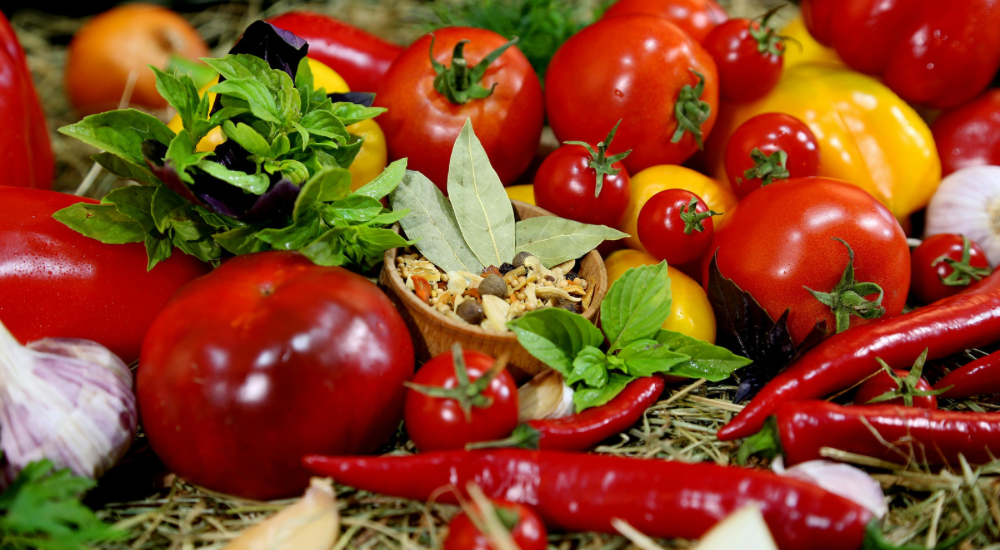 Making Sauces, Salsas, and Relishes
Tomatoes, peppers, onions, garlic, and herbs are natural partners in the kitchen. When the garden produces them together, sauces and condiments become an efficient way to capture several crops in a single batch.
Fresh salsa is perfect for immediate eating. Tomatoes can be combined with chopped peppers, onions, herbs, lime juice, and seasonings for a quick topping for tacos, grilled foods, or tortilla chips. A cooked freezer salsa can also be portioned into small containers for later meals.
Tomatoes simmered with onions, garlic, basil, and oregano can become pasta sauce. Blending the mixture creates a smoother texture, while leaving it chunky produces a rustic sauce with visible pieces of garden vegetables. Cooking the sauce longer allows excess moisture to evaporate and concentrates its flavour.
Pizza sauce can be seasoned simply with garlic and herbs, then frozen in portions sized for one pizza night. Small containers are more practical than one large batch because they allow you to thaw only what you need.
Cucumbers, zucchini, peppers, and onions can also be chopped into relishes that add acidity and texture to burgers, sandwiches, roasted meats, sausages, or grain bowls. Relish is particularly useful for oversized cucumbers or zucchini that may no longer have the tender texture desired for fresh eating.
Sauces are forgiving. Tomatoes that are cracked, irregular, or slightly overripe can still be excellent once damaged portions are removed. Peppers with a small blemish can be cleaned and roasted. Herbs that are beginning to flower can be harvested, washed, and stirred into a simmering pot.
The finished sauce may not display the vegetables’ original shape, but it preserves their flavour and gives imperfect produce a second life. The crooked tomato and overachieving zucchini become kitchen assets rather than compost-bin casualties.
For freezing, cool cooked sauces completely, then portion them into freezer-safe containers. Leave enough headspace for the contents to expand as they freeze. Label each container with the type of sauce and the date it was prepared.
For shelf-stable salsa, tomato sauce, or relish, use a tested canning recipe and follow its acidity and processing instructions exactly. Tomatoes vary in acidity, and adding low-acid vegetables such as onions and peppers changes the safety requirements. Reliable canning instructions are recipes, not creative suggestions.
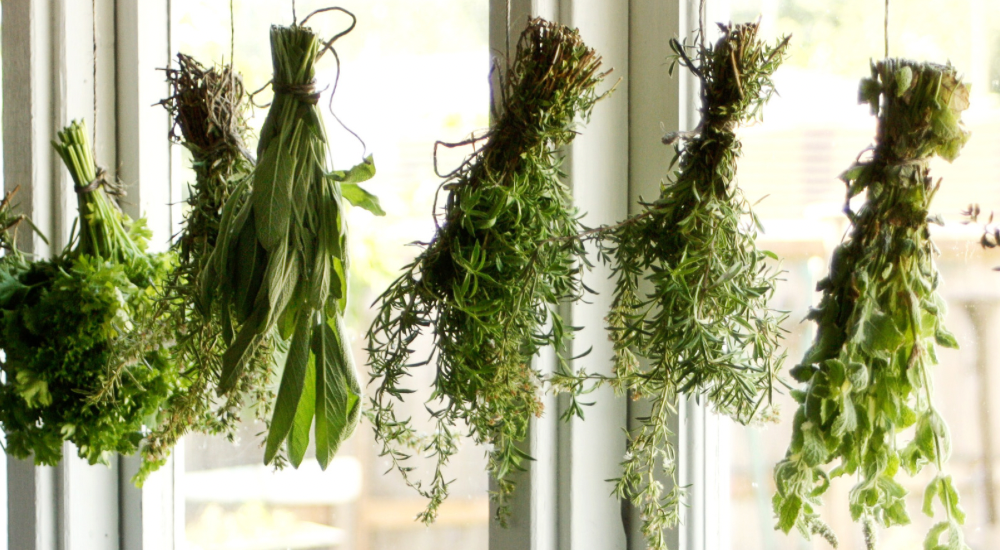 Drying Herbs
Herbs are among the easiest garden crops to preserve, and a small amount can bring summer fragrance to winter cooking. Basil, oregano, thyme, mint, sage, rosemary, and chives can all be saved, although each herb responds differently to drying.
Harvest healthy stems after morning dew has dried but before the hottest part of the day. Herbs are usually most flavourful when harvested before they produce many flowers. Use clean scissors or pruners, and avoid removing more than the plant can replace while it is still actively growing.
Oregano, thyme, mint, sage, and rosemary are well suited to air drying. Remove damaged leaves, shake off insects, and rinse the herbs only if necessary. When rinsed, they must be dried thoroughly before being bundled.
Tie the stems into small bundles and hang them in a warm, dry, well-ventilated place away from direct sunlight. Small bundles dry more evenly than thick ones and are less likely to trap moisture. A paper bag loosely placed around each bundle can catch falling leaves and protect the herbs from dust, but air must still be able to circulate.
Once the leaves are crisp and crumble easily, strip them from the stems and place them in airtight containers. Store the containers away from heat, moisture, and direct light. Keeping the leaves mostly whole until they are needed helps preserve their aroma.
Basil contains more moisture and can darken during slow air drying. A dehydrator set to the recommended temperature for herbs often produces more reliable results. Spread the leaves in a single layer, allowing space for air to move around them.
Basil can also be chopped and frozen in small portions with water or oil for use in cooked dishes. Pack it into ice cube trays, freeze it, and transfer the cubes to a labelled freezer bag. These herb cubes can be added directly to soups, sauces, and sautés.
Mint dries readily and can be saved for tea, desserts, fruit salads, or sauces. Thyme and oregano are useful in pasta, pizza, soups, roasted vegetables, and marinades. Whatever method you choose, label dried herbs with the name and year. Their flavour is brightest during the first year, and opening a jar of garden thyme in January can feel like uncorking a small bottle of July.
What to Do with Extra Tomatoes and Zucchini
Tomatoes and zucchini are the two crops most likely to inspire equal parts pride and panic. One day, there are three. A week later, every bowl in the house has been recruited.
Preserving tomatoes can be as simple as washing them, removing the stems, and freezing them whole. Place the clean, dry tomatoes on a baking sheet until frozen, then move them into freezer bags. When thawed, the skins often slip off easily, making the tomatoes convenient for sauces, soups, curries, and stews.
Roasting is another excellent option. Cut tomatoes into halves or chunks, add garlic or onion if desired, and roast until excess moisture evaporates and the flavour becomes concentrated. The roasted mixture can be eaten immediately, blended into sauce, or cooled and frozen.
Tomatoes also form the backbone of salsa, bruschetta, tomato soup, pasta sauce, pizza sauce, and slow-cooked relishes. Cherry tomatoes can be roasted whole, added to sheet-pan meals, or folded into pasta. Firmer slicing tomatoes can be layered into sandwiches, salads, and savoury tarts.
When tomatoes ripen faster than they can be processed, wash and freeze them for a future sauce-making day. This removes the pressure to cook a large batch immediately and allows the tomatoes to accumulate in the freezer until there are enough for a worthwhile pot of sauce.
Preserving zucchini works best when the final use is considered before it goes into the freezer. Shredded zucchini can be measured into one- or two-cup portions for muffins, quick breads, pancakes, fritters, soups, or casseroles. Label each bag with the amount it contains so you do not have to measure a cold, watery mound after thawing.
Frozen zucchini releases water as it thaws. Drain it when the recipe requires a drier texture, but consider retaining the liquid when adding it to soups, sauces, or stews.
Zucchini can also be sliced or cubed for soups and cooked sauces, although it will soften after freezing. For meals that depend on a firmer texture, enjoy it fresh by grilling planks, roasting cubes, sautéing half-moons, or shaving it into ribbons.
Larger zucchini can be peeled and seeded before shredding. Their size makes them less suitable for delicate grilling, but they remain useful in baking, soup, relish, and casseroles. Hollowed zucchini halves can also be stuffed with rice, ground meat, lentils, herbs, tomato sauce, or cheese and baked.
The goal is not to force every vegetable into the same method. A tender young zucchini belongs on the grill; an oversized one may be destined for muffins. A flawless tomato deserves a sandwich; a cracked one may become the best sauce of the season.
 Garden-to-Table Meals Made Simple
Preservation extends the season, but fresh produce should still have its moment in the spotlight. Garden-to-table cooking is often at its best when it is simple enough to let the vegetables speak for themselves.
Build meals around what is ready rather than treating garden produce as an afterthought. A bowl of tomatoes, cucumbers, herbs, and peppers can become a chopped salad. Beans, carrots, zucchini, and onions can be roasted together and served beside grilled meat, fish, tofu, or lentils.
Fresh tomatoes and basil can top homemade pizza, while sautéed zucchini and herbs can be tossed through pasta with garlic and cheese. Peppers can be roasted and layered into sandwiches, blended into sauces, or filled with grains and vegetables.
Soups are especially useful for cooking from the garden because they welcome variety. A few beans, one zucchini, several tomatoes, and a handful of herbs can become a satisfying vegetable soup without requiring perfect quantities. Minestrone, tomato soup, vegetable chowder, and blended zucchini soup can all absorb a changing assortment of fresh produce.
Sandwiches can be layered with sliced tomatoes, cucumbers, peppers, and herb spreads. Vegetable bowls can combine roasted vegetables, fresh greens, grains, beans, pickled vegetables, and a simple dressing. They are an easy way to use several small harvests in one meal.
Herb butter is another practical way to use abundance. Soften butter and mix in chopped parsley, chives, thyme, basil, or dill. Shape it into a log, chill it, and slice it over corn, potatoes, grilled vegetables, fish, or bread. Extra herb butter can be frozen, turning a handful of herbs into a ready-made flavour booster.
The most enjoyable garden meals often combine fresh and preserved elements: a tomato sandwich with pickled beans, roasted vegetables finished with dried thyme, or homemade pizza topped with fresh peppers and freezer sauce. The garden functions not only as a source of ingredients but also as a quiet partner in meal planning.
Reduce Food Waste While Enjoying More of Your Harvest
A productive vegetable garden can reduce grocery costs, but its true value depends on how much of the harvest is used. Preserving turns surplus vegetables into future ingredients, helping families stretch the benefit of seeds, soil, water, and labour across more meals.
A freezer stocked with chopped peppers, blanched beans, tomato sauce, and shredded zucchini makes meal planning easier. Instead of purchasing the same vegetables in winter, gardeners can reach for food they grew themselves. Dried herbs replace small store-bought packages, quick pickles add interest to simple meals, and frozen sauces shorten dinner preparation on busy evenings.
Preserved ingredients can also reduce the temptation to order takeout or buy costly convenience foods. A container of tomato sauce can become a quick pasta dinner. Frozen vegetables can be added to soup, curry, casseroles, or stir-fries. Shredded zucchini can move from the freezer to a weekend batch of muffins.
Food preservation also protects against the unpredictability of harvest timing. A garden rarely produces according to a tidy weekly menu. It offers what is ripe, when it is ripe. Saving some of that abundance allows families to spread it across the year rather than consuming everything during a few intense weeks.
Small-batch preserving can be highly effective at cutting waste. Gardeners do not have to wait until they have bushels of produce. Four peppers can be chopped and frozen. A handful of herbs can be dried. Several tomatoes can be roasted while dinner is already in the oven. A few cucumbers can become one jar of refrigerator pickles.
Keeping a simple harvest list can also help. Record what has been frozen, dried, or prepared, including quantities and dates. This prevents forgotten packages from disappearing into the back of the freezer and helps gardeners plan future crops. If six bags of frozen beans remain in spring, fewer bean plants may be needed next year. If every jar of dried oregano is used, it may deserve more garden space.
There is satisfaction in this rhythm. Summer provides more than can be eaten; preservation carries the surplus forward. The garden’s work continues after the beds are covered with snow, appearing in a pot of soup, a pan of roasted vegetables, or a jar of dried herbs.
Home gardening becomes more than a seasonal hobby. It becomes a practical, nourishing cycle that connects planning, planting, harvesting, preparing, eating, and sharing. The final reward is not simply the amount of food gathered but the amount enjoyed.
Savour the Harvest Beyond Summer
Every basket carried in from the garden represents months of attention: seeds tucked into soil, seedlings protected from cold, weeds pulled, plants watered, and ripening vegetables watched with patient anticipation. Saving even part of that harvest honours the work behind it. A few freezer bags, a jar of quick pickles, a batch of sauce, or a bundle of drying herbs can preserve both flavour and effort.
Start with one technique that fits your kitchen and schedule. Freeze a few bags of beans, roast a tray of tomatoes, shred zucchini for winter baking, or dry a handful of thyme. Experiment with seasonal recipes, keep notes on what your family enjoys, and allow your methods to grow alongside your gardening skills. Bringing food from seed to plate is one of gardening’s deepest pleasures, and preserving the harvest lets that pleasure linger.
As the summer harvest reaches its peak, celebrate the abundance rather than feeling overwhelmed by it. As your garden harvest fills the kitchen, don’t forget to enjoy the outdoor space you’ve worked so hard to grow—discover how an easy backyard water feature can add soothing sound, gentle movement, and a whole new level of enjoyment to your garden retreat. Visit Salisbury Greenhouse for expert advice on growing productive vegetable gardens and choosing plants that deliver generous harvests throughout Alberta’s growing season.