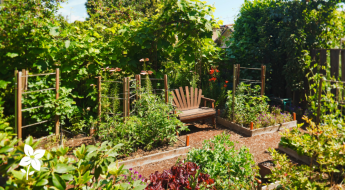
Long-blooming perennials are the quiet heroes of Alberta gardens, returning through frost-kissed soil and shifting prairie skies like old friends who know exactly when they are needed most. In a place where the weather can feel like it has a flair for drama, the garden becomes more than a seasonal display. It becomes a living story. Each spring, the soil stirs, the snow retreats, and the first green shoots rise like a promise kept.
Annuals have their place, of course. They are the fireworks of the garden: bright, beautiful, and brief. They bring instant colour and seasonal sparkle, then bow out when frost takes the stage. Perennials, however, are the chapters that keep unfolding. They persist. They deepen. They settle into the landscape and become part of the garden’s memory.
In Alberta, that kind of reliability matters. Gardeners here do not have endless patience for plants that sulk through a cold spring, collapse in dry heat, or vanish after one tough winter. We need plants with backbone and beauty. Plants that can handle the mood swings of the season while still offering colour, texture, pollinator value, and long-term structure.
That is where dependable perennials shine. Daylilies, coneflowers, sedum, hostas, and yarrow are not delicate garden divas demanding constant attention. They are resilient companions: steady, expressive, and built for real gardens in real Alberta conditions.
Alberta’s Gardening Reality: A Land of Contrast
Gardening in Alberta is not for the faint of heart. This is a land of contrast, where summer can arrive with blazing confidence, spring can hesitate at the doorway, and fall sometimes sweeps in before anyone has finished deadheading.
Winter is the stern gatekeeper, testing every root system beneath its frozen watch. Spring is a hesitant artist, touching the garden with tentative brushstrokes of green, then pausing under the threat of one more frost. Summer is a bold but brief storyteller, rushing in with heat, colour, growth, and abundance before the season turns again.
For gardeners, this unpredictability can be frustrating. One week the soil is warming beautifully. The next, a cold snap reminds everyone who is actually in charge. Rain may come generously, or not enough. Heat can arrive suddenly. Wind can dry exposed beds. And plants that thrive in softer climates may struggle under prairie pressure.
That is why plant selection is not just a design choice in Alberta. It is a strategy.
Choosing the right perennials means building a garden with staying power. It means selecting plants that are not only beautiful in a catalogue photo, but capable in the ground. The best perennial plants in Alberta are the ones that can manage cold winters, shifting moisture, short growing seasons, and the occasional weather tantrum without requiring gardeners to hover over them all summer.
The Survivors of the Soil
Every strong Alberta garden needs survivors of the soil: plants that do not simply grow, but endure with elegance. These are the perennials that return after winter, fill out with confidence, and give the garden shape even when the weather has other plans.
Daylilies, coneflowers, sedum, hostas, and yarrow have earned their place because they combine toughness with charm. They are practical without being plain. They are low-maintenance without being boring. They bring colour, texture, movement, and reliability to beds and borders while asking for surprisingly little in return.
Think of them as dependable garden companions. Some bring sunlit cheer. Some bring pollinator activity. Some soften the shade. Some stand firm into fall when many plants have already packed their bags. Together, they form the bones, breath, and rhythm of a resilient perennial garden.
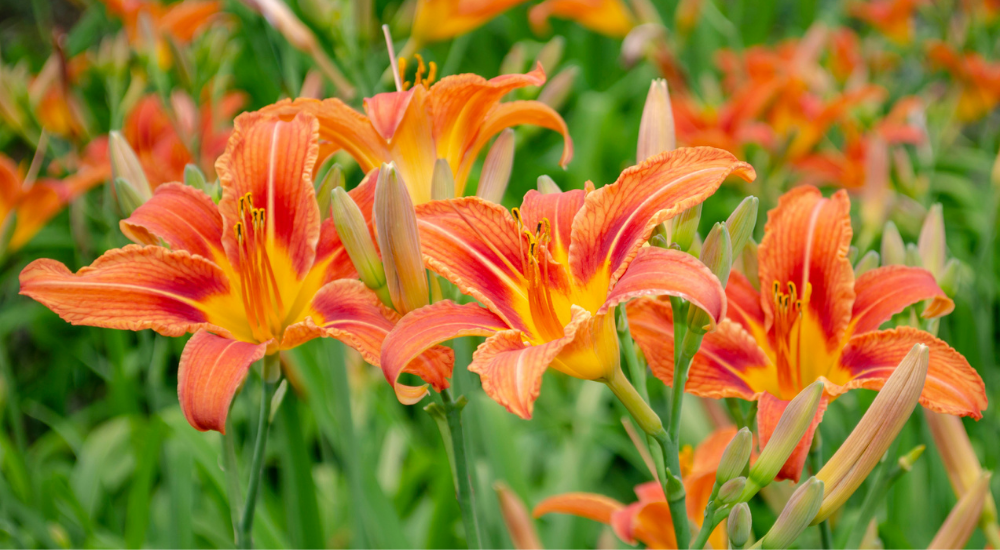 Daylily: The Sun-Chasing Sentinel
Identity Snapshot
Daylilies are the sun-chasing sentinels of the perennial border, rising with arching foliage and cheerful blooms that seem to greet summer with open arms.
Strength and Adaptation
Daylilies are loved for a reason. They are hardy, adaptable, and forgiving, which makes them especially useful in Alberta gardens. Once established, many daylilies can tolerate periods of drought, handle summer heat, and return reliably after winter dormancy.
Their fleshy roots help them store energy, giving them a practical advantage when conditions fluctuate. They are not fussy about perfection, either. Give them a sunny location, decent soil, and reasonable drainage, and they usually reward you with strong growth and dependable flowering.
In Alberta, where gardeners need plants that can withstand both cold and inconsistency, daylilies offer that rare mix of endurance and enthusiasm.
Visual and Seasonal Role
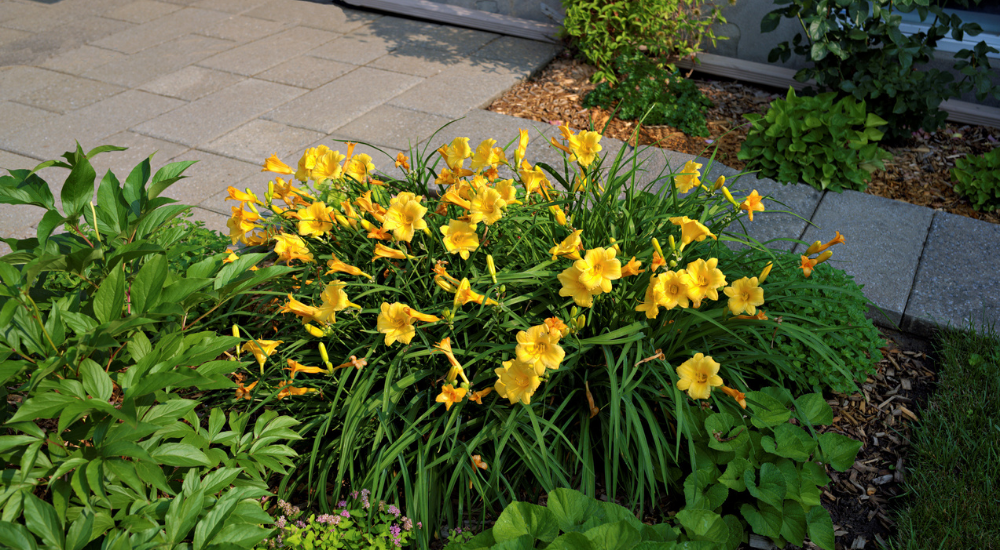
Daylilies bring bold, trumpet-shaped blooms in shades that may include yellow, orange, red, pink, peach, and cream, depending on the variety. Their grassy foliage adds movement and softness before and after bloom time, helping beds feel full rather than bare.
They work beautifully as border plants, pathway companions, and mid-height anchors in sunny garden beds. Because their foliage forms tidy clumps, they can help create repetition throughout a landscape without looking stiff or overly formal.
Emotional Appeal
Daylilies feel generous. They have an easy confidence in the garden, like a plant that knows it belongs. Their blooms may be individually short-lived, but the plant itself carries a sense of abundance, sending up flower after flower through its season. They bring warmth, optimism, and a little golden swagger.
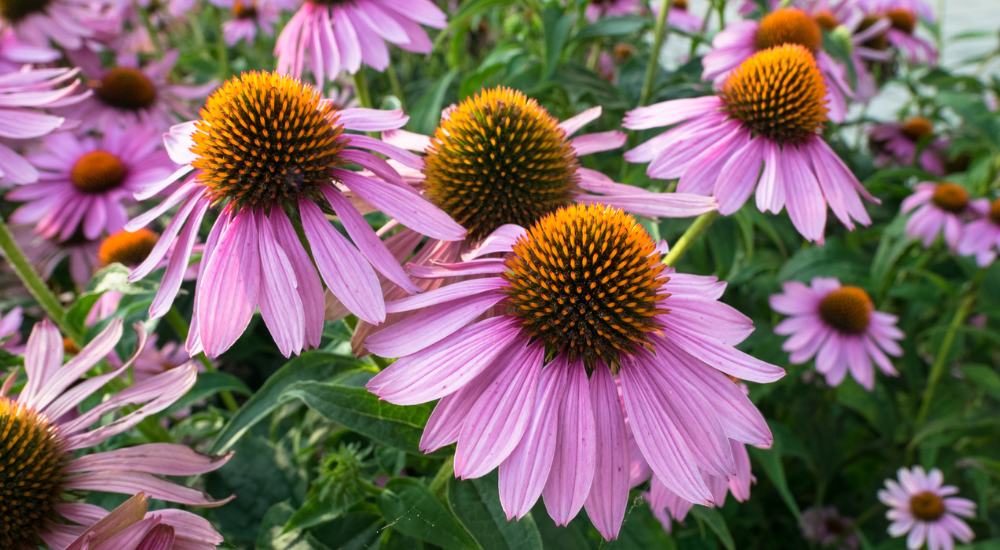 Coneflower: The Prairie-Hearted Pollinator Magnet
Identity Snapshot
Coneflowers are prairie-hearted pollinator magnets, standing tall with daisy-like blooms and strong central cones that seem built for sun, wind, and wings.
Strength and Adaptation
Coneflowers are a natural fit for gardeners who want resilience with ecological value. Once established, they can tolerate heat and drier conditions, making them well-suited to sunny Alberta landscapes. Their sturdy stems and deep-rooted nature help them hold their own when summer weather gets intense.
They prefer full sun and well-drained soil, and while they appreciate care during establishment, mature plants are generally not needy. That is a major win for busy homeowners who want garden colour without constantly fussing.
Coneflowers also contribute to pollinator-friendly planting. Their open blooms attract bees and butterflies, and their seed heads can add late-season interest if left standing into fall. For gardeners planning Alberta pollinator garden plants, coneflowers are a strong and beautiful choice.
Visual and Seasonal Role
Coneflowers bring bold, upright structure to the garden. Their blooms often appear in summer and continue for weeks, with petals radiating from a prominent central cone. Depending on the variety, colours may range from classic purple-pink to white, orange, yellow, red, or coral tones.
They make excellent mid-to-back-of-border plants and pair beautifully with ornamental grasses, yarrow, sedum, and other sun-loving perennials. Their vertical shape adds structure, while their blooms bring an informal, meadow-like charm.
Emotional Appeal
Coneflowers feel alive with purpose. They bring motion, visitors, and prairie poetry to the garden. When bees move from bloom to bloom and petals glow under the summer sun, coneflowers create the feeling of a garden doing exactly what it was meant to do.
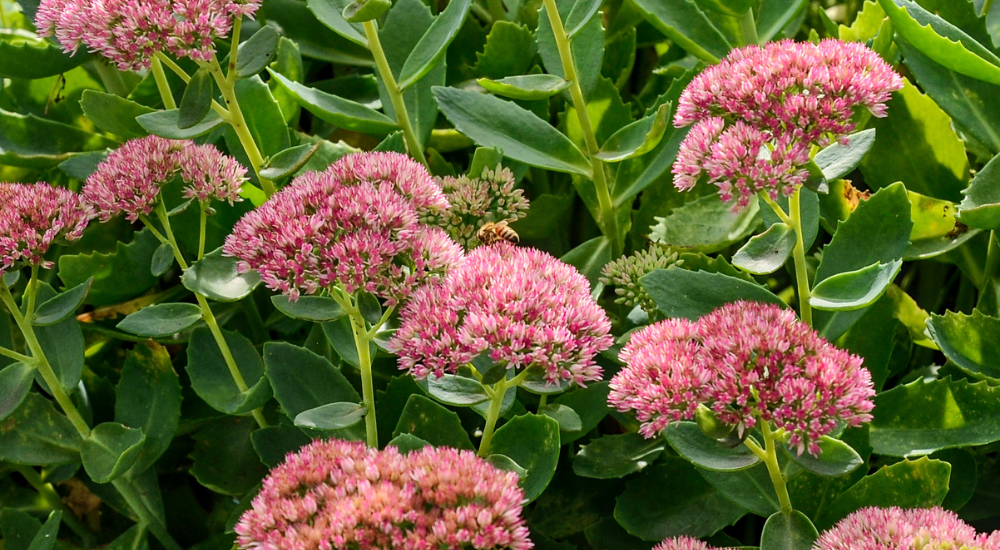 Sedum: The Autumn-Bound Anchor
Identity Snapshot
Sedum is the autumn-bound anchor, steady and sculptural, holding the garden together when softer summer blooms begin to fade.
Strength and Adaptation
Sedum is a gift to gardeners who appreciate plants that thrive on restraint. Many upright sedums prefer full sun, leaner soil, and excellent drainage. They are drought-tolerant once established, thanks to their succulent foliage, which stores moisture and helps them handle dry spells.
This makes sedum especially valuable in Alberta gardens where summer moisture can be uneven and hot periods can arrive quickly. Rather than wilting dramatically at the first sign of stress, sedum tends to remain composed.
The key is to avoid soggy conditions. In heavy or poorly drained soil, sedum may struggle. But in the right spot, it becomes one of the most dependable low-maintenance perennials in the landscape.
Visual and Seasonal Role
Sedum offers thick, fleshy leaves and strong flower heads that often develop later in the season. Upright types bring structure from spring onward, forming tidy mounds before producing broad clusters of small flowers. These blooms often become especially valuable in late summer and fall, when the garden needs fresh interest.
Sedum is excellent for sunny borders, rock gardens, low-water areas, and mixed perennial beds. Its texture contrasts beautifully with finer foliage plants, airy flowers, and ornamental grasses.
Emotional Appeal
Sedum feels grounded. It does not flutter or fuss. It stands calmly in the garden like a stone warmed by the sun. As autumn approaches, it brings maturity and quiet richness, reminding gardeners that beauty does not have to shout to be seen.
 Hosta: The Shade-Softening Sculptor
Identity Snapshot
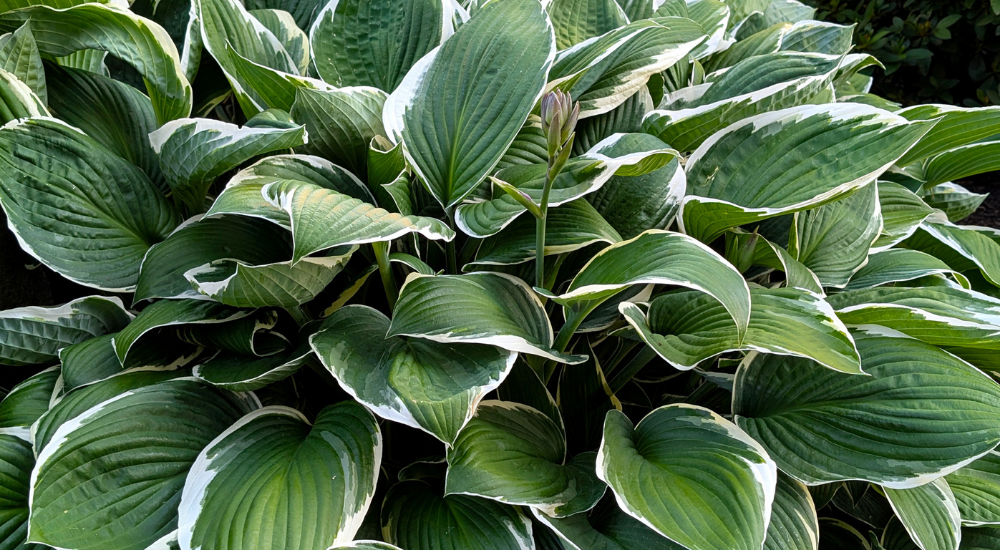
Hostas are the shade-softening sculptors of the garden, shaping quiet corners with lush leaves, graceful mounds, and cool texture.
Strength and Adaptation
Not every Alberta garden bed is drenched in sun. North-facing spaces, tree canopies, fence lines, and sheltered foundation beds all create shadier conditions where many flowering plants struggle. Hostas step into those spaces with calm authority.
Hostas are hardy perennials valued for their foliage, especially in part-shade to shade locations. They prefer consistent moisture and rich, well-drained soil, but once established in the right site, they can return reliably year after year.
In Alberta, hostas are especially useful because they bring impact to places where colour can be harder to achieve. While they may not be drought-tolerant in the same way as sedum or yarrow, they are dependable when matched to suitable moisture and shade conditions.
Visual and Seasonal Role
Hostas come in an impressive range of leaf sizes, shapes, and colours. Depending on the variety, foliage may be deep green, blue-green, chartreuse, variegated, creamy-edged, or boldly textured. Their leaves create mass and rhythm, making them excellent for foundation plantings, shaded borders, woodland-style beds, and underplanting around shrubs.
Many hostas also produce summer flower stalks, often in pale lavender or white tones, adding a soft vertical accent above the foliage.
Hostas are particularly effective when combined with ferns, astilbe, heuchera, and other shade-friendly plants. They help make shaded spaces feel intentional rather than forgotten.
Emotional Appeal
Hostas feel restful. They bring a sense of coolness and calm, like shade on a hot afternoon. Their broad leaves soften hard edges, quiet busy corners, and create a lush, settled feeling in the garden.
 Yarrow: The Sunlit Survivor
Identity Snapshot
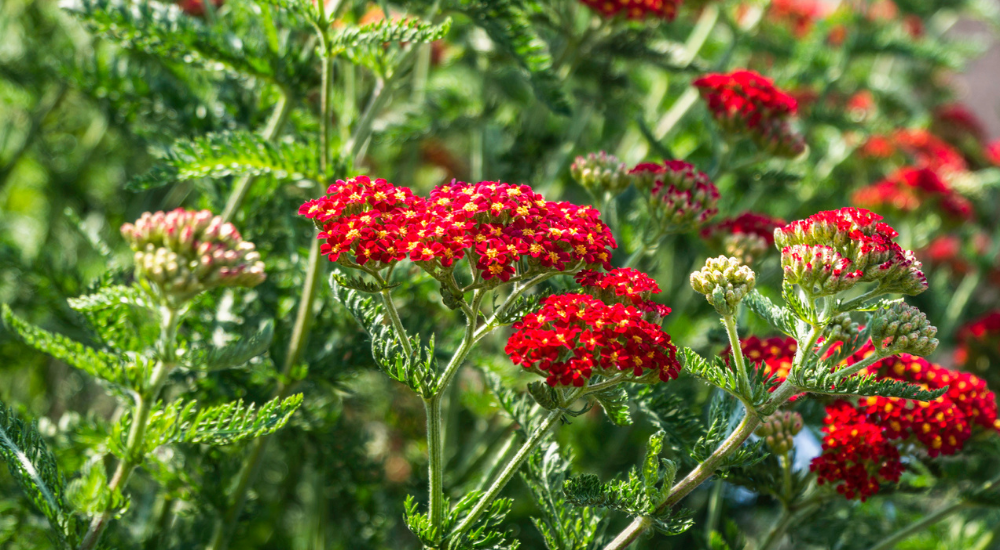
Yarrow is the sunlit survivor, airy yet tough, with ferny foliage and flat-topped blooms that bring meadow energy to dry, bright spaces.
Strength and Adaptation
Yarrow is one of those plants that seems almost tailor-made for challenging sunny sites. It is drought-tolerant once established, thrives in full sun, and generally prefers well-drained soil. In fact, overly rich or wet conditions can make it floppy, so restraint is often part of its care.
For Alberta gardeners, this toughness is a major advantage. Yarrow can manage heat, dry spells, and leaner soil better than many fussier perennials. It is a strong option for low-maintenance beds, naturalistic plantings, pollinator gardens, and sunny borders.
Its resilience makes it useful in landscapes where gardeners want beauty without constant watering, feeding, or pampering.
Visual and Seasonal Role
Yarrow has finely cut, fern-like foliage that adds delicate texture even before it blooms. Its flowers appear in flat clusters, often in shades of yellow, white, pink, red, or soft pastels, depending on the variety.
It works well as a mid-height filler, a pollinator plant, and a texture bridge between bolder perennials. In a sunny perennial bed, yarrow brings airiness and repetition. It can also help connect stronger shapes, such as daylilies and sedum, with softer meadow-style planting.
For homeowners looking at Edmonton landscaping flowers, yarrow offers both ornamental value and practical staying power in sunny garden designs.
Emotional Appeal
Yarrow feels effortless. It has a wild-at-heart quality, as though it wandered in from a sunlit field and decided to stay. It brings movement, softness, and resilience, proving that toughness can still look delicate.
Plant Once, Perform for Years
A well-planned perennial garden is not a one-season performance. It is a long-term investment in beauty, structure, and ease. When you choose resilient plants, you are not simply filling empty spaces. You are building a living framework that becomes fuller and more expressive with time.
This is the quiet genius of dependable perennials: less effort, more endurance. Short-lived effort, long-lived reward.
With annuals, the garden often begins again every spring. With hardy perennials, the garden begins to remember. Clumps expand. Root systems strengthen. Bloom cycles become familiar. The landscape gains rhythm.
That does not mean a perennial garden requires no care at all. Plants still need thoughtful placement, watering while they establish, occasional division, seasonal cleanup, and attention to soil conditions. But compared to high-maintenance plantings that demand constant intervention, these reliable perennials reduce the workload while increasing the garden’s long-term return.
Daylilies bring cheerful repetition. Coneflowers bring pollinator activity and upright colour. Sedum carries the border into fall. Hostas fill shaded spaces with sculptural foliage. Yarrow adds sun-loving texture and drought tolerance. Together, they create a garden that performs with grace instead of drama.
 Garden Planning Insight: Designing a Living Canvas
A resilient perennial garden is not just about choosing tough plants. It is about placing them with intention. Good design begins by reading the garden like a map of light, moisture, and movement.
Start with sun and shade zoning. Daylilies, coneflowers, sedum, and yarrow are best suited to sunny locations, especially where they receive enough light to bloom strongly and maintain sturdy growth. Hostas belong in the quieter, cooler parts of the garden, where shade softens the day and moisture lingers a little longer.
Next, think in layers. Taller or more upright plants, such as coneflowers, can act as vertical anchors. Mid-height plants like daylilies and yarrow create body and rhythm. Sedum forms sturdy mounds that hold structure, especially later in the season. Hostas provide ground-level mass and texture in shaded areas.
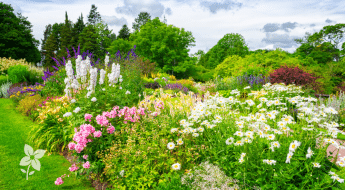
Bloom sequencing is another key part of the living canvas. The goal is not to have everything shout at once, then fall silent. A stronger garden moves like music. Foliage emerges first. Early growth fills the frame. Summer blooms arrive in waves. Late-season plants extend the display into fall. Even seed heads and standing stems can add shape when the season begins to fade.
Texture matters just as much as colour. Pair the strappy foliage of daylilies with the bold leaves of hostas. Contrast sedum’s succulent weight with yarrow’s fine, feathery foliage. Let coneflowers rise above lower companions like punctuation marks in a paragraph of green.
A good perennial bed should feel layered, not cluttered. Repeated plant groupings create calm. Odd-numbered clusters often feel natural. Curved edges and staggered heights help the planting look generous rather than rigid.
Designing with dependable perennials is like painting with plants that know how to come back to the canvas every year.
Choosing with Confidence
Successful Alberta gardening begins with matching the right plant to the right place. That sounds simple, but it is where many garden frustrations begin. A plant may be beautiful, but if it needs conditions your yard cannot offer, it becomes work instead of joy.
That is why a curated perennial selection matters. Regionally suitable plants help gardeners make confident choices instead of hopeful guesses. When plants are chosen for local performance, gardeners are more likely to see success, enjoy their landscapes, and keep building their skills season after season.
A dependable garden does not happen by accident. It grows from smart choices: hardy roots, suitable light, good drainage, realistic maintenance, and plants that have proven they can handle the climate. Whether you are building your first perennial bed or refreshing an established landscape, choosing resilient varieties gives your garden a stronger foundation.
And that foundation matters. A garden should not feel like a test you are constantly failing. It should feel like a relationship that deepens with care, observation, and trust.
The Living Return
Each year, the Alberta garden begins again with quiet courage. Snow recedes like a curtain. The soil loosens. Old crowns stir beneath the surface. Then, almost magically, the perennials return: not as strangers, but as memory made visible.
Daylilies push up green fans. Coneflowers gather strength for summer bloom. Sedum forms its sturdy mounds. Hostas unfurl like folded paper in the shade. Yarrow lifts its ferny foliage toward the sun. The garden remembers its own beauty.
That is the true gift of hardy perennials. They offer continuity in a climate of contrast. They bring resilience without sacrificing colour, structure, softness, or spirit. They remind us that the most meaningful gardens are not always the ones remade from scratch each spring, but the ones that return with more character each year.
For Alberta gardeners, long-blooming perennials are more than plants. They are proof that beauty can endure, that effort can echo, and that a well-planted garden can come back stronger, fuller, and more alive with every passing season.
Visit Salisbury Greenhouse in Sherwood Park or St. Albert to explore hardy, long-blooming perennials chosen for Alberta gardens. Plus, get expert help building a landscape that comes back stronger every year!