World Bee Day hums through the garden like a quiet alarm bell, reminding us that beneath every bloom lies a story of survival, connection, and fragile balance. Bees move through the landscape like living threads, stitching together colour, flavour, and life itself. Their flight is soft, but their impact is thunderous—without them, the garden’s symphony fades into silence.
It is easy to admire a garden for its beauty—the bold petals, the layered greens, the bursts of colour that catch the eye. Yet behind that beauty stands an invisible workforce. Bees are not just visitors; they are creators of abundance, architects of harvest, and quiet custodians of ecosystems.
To celebrate them is to recognize that every garden is more than decoration—it is participation. A single planter, a backyard border, or a sprawling landscape can all become part of something far greater: a living network that sustains life far beyond the fence line.
 Why Bees Matter: The Invisible Gardeners
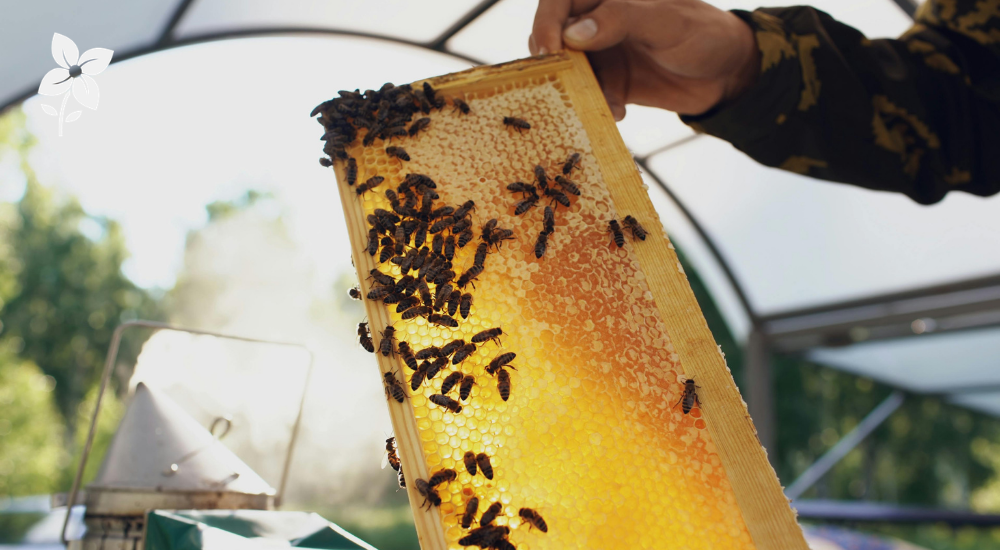
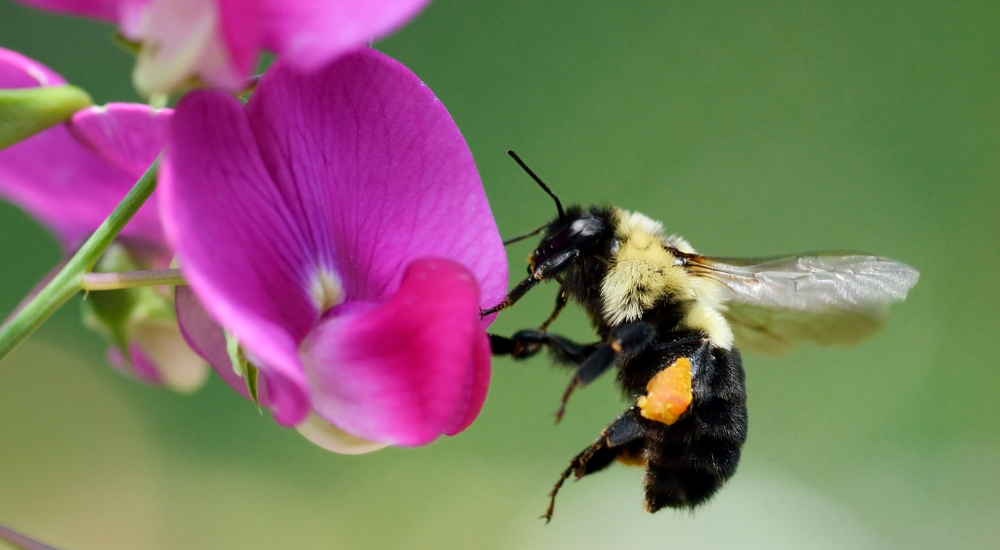
Bees are the silent gardeners of the earth, moving from flower to flower with a purpose that often goes unnoticed. Dusty with pollen, they act as gold-dusted messengers, carrying life between blooms. Each visit is a transaction—nectar for nourishment, pollination for renewal.
Without these tireless workers, gardens would lose their rhythm. Fruits would fail to form, vegetables would struggle to develop, and flowers would bloom without purpose. The contrast is stark: a thriving garden alive with motion and sound versus a still, silent space where growth feels incomplete.
Pollinators do not simply enhance gardens—they sustain them. Nearly every vibrant harvest, from crisp apples to plump tomatoes, owes its existence to their work. Even ornamental spaces depend on this unseen exchange, where pollination fuels the next generation of blooms.
To understand bees is to understand that life in the garden is interconnected. Remove one piece, and the entire system begins to falter. Protect them, and everything else begins to flourish.
World Bee Day Meaning: A Call from Nature
World Bee Day is not just a date on the calendar—it is a signal, a pause, a moment to listen. It calls attention to the quiet crisis unfolding in fields and gardens alike, where pollinator populations face increasing challenges from habitat loss, chemicals, and climate shifts.
But it is also a message of hope. It reminds us that change does not require grand gestures. Instead, it begins with awareness, then grows through action—small, deliberate choices that ripple outward.
A garden becomes more than a personal space in this context. It transforms into a habitat, a refuge, a place where life is supported rather than simply displayed. Each plant added, each practice adjusted, becomes part of a larger effort to restore balance.
This is where intention meets impact. By choosing to garden with pollinators in mind, you step into a role that is both creative and critical—shaping beauty while sustaining life.
 Planting for Pollinators: A Living Palette
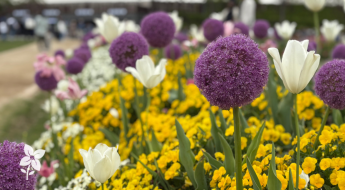
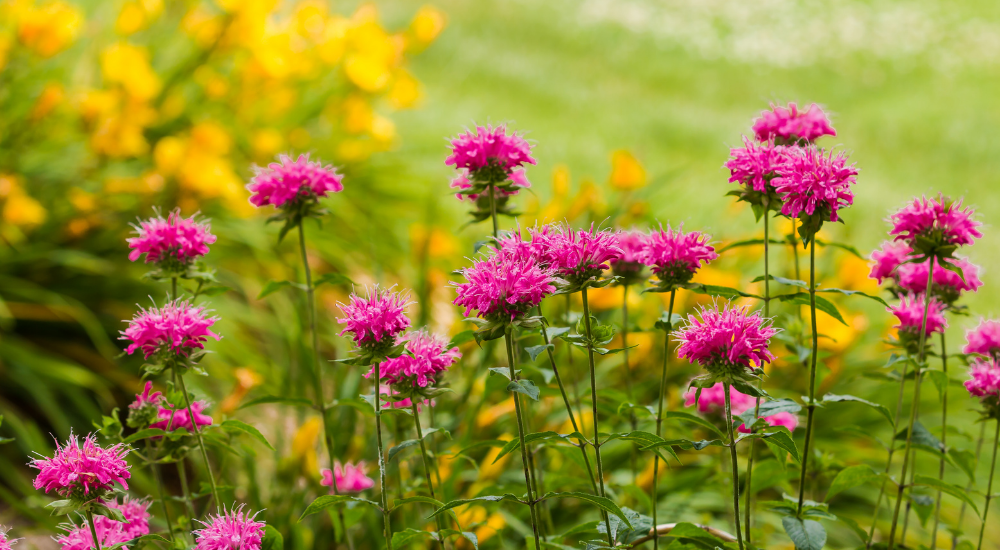
A pollinator-friendly garden is a masterpiece in motion, painted with colour, scent, and nectar-rich blooms. Think of it as a living palette—each plant a brushstroke contributing to a vibrant, buzzing canvas.
The most effective gardens are not complicated. They rely on thoughtful choices: selecting varieties known for their appeal to bees, planting in clusters for visibility, and ensuring blooms are available from early spring through late fall. This continuous cycle of flowering creates a reliable food source, guiding pollinators from one season to the next.
Look for blooms rich in nectar and pollen—open, accessible flowers where bees can easily land and gather. Native plants often play a key role, as they are naturally adapted to local conditions and pollinators. When exploring the best plants for pollinators in Canada, you will find a wide range of options that bring both beauty and ecological value.
From bright perennials to flowering shrubs and even container-friendly annuals, the possibilities are expansive. Even small spaces can support pollinators when planted with intention. A balcony pot filled with flowers that attract bees can become a vital stop along a pollinator’s journey.
This is where creativity meets purpose—designing spaces that are as functional as they are beautiful.
Small Actions, Big Impact: Garden Stewardship
Supporting pollinators does not require a complete garden overhaul. Often, it is the simplest shifts that make the biggest difference:
Reducing or eliminating pesticide use is one of the most powerful changes a gardener can make. Chemicals designed to control pests can also harm beneficial insects, disrupting the delicate balance of the garden. Choosing natural solutions or allowing minor imperfections can create a healthier environment overall.
Leaving small areas of the garden slightly wild can also provide essential habitat. A patch of untamed growth, a few fallen stems, or undisturbed soil can offer shelter and nesting spaces for pollinators.
Adding a shallow water dish with stones can provide a safe place for bees to land and drink. This is especially helpful during warm, dry periods when natural water sources are limited.
These actions may seem modest, but their impact is profound. Each decision contributes to a larger ecosystem, where even the smallest effort can support countless lives.
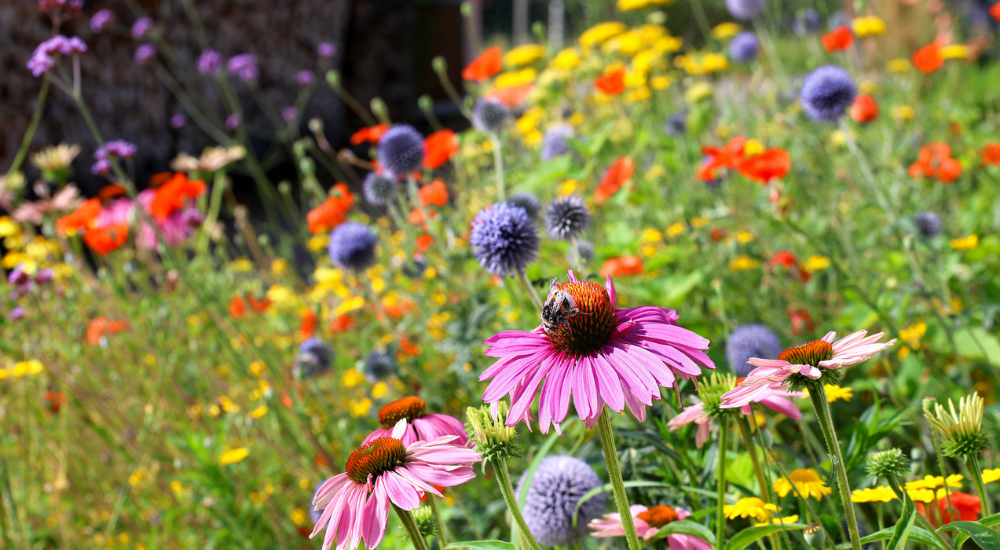 Creating a Pollinator Haven: Designing with Intention
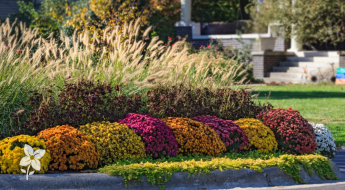
A garden designed for pollinators is alive with movement—a place where colour and motion intertwine. Imagine fluttering pathways lined with blooms, nectar-lit corridors guiding bees from one cluster to the next.
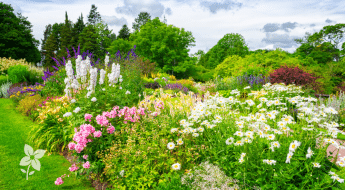
Layering is key. Combine low-growing plants with taller varieties to create depth and accessibility. Mix textures and bloom shapes to appeal to different pollinators, ensuring diversity in both form and function.
Equally important is timing. A well-designed pollinator garden offers continuous bloom, providing nourishment from the first signs of spring through the final days of fall. This steady availability transforms the garden into a reliable sanctuary rather than a fleeting resource.
For those gardening locally, selecting the best plants for bees in Alberta ensures that your space aligns with regional conditions while supporting native pollinator populations.
Designing with intention does not limit creativity—it enhances it. The result is a garden that feels dynamic, responsive, and deeply connected to the natural world.
 Local Connection: Growing with Purpose
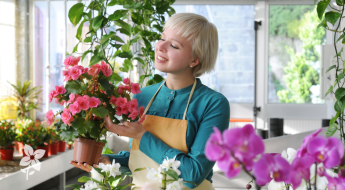
Turning ideas into action often begins with the right guidance. A trusted garden centre becomes more than a place to shop—it becomes a resource, a partner in building something meaningful.
Salisbury offers a curated selection of pollinator-friendly plants suited to local conditions, helping gardeners make confident, informed choices. From knowledgeable staff to carefully selected varieties, the experience is designed to bridge the gap between inspiration and reality.
Whether you are starting small with a few containers or reimagining an entire landscape, having access to the right plants and expertise makes all the difference. It transforms intention into impact, one plant at a time.
A Garden That Listens
A garden built for pollinators is never static—it listens, responds, and evolves. Each bloom becomes part of a conversation, each visit from a bee a quiet affirmation that life is thriving.
World Bee Day reminds us that these small interactions matter. They shape not only our gardens but the broader ecosystems we are part of.
To plant with purpose is to participate in something enduring. It is to recognize that beauty and responsibility can grow side by side, creating spaces that are both vibrant and vital.
In the end, a pollinator-friendly garden is more than a collection of plants. It is a living promise—a commitment to nurture, protect, and celebrate the delicate connections that sustain us all.