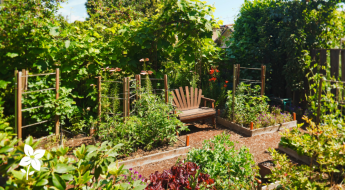
The best kitchen garden ideas begin with a vision: raised beds glowing with emerald lettuce, vines heavy with ruby tomatoes, and herbs releasing their fragrance each time the breeze wanders through. Basil stretches toward the sunlight like a performer greeting its audience, parsley gathers quietly at the edges like a dependable companion, and cherry tomatoes dangle like tiny lanterns promising sweetness. A thoughtfully planned kitchen garden is not simply a patch of soil—it is a living pantry just steps from your door.
What if your backyard could serve up fresh basil for your morning omelette and plump cherry tomatoes for dinner salads? What if the ingredients for your favourite meals were growing within arm’s reach, ready whenever inspiration strikes?
Planning a kitchen garden early in the season transforms that possibility into reality. With thoughtful plant selection, a clever layout, and an understanding of how your garden fits into everyday life, a simple growing space can become a steady source of fresh, flavourful ingredients throughout the season. This guide explores how to plan a practical kitchen garden that is productive, easy to manage, and woven naturally into daily routines. For those ready to get a head start on their garden, understanding the early steps of indoor seed starting can turn your kitchen garden dreams into a springtime reality.
Why Plan Your Kitchen Garden? (The Vision)
A kitchen garden without a plan is like a symphony without a conductor—beautiful potential lost in chaos. Seeds scatter, plants compete for sunlight, and harvests arrive all at once instead of in a steady rhythm. But when a gardener takes the time to design the space thoughtfully, every plant plays its part in harmony.
Planning early offers several key advantages.
 Maximizing Space and Sunlight
Sunlight is the quiet engine behind every thriving garden. Observing where the sun falls across your yard allows you to position sun-loving vegetables—like tomatoes and peppers—in the brightest spots, while leafy greens and herbs can thrive in gentler light. When sunlight is used wisely, even a modest space becomes surprisingly productive.
Choosing Plants Suited to the Season
Early planning helps gardeners select crops that match the growing season and local climate. Cool-season vegetables such as lettuce, spinach, and radishes welcome the freshness of spring, while summer favourites like cucumbers and tomatoes bask in warm sunshine.
If you’re looking to bring greenery indoors while keeping maintenance effortless, discovering hardy, adaptable plants can complement your kitchen garden and brighten your home year-round.
Creating an Accessible, Functional Garden
A well-designed kitchen garden should feel as natural as opening a pantry cupboard. When beds are arranged thoughtfully and pathways are clear, harvesting becomes quick and effortless. The garden works with your daily routine rather than demanding extra effort.
With a clear vision in place, the next step is choosing what to grow!
 Choosing What to Grow
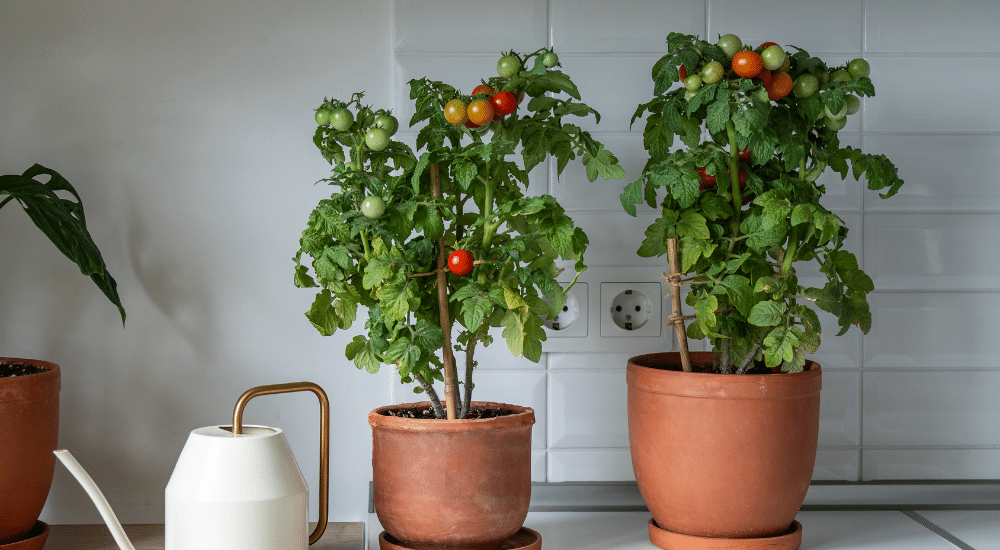
Imagine your garden as a painter’s palette. Instead of colours, it holds vibrant ingredients: bright red tomatoes, emerald kale, golden carrots, deep purple eggplants, and feathery dill dancing in the wind. The choices you make now shape the flavours of your meals all season long.
One of the best ways to start is by considering vegetables to grow at home that you already enjoy cooking with regularly. A kitchen garden thrives when it reflects your cooking habits. If your favourite dishes rely on herbs and greens, those plants deserve the prime spots in your beds.
To keep your garden both productive and satisfying, consider including a mix of plant types.
Quick Growers for Instant Rewards
Some vegetables grow quickly and offer almost immediate gratification. Radishes, lettuce, spinach, and baby greens germinate rapidly and can be harvested within weeks. These crops build confidence for beginners and provide early harvests that keep gardeners motivated.
Perennials and Herbs for Reliable Harvests
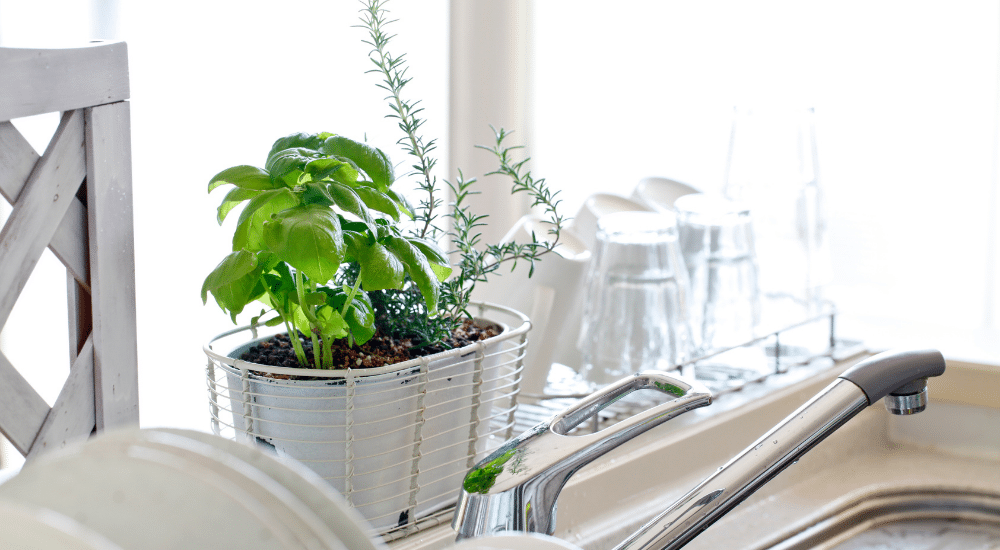
Herbs form the backbone of many kitchen gardens. Basil, chives, thyme, oregano, parsley, and mint produce consistently throughout the season. Perennial herbs, such as chives or thyme, return year after year, quietly establishing themselves as dependable garden residents.
Companion Plants That Thrive Together
Certain plants grow especially well next to one another. Gardeners often remember these pairings through memorable phrases like basil beside beans, carrots complementing chives, and lettuce lingering under tomato vines.
Companion planting can improve growth, deter pests, and make efficient use of space. These partnerships transform individual plants into cooperative communities.
For gardeners starting their first beginner vegetable garden, focusing on a small selection of reliable crops is often the most rewarding approach. A few well-chosen vegetables and herbs can produce abundant harvests without overwhelming the gardener.
Planning Your Layout
Every garden bed is a stage, and your vegetables are the performers waiting for their spotlight. The arrangement of beds, containers, and pathways determines how easily the garden can be planted, tended, and harvested.
Thoughtful layout begins with understanding the environment of your yard.
 Sunlight and Microclimates
Most vegetables thrive in six to eight hours of sunlight each day. Observe how light moves through your yard. Areas close to walls, fences, or trees may create sheltered microclimates where certain plants perform better.
Raised Beds, Containers, and Vertical Growing
Different gardening styles suit different spaces. Raised beds offer excellent soil control and clear organization. They warm quickly in spring and provide defined areas for planting.
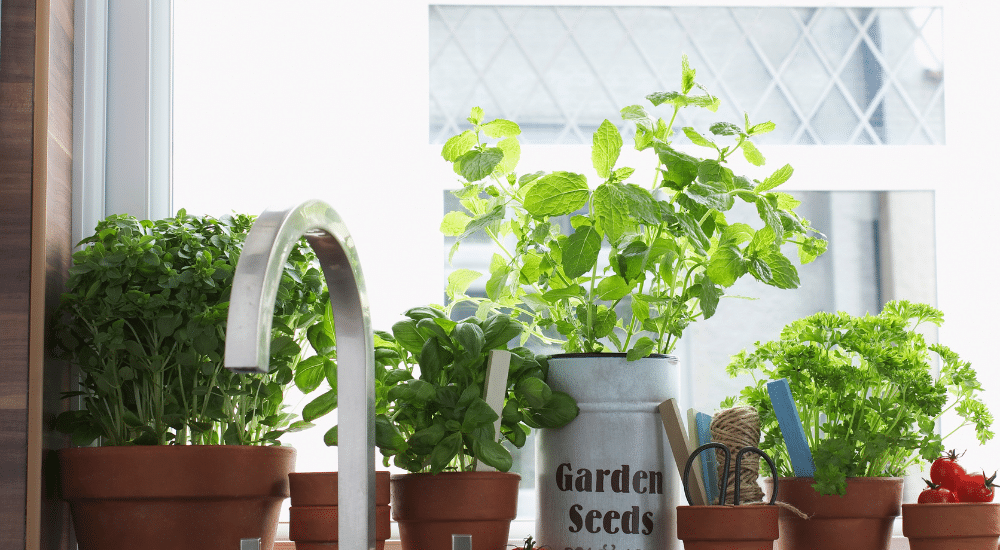
Containers provide flexibility for patios, balconies, and smaller yards. Herbs, peppers, lettuce, and tomatoes often thrive in well-sized pots.
Vertical gardening allows climbing plants—such as cucumbers, beans, and peas—to grow upward rather than outward, saving precious space.
Designing for Accessibility
A practical kitchen garden should be easy to reach and maintain. Beds that are too wide make harvesting difficult, while crowded pathways slow down daily care. Keeping beds within arm’s reach ensures harvesting remains simple and enjoyable.
Even compact spaces can become productive gardens. A sunny balcony may host pots of basil, tomatoes, and lettuce. A small backyard might hold a pair of raised beds filled with seasonal vegetables. With creative planning, an edible garden can flourish in almost any environment.
Integration into Daily Life
A kitchen garden works best when it becomes part of everyday rhythm. Instead of being a distant project at the far edge of the yard, it should feel like a natural extension of the home.
Picture the daily flow of a well-planned garden.
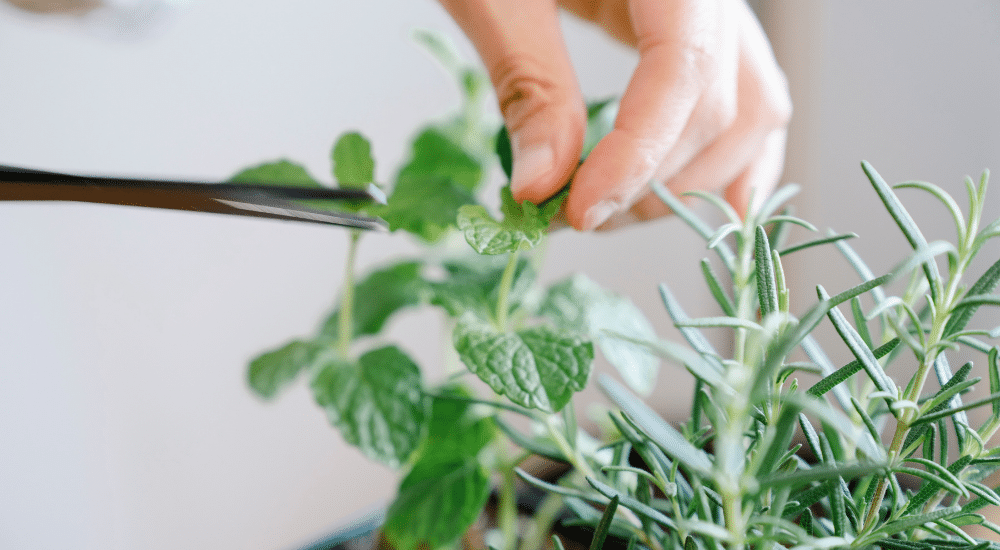
Morning sunlight stretches across the beds as dew clings to fresh leaves. Chives whisper quiet greetings while parsley lifts its fronds toward the warmth of the day. A gardener steps outside with coffee in hand and snips a handful of herbs for breakfast.
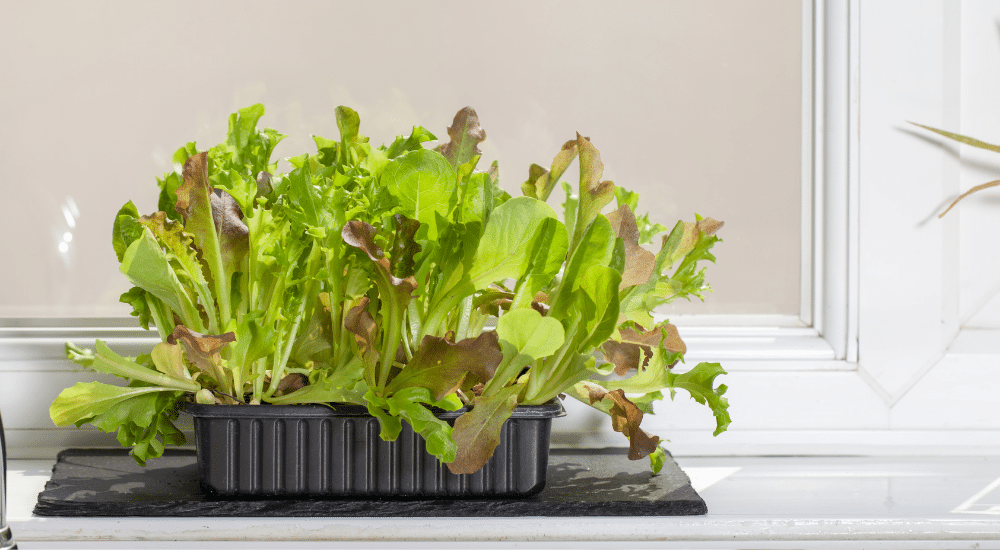 By midday, tomatoes glow with warmth, their skins deepening in colour. Lettuce stands crisp and ready for a lunchtime salad. In the evening, cucumbers and basil offer the final notes of flavour for dinner.
Placement plays an important role in making this routine possible. Locating the kitchen garden near the kitchen door encourages frequent visits and quick harvests. Herbs planted beside pathways invite spontaneous snipping, while raised beds near patios or outdoor seating areas make gardening part of daily life.
Seasonal planning also supports a steady harvest. Early greens give way to summer vegetables, while herbs continue producing throughout the season. This rhythm ensures that the garden remains productive rather than overwhelming.
A well-planned kitchen garden does not demand attention—it simply becomes part of the day.
Tips for a Manageable Garden
While ambition can inspire a gardener, balance ensures long-term success. A manageable kitchen garden provides plenty to harvest without becoming overwhelming.
Several practical techniques help maintain that balance.
Mulching: A Cozy Blanket for Your Soil
Mulch protects soil from temperature swings, preserves moisture, and discourages weeds. A layer of straw, compost, or shredded leaves acts like a comforting blanket, keeping the soil cool and healthy beneath.
Companion Planting: Friends That Flourish Together
Plants often grow better when placed beside compatible neighbours. Herbs such as basil and dill attract beneficial insects, while marigolds can help discourage certain pests. These natural partnerships reduce problems while strengthening the garden ecosystem.
Succession Planting: An Ever-Unfolding Tapestry of Harvests
Rather than planting everything at once, succession planting staggers crops across the season. As early lettuce finishes, another crop takes its place. Radishes, spinach, and greens can be replanted several times throughout the season to maintain steady harvests.
Most importantly, gardeners should resist the urge to plant too much at once. A smaller, well-tended garden often produces more usable food than a large, chaotic one. The goal is not simply productivity—it is enjoyment.
 Finding Joy in the Process
A kitchen garden begins with imagination and grows through thoughtful planning. By envisioning the space, selecting plants carefully, designing an efficient layout, and weaving the garden into everyday life, gardeners create something far more meaningful than a patch of vegetables.
The journey begins with a handful of seeds and a simple plan. Over time, that plan transforms into thriving beds, fragrant herbs, and baskets of fresh harvests ready for the kitchen.
With thoughtful planning, your backyard can transform into a kitchen garden that feeds your body, delights your senses, and nourishes your soul. Whether you are sketching layouts, selecting herbs, or exploring new kitchen garden ideas, the best time to begin planning your edible garden is today.
Consider starting with a simple garden map or a planning checklist. A few minutes of preparation now can shape a season filled with fresh flavours, daily harvests, and the quiet joy of growing your own food.
Every great kitchen garden begins with a simple plan. When you’re ready to bring yours to life, visit us at Salisbury Greenhouse for expert guidance, quality plants, and everything you need to grow with confidence!