When Frost Becomes a Flavour Enhancer
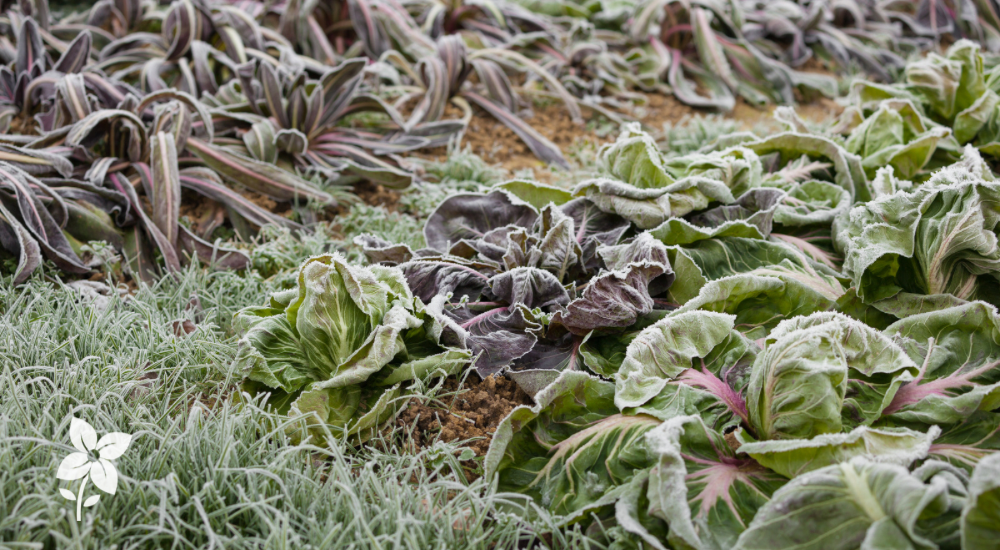
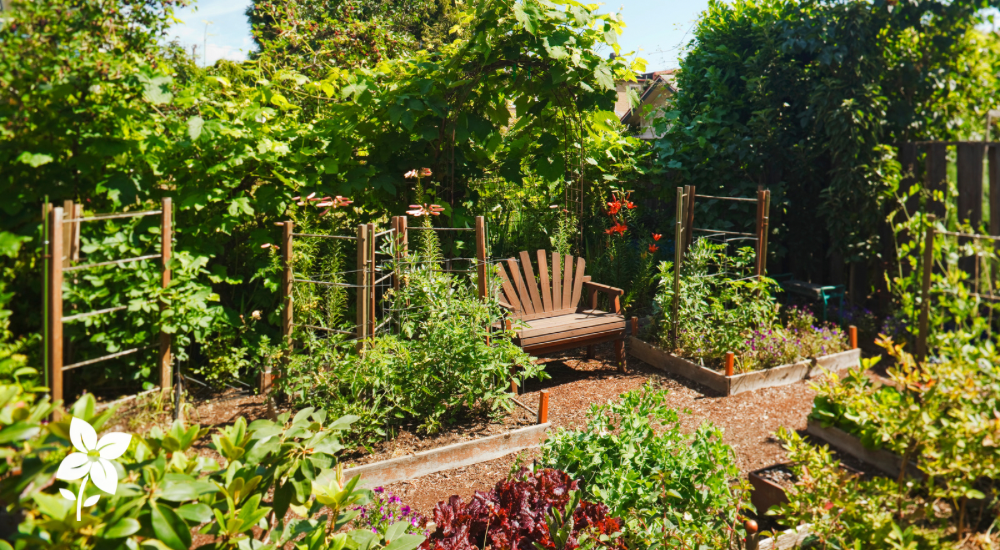
Fall vegetables can take on an impressive new character after the season’s first cold nights, when sharp morning air settles over the garden, and a thin silver shimmer traces the edges of leaves. What looks at first like winter announcing its arrival can, for the right crops, be less of a warning and more of a finishing touch. Kale stands darker and firmer, carrots wait quietly beneath the soil, and brussels sprouts cling to their stems while autumn slowly turns down the temperature.
Frost has earned a fearsome reputation in the vegetable garden, and with good reason: tomatoes, cucumbers, beans, squash, peppers, and other warm-season crops can be damaged or killed when temperatures drop below freezing. But cool-season crops play by different rules. Many have physiological responses that help them tolerate cold, and one involves accumulating soluble sugars in their tissues.
That shift can change what ends up on the dinner table. A vegetable that tasted earthy, sharp, or slightly bitter in early autumn may become sweeter, rounder, and more complex after exposure to cold weather. The effect is particularly noticeable in crops such as parsnips, carrots, kale, and Brussels sprouts. Parsnips are one of the clearest examples: prolonged exposure to near-freezing soil temperatures encourages starches in the roots to convert to sugars, which is why late-dug parsnips are prized for their sweet taste.
The trick is knowing where helpful cold ends and damaging cold begins. Frost can be a flavour enhancer, but it is not magic armour. Crop choice, temperature, duration, soil conditions, and plant maturity all matter.
Why Does Frost Make Some Vegetables Sweeter?
Plants cannot pull on a sweater when autumn arrives, so they adjust internally. As temperatures drop, some cool-season plants alter the balance of carbohydrates in their cells. Stored starches may break down into simpler soluble sugars, which can help lower the freezing point of cellular fluids while also influencing flavour.
As autumn turns down the thermostat, some plants quietly turn up the sweetness.
The science is somewhat more nuanced than the familiar idea that cold weather automatically sweetens everything in the garden. Not every crop responds in the same way, and not every chilly night causes a dramatic flavour change. In some vegetables, the most noticeable improvement comes after repeated cool nights rather than a single frosty morning. Parsnips, for example, develop their best flavour after extended exposure to near-freezing temperatures; University of Illinois Extension notes that two to four weeks of cold conditions can greatly improve their taste.
Sugar accumulation also affects how our taste buds perceive other flavours. Kale may seem less bitter, Brussels sprouts may taste milder, and roots such as carrots and parsnips can become noticeably sweeter. Cold weather does not add sugar from outside the plant; it changes how the plant uses and stores the carbohydrates it already produced.
This is also why gardeners should resist treating all frost as beneficial. A brief dip around freezing differs greatly from a prolonged freeze that allows ice to form within plant tissues. Alberta Agriculture defines the first fall frost as a daily minimum below 0°C and notes that a killing frost usually requires temperatures below about -2°C for a sufficient period. Actual damage in a home garden varies with the crop, its maturity, wind exposure, moisture, microclimate, and how long temperatures stay low.
The Fall Crops That Welcome a Little Frost
The best candidates for late-season harvesting are crops that naturally perform well in cool conditions. These frost-tolerant vegetables can handle brief cold exposure far better than summer crops, though their limits vary widely from species to species. University of Minnesota Extension, for example, lists kale and Brussels sprouts among the hardiest common garden vegetables, while beets, carrots, spinach, and several other greens tolerate lighter frost conditions.
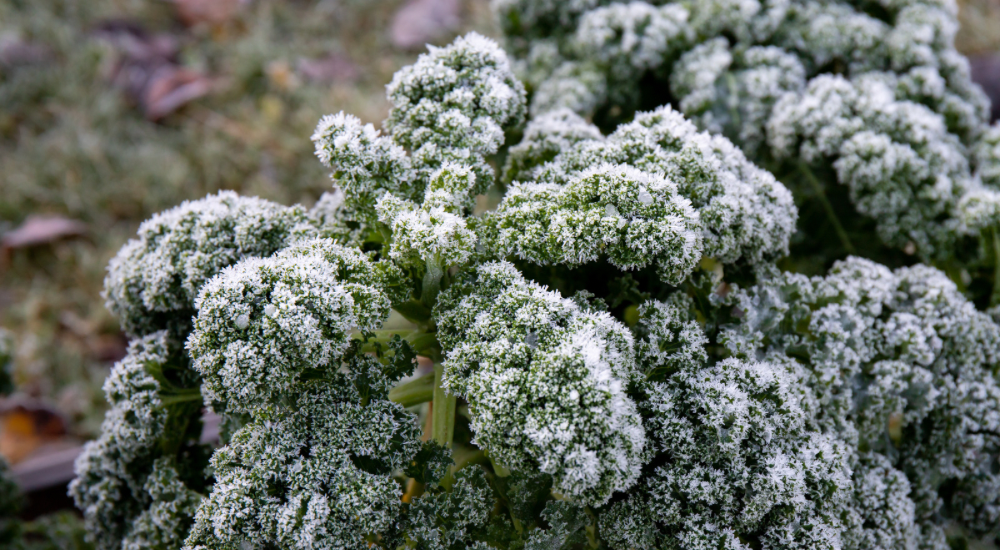 Kale
Kale
Kale is almost built for the shoulder season. Its sturdy leaves tolerate cold exceptionally well, and established plants can remain productive after lighter frosts have sent tender vegetables to the compost pile.
Cool temperatures often soften kale’s assertive flavour. The leaves may taste less bitter and slightly sweeter, particularly after several chilly nights. That makes autumn an excellent time to harvest leaves for soups, roasting, sautéing, salads, and hearty grain bowls.
Harvest from the outside of the plant first, taking the oldest usable leaves and leaving the central growing point intact. This lets the plant keep producing as long as conditions remain suitable. If a significant freeze is approaching, harvest generously rather than testing the plant’s limits unnecessarily.
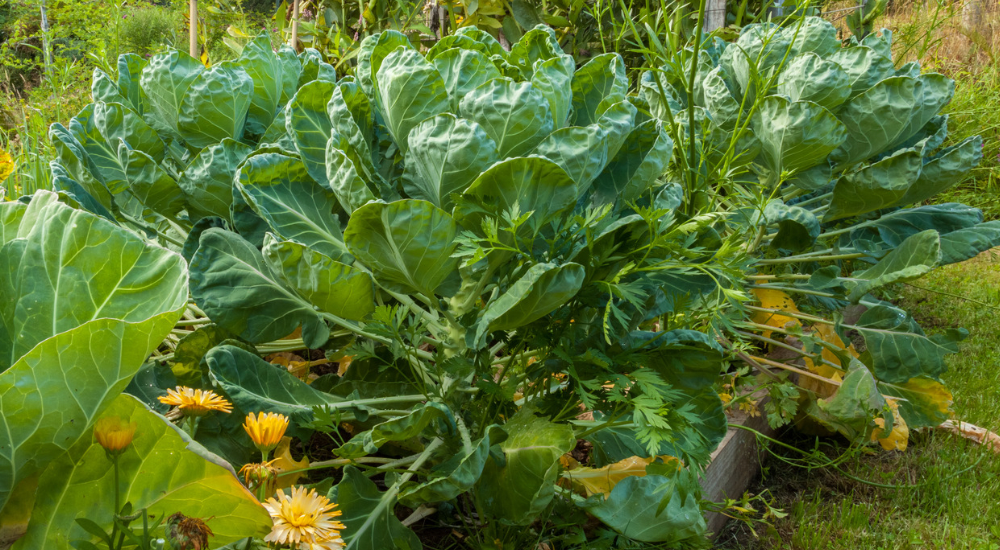 Brussels Sprouts
Brussels sprouts are one of the great slow-burn crops of the vegetable garden. They take time to mature, but that patience is rewarded when cool autumn weather arrives.
The small sprouts develop along the stem from the bottom upward, and cool conditions can help mellow their strong cabbage-family flavour. Rather than rushing to harvest the entire stalk at the first cool dusk, gardeners can pick firm, well-sized sprouts from the bottom as they mature.
Brussels sprouts are among the hardiest late-season vegetables. University of Minnesota Extension lists them as capable of tolerating temperatures around 20°F, or roughly -7°C, in appropriate conditions. That does not mean every plant will thrive through a prolonged freeze, but it does show why they are such a dependable choice for late-season gardens.
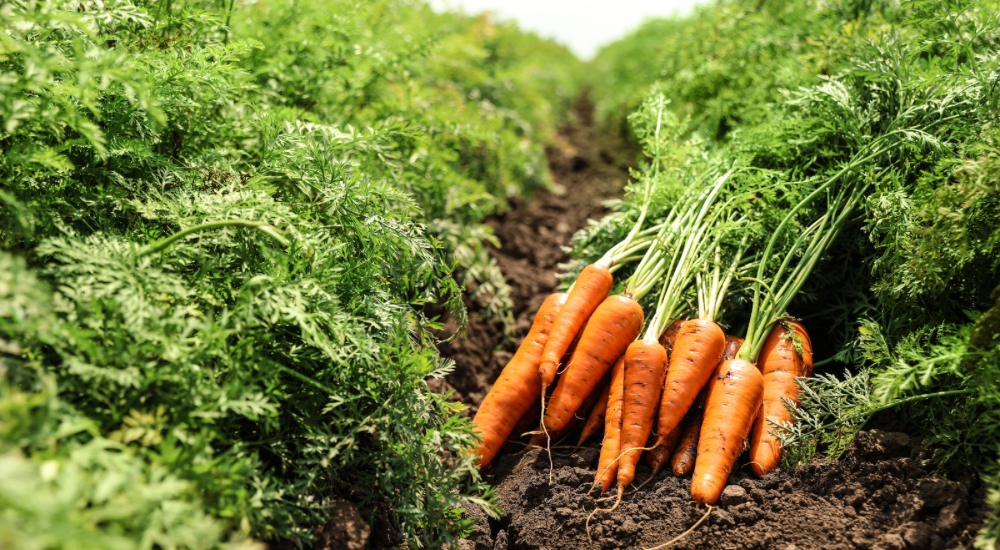 Carrots
Carrots have a quiet advantage in autumn: the soil protects the edible portion. As the air becomes colder, the root can remain insulated below ground while its flavour continues to develop.
Cool temperatures can increase sweetness in the roots, and mature carrots can often be left in the garden through light frost. A layer of mulch can help buffer the soil against sharp temperature swings and make the harvest window easier to manage.
Harvest when roots have reached a useful size and before the ground freezes hard enough to make digging difficult. Loosen the soil with a garden fork rather than tugging on the tops, especially in heavier soil, to avoid snapping the roots.
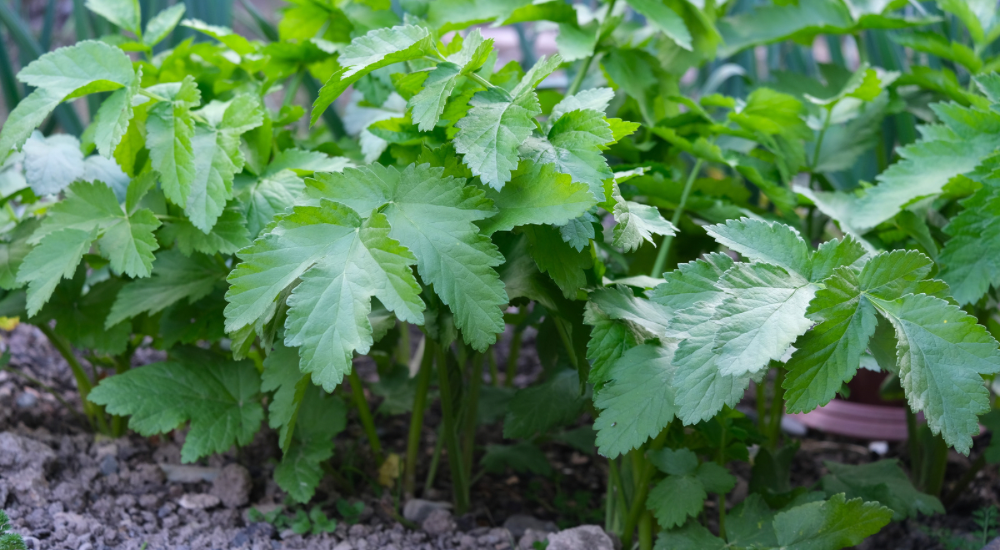 Parsnips
If one vegetable deserves to be called autumn’s dessert root, it is the parsnip. Cold is not simply something parsnips tolerate; it is part of what helps them develop their characteristic sweetness.
When the root is exposed to cold soil, stored starches convert into sugars. University of Minnesota Extension specifically recommends leaving parsnips in the ground until late fall or even early spring because colder soil increases sugar content and improves flavour.
For Alberta gardeners, the practical challenge is timing. Parsnips need a long growing season, so plant them early enough to size up before autumn. Once mature, however, they can remain in the soil later than many other crops. A deep mulch can help insulate the bed, although frozen ground may still make winter harvesting impractical.
 Beets
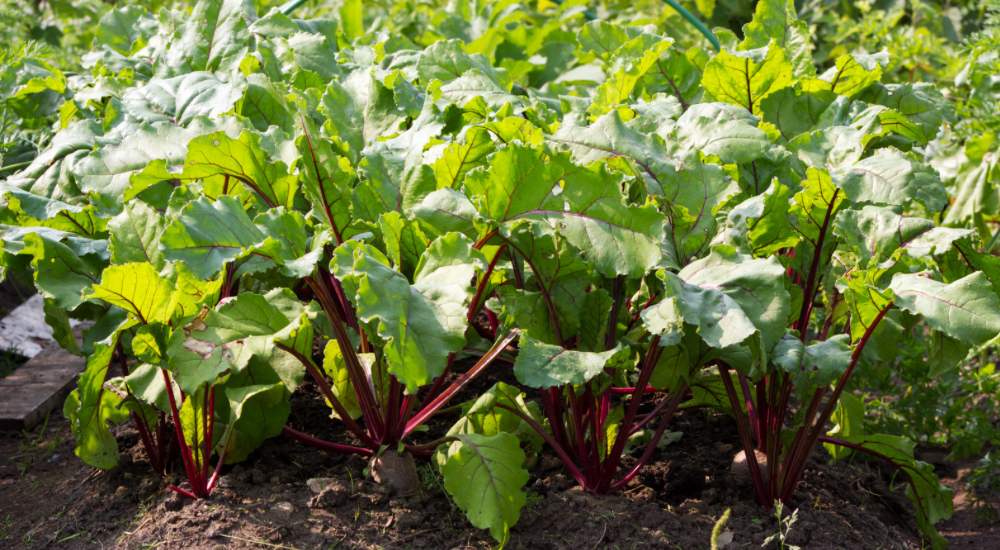
Beets
Beets fall between delicate greens and truly rugged brassicas. They appreciate cool weather and can tolerate some frost, but they should not be treated as invincible.
Their roots can remain in the soil through cool autumn conditions, while the tops may show damage sooner if temperatures become severe. University of Minnesota Extension lists beets as able to survive temperatures in the upper 20s Fahrenheit, making them useful for extending the harvest beyond the first hint of frost.
Harvest mature roots before a prolonged hard freeze. Smaller, younger beets roast well whole, while larger roots store well when harvested carefully and kept cool after you remove their tops.
 Spinach and Other Leafy Greens
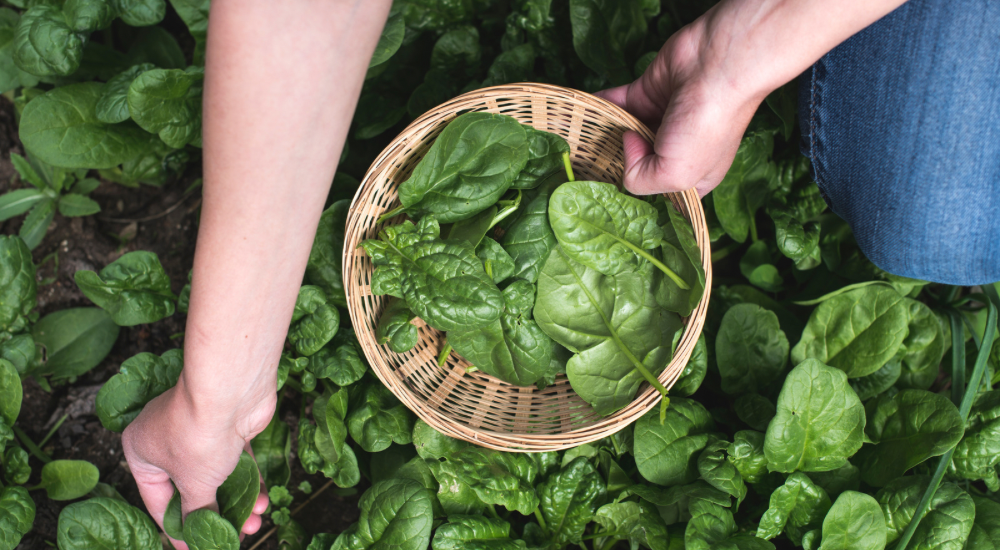
Spinach does well in weather that makes tomatoes sulk. It germinates and grows best in cool conditions, and mature plants can tolerate light frost. Lettuce, mustard greens, Swiss chard, and other leafy crops also offer opportunities for a longer autumn harvest, though their tolerance differs.
Spinach is notably beneficial because it grows quickly and can be sown for successive harvests. University of Minnesota Extension notes that spinach can survive light frost and, under appropriate conditions, may even overwinter.
Harvest leafy greens when the leaves are crisp and fully thawed. Avoid handling foliage while it is frozen, because frozen plant tissue is more vulnerable to bruising and breakage.
Light Frost vs. Hard Freeze: Know the Difference
A frosty lawn does not automatically mean every vegetable in the garden has experienced the same level of cold. Temperatures can vary between an official weather station and a backyard, and even within the yard itself. Low spots collect cold air, sheltered beds may stay warmer, and raised containers can cool more quickly because their root zones are exposed on several sides.
For practical garden planning, a light frost generally refers to a brief temperature dip near or just below 0°C. Sensitive warm-season plants may be damaged at this point, while cool-season crops often tolerate it. A harder freeze brings colder temperatures and greater risk because plant tissues remain frozen longer. University of Minnesota Extension uses about 28°F, or -2.2°C, as a hard-frost benchmark in its garden guidance, while Alberta Agriculture points out both severity and duration when defining a killing frost.
The distinction matters because cold tolerance differs by crop. Kale may remain sound after weather that destroys basil. A mature carrot root may be protected underground while exposed beet tops are damaged. Spinach may recover after a light frost while cucumber foliage collapses.
Watch the overnight low, but also pay attention to how long temperatures are expected to remain below freezing. A one-hour dip to -1°C is not the same event as an entire night at -5°C. Wind, cloud cover, soil moisture, and garden location can also affect how quickly plants cool.
When Should You Harvest After Frost?
Harvesting after frost is less about following one universal date and more about reading the crop and the forecast together.
For leafy vegetables such as kale and spinach, allow frozen leaves to thaw naturally before harvesting. Once thawed, assess the texture. Healthy leaves should feel firm and crisp, not limp, translucent, or water-soaked. Pick mature leaves first, and leave the growing point intact if milder weather is expected.
Root crops offer more flexibility. Carrots, beets, and parsnips can remain in cool soil after the first light frosts, as long as the roots are not damaged by deep freezing. Parsnips benefit especially from cold exposure, while carrots can be harvested gradually as needed.
You can also pick Brussels sprouts over time. Start at the base of the stalk, where the largest sprouts mature first, and work upward.
The forecast should always have the final say. If a sharp cold front is expected, harvest crops with uncertain tolerance. Waiting one more night for hypothetical sweetness is not worth losing a bed of mature vegetables. Flavour improvement happens within the larger context of plant survival.
 How to Protect Your Fall Garden From a Hard Freeze
Protection does not have to turn the vegetable patch into a construction project. A few simple tools can buy valuable time.
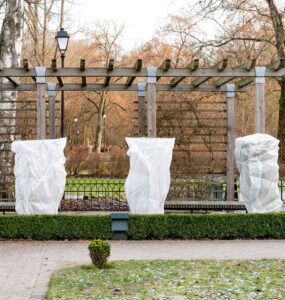
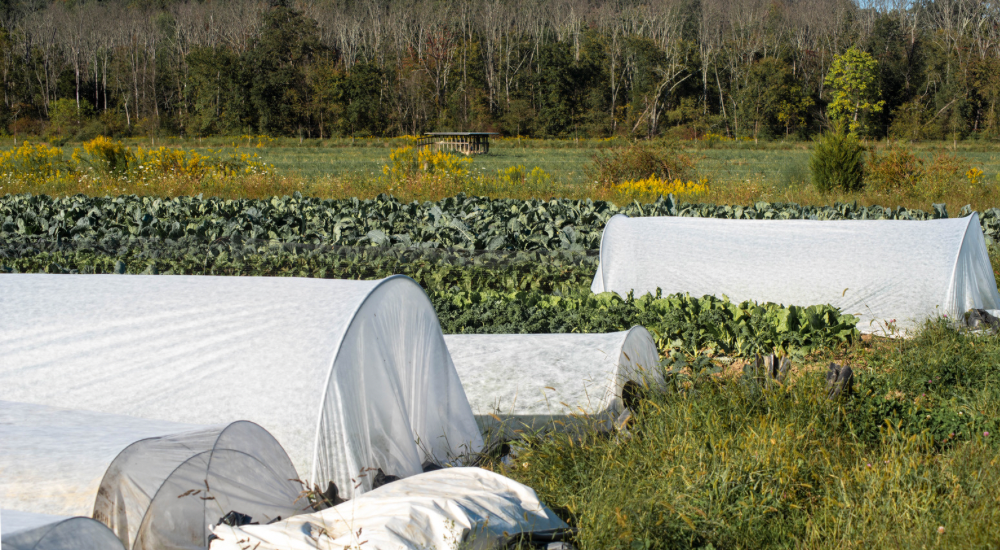
Row covers and frost blankets trap some heat from the soil and reduce exposure to cold air. Place covers over crops before evening temperatures drop, secure the edges so cold air doesn’t slip underneath, and support the fabric where possible so it doesn’t crush delicate foliage.
Mulch is especially useful around root vegetables. A generous layer of clean straw, shredded leaves, or another suitable organic mulch helps moderate soil temperature and can delay deep freezing around carrots and parsnips. It does not make the soil permanently frost-proof, but it can extend the harvest window.
Containers require special attention because the root ball cools faster than soil in the ground. Move portable pots into an unheated garage, shed, cold frame, or another protected location during severe weather. Even moving containers against a building can reduce exposure, although tender plants should still be brought somewhere safely above their damage threshold.
When severe freezing is forecast, harvest what is ready. A basket of beets in storage is more useful than a row of frozen roots left in the ground out of stubborn optimism.
Planning a Sweeter Fall Harvest
A successful autumn garden begins long before the first frost appears on the lawn. The goal is to have cool-season crops reaching maturity just as daytime temperatures moderate and nights begin to cool.
Start by choosing varieties with days-to-maturity figures that fit your local season. Work backward from when frost becomes increasingly likely, allowing extra time because growth slows as daylight decreases and temperatures fall.
Succession sowing is especially helpful for spinach, radishes, leafy greens, and other quick crops. Rather than planting everything on one date, sow smaller amounts at intervals so the garden produces several harvest waves.
Group crops according to cold tolerance when possible. Keeping hardier crops together and more vulnerable crops in another bed makes frost protection much easier. One well-placed row cover can protect the plants that need it, rather than forcing you to cover the entire garden.
For gardeners researching fall gardening in Alberta, the most useful mindset is flexibility. Plan for a long autumn, but be ready for a short one. Keep frost cloth, harvest baskets, pruners, a garden fork, labels, and storage containers within easy reach as nighttime temperatures begin to drop.
Edmonton/Alberta Gardening Considerations
Autumn in the Edmonton region rarely follows a perfectly gradual script. A pleasant afternoon can be followed by a frosty night, and an early cold snap can arrive before the garden looks remotely finished. Alberta’s climate data also shows that frost dates are probabilities rather than promises; local topography and air drainage could create meaningful differences from one neighbourhood or property to another.
That variability is why crop selection matters. When searching for cold-weather vegetables Alberta gardeners can rely on, prioritize crops that mature in cool conditions and have known frost tolerance: kale, spinach, carrots, beets, hardy brassicas, radishes, and properly timed parsnips are strong candidates.
Planting dates matter just as much as hardiness. A vegetable may tolerate frost beautifully but still fail to produce a useful harvest if you seed it too late to mature. Plant fall crops early enough that their main growth occurs while there is still sufficient warmth and daylight.
Watch local forecasts closely once overnight lows begin approaching freezing. If the forecast predicts a brief light frost followed by milder weather, hardy crops may be worth leaving in place. If a prolonged freeze is approaching, shift from season extension to harvest mode.
Frost blankets, low tunnels, and mulch can stretch the season, but they buy time rather than defeat winter. In central Alberta, the gardener’s advantage comes from recognizing that narrow window between summer’s decline and winter’s arrival—and using it well.
 Let Autumn Put the Finishing Touch on Your Harvest
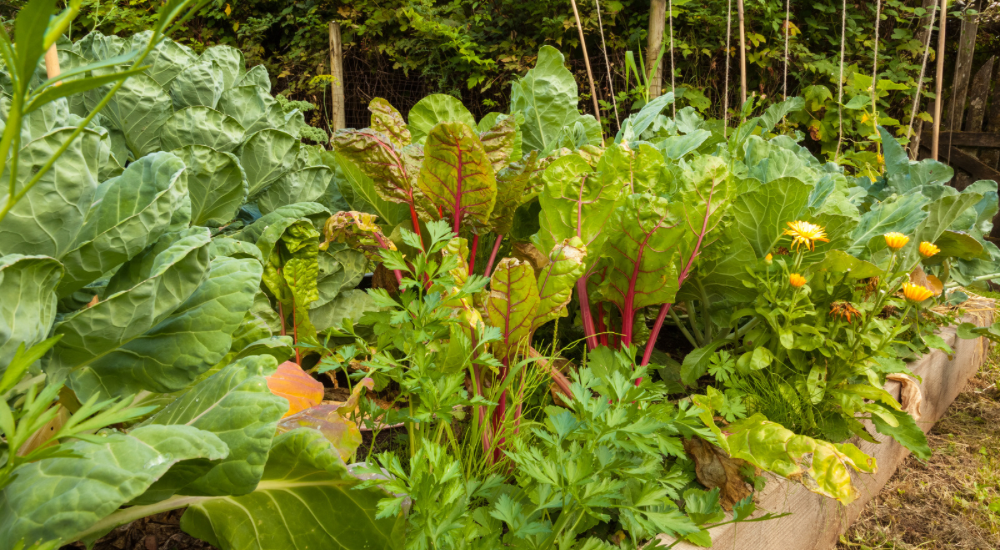
By late autumn, the garden has changed its voice. The exuberance of July has faded, seed heads rattle in the breeze, the soil cools, and every clear night seems to carry winter a little closer. Yet this quieter season can produce some of the year’s most rewarding food. Kale, Brussels sprouts, carrots, parsnips, beets, spinach, and other cool-season crops prove productivity doesn’t always stop with the first silvering of frost.
The lesson is not to chase freezing temperatures unthinkingly, but to use them intelligently. Choose crops that tolerate cold, understand which vegetables improve after chilly weather, harvest according to maturity and forecast, and have protection prepared when temperatures shift from helpful to hazardous.
For fall vegetables, autumn’s first frost can be less a curtain call than a final flourish—one last transformation before the garden settles into winter. Sometimes, the sweetest harvest is found just beyond the first sign of frost. With frost adding its final touch of flavour to the fall harvest, there’s still plenty to do in the garden—explore practical fall gardening tips for Edmonton to refresh your beds, extend seasonal colour, improve your soil, and set the stage for a thriving spring garden.
Keep Your Harvest Growing
Wondering how long your garden can keep producing this fall? Visit Salisbury Greenhouse in Sherwood Park or St. Albert for row covers, mulch, and expert advice to help you make the most of every harvest before winter arrives. As the autumn garden settles into its cooler rhythm, it’s also the perfect time to look beyond the harvest and give established plants some attention—discover when to divide perennials and refresh crowded garden beds for healthier growth and stronger blooms next season.