Healthy soil lays the groundwork for a thriving landscape, and if you’re ready to take your fall garden beyond the soil, discover more fall landscaping ideas for a colourful yard that bring seasonal colour, texture, and beauty to your outdoor space.
Give Your Soil a Fresh Start
Knowing how to improve garden soil in fall starts with seeing autumn not as the end of the gardening season, but as the beginning of what comes next. As flowers fade, leaves tumble, and the garden settles into its quieter colours, the ground beneath it remains part of the story. Soil is the foundation underneath every future bloom, vegetable harvest, perennial border, and healthy shrub. The care it receives before winter can influence how confidently the garden wakes in spring.
Fall offers gardeners an easy-to-overlook opportunity. Cooler weather makes garden work more comfortable, beds are becoming easier to access, and organic materials added now have time to settle and begin integrating into the soil before the next growing season arrives.
Healthy soil does far more than hold plants upright. Its structure determines how easily roots can move, how well water drains or remains available, how nutrients cycle, and how effectively beneficial microorganisms can function. Soil high in organic matter can act like a reservoir, holding moisture when plants need it while still keeping the pore spaces needed for oxygen and healthy root development.
A few thoughtful autumn tasks can therefore accomplish much more than a perfectly tidy garden ever could. Compost, organic matter, mulch, selective cleanup, and minimal disturbance can all help create soil that enters winter protected rather than depleted.
Why Fall Is the Perfect Time to Improve Garden Soil
Spring often receives most of the gardening attention. It is the season of planting lists, seed packets, new perennials, and ambitious plans. But many of the conditions that determine spring success can be created months earlier.
Adding organic materials in autumn gives them time to settle into the garden environment. Finished compost can begin interacting with the upper layers of soil, shredded leaves can slowly break down, and mulch can protect the surface during repeated freezing, thawing, snow, and wind.
That gradual process is one of autumn’s greatest advantages. Instead of trying to correct every soil issue immediately before planting, gardeners can give time and biology a chance to do the work.
Beneficial fungi, bacteria, earthworms, and countless other soil organisms break down organic materials and cycle nutrients into forms plants can eventually use. Their activity naturally slows as temperatures fall, but adding suitable organic material before winter creates resources that can continue supplying the soil as conditions allow.
Fall work can also ease spring gardening pressure. Beds that have already received compost and protection require less scrambling once the soil warms. Rather than starting spring by hauling amendments, repairing erosion, and dealing with compacted surfaces, you could concentrate more on planting and enjoying the season ahead.
Perhaps most importantly, autumn encourages gardeners to think beyond feeding individual plants. Good soil preparation means creating a setting where roots, water, air, minerals, and microorganisms can work together.
How to Improve Garden Soil Naturally
Improving soil does not necessarily require dramatic intervention. In many established gardens, the most effective approach is gradual: add good material, protect what is already there, and let natural processes do some of the heavy lifting.
Add Compost
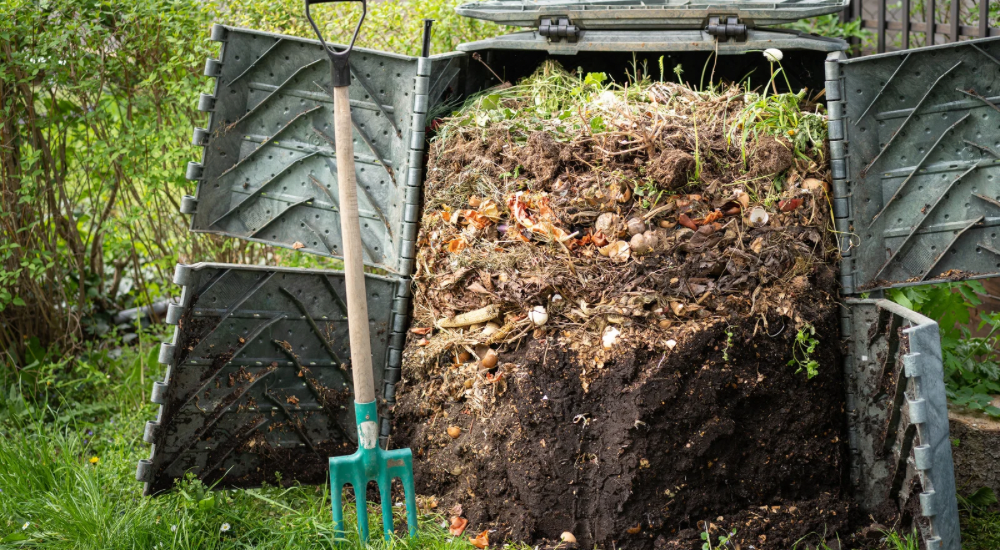
Finished compost is one of the most useful additions a gardener can make to a garden bed.
Good compost adds decomposed organic matter while supporting the soil’s physical and biological qualities. In heavier soils, organic matter can improve aggregation and pore space. In lighter soils, it can increase the soil’s ability to retain moisture and nutrients.
The important word is finished.
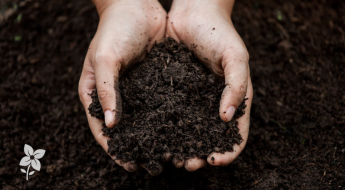
Mature compost should be dark, crumbly, and earthy-smelling, with most of its original ingredients no longer easily recognizable. Fresh or unfinished compost may still be actively decomposing and might create conditions less suitable for established plant roots.
In vegetable beds or annual planting areas, spread a modest layer over the soil surface after you remove crops. Depending on the bed’s condition, about 2.5 to 5 centimetres may be enough. It does not need to disappear beneath the soil immediately.
Instead of aggressively rototilling the entire bed, gently incorporate compost into the upper few centimetres where needed, or leave it on the surface beneath mulch and let natural processes gradually integrate it.
Around established perennials, shrubs, and trees, work carefully. Their roots may extend surprisingly close to the surface, and deep digging can cause more harm than benefit.
Add Organic Matter
Compost is only one source of organic material.
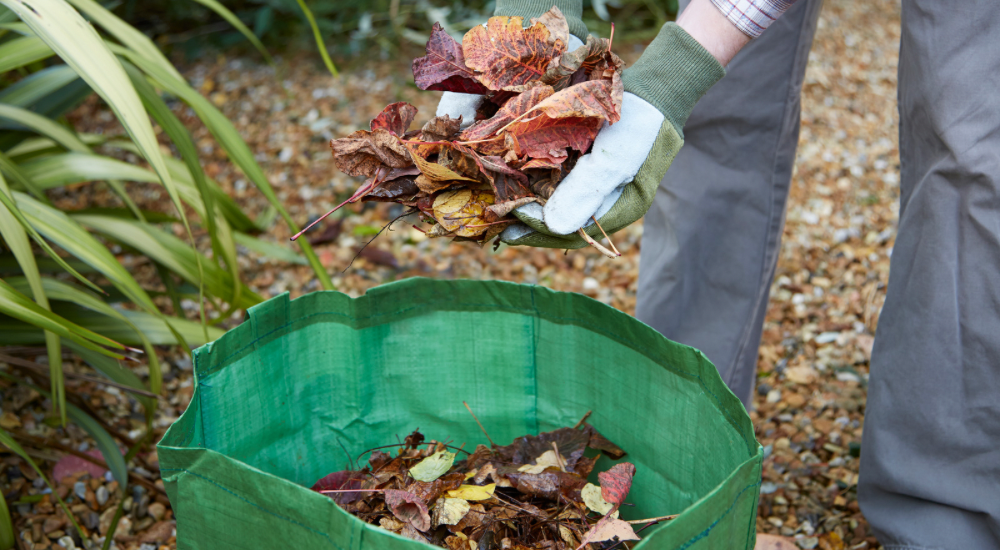
Shredded fall leaves are one of the most abundant soil-building resources available to homeowners, and yet bags of them are frequently sent away every fall. You can chop healthy leaves with a mower or leaf shredder and use them in garden beds or add them to compost piles.
Shredding helps prevent large leaves from forming dense mats and increases the surface area available to decomposers.
Well-aged organic materials and properly composted plant matter can also support healthier soil. Over time, these materials help encourage aggregation—the formation of small soil clusters that create spaces for both water and air.
That is especially valuable in gardens where soil tends to become dense or difficult to work.
Organic matter also functions like a sponge. It can help soil hold moisture during dry periods without creating the same waterlogged conditions that poorly structured, compacted ground sometimes develops.
The goal is not to transform the soil overnight. Improving soil quality is usually a long-term process, and steady additions of appropriate organic material often produce better results than one aggressive attempt to remake an entire garden bed.
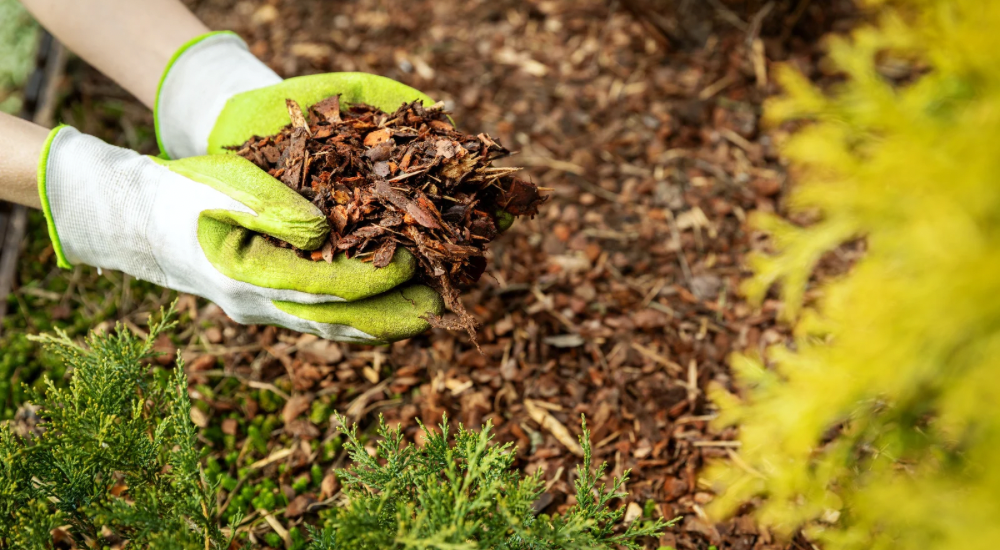
Use Mulch
If compost feeds the soil, mulch protects it.
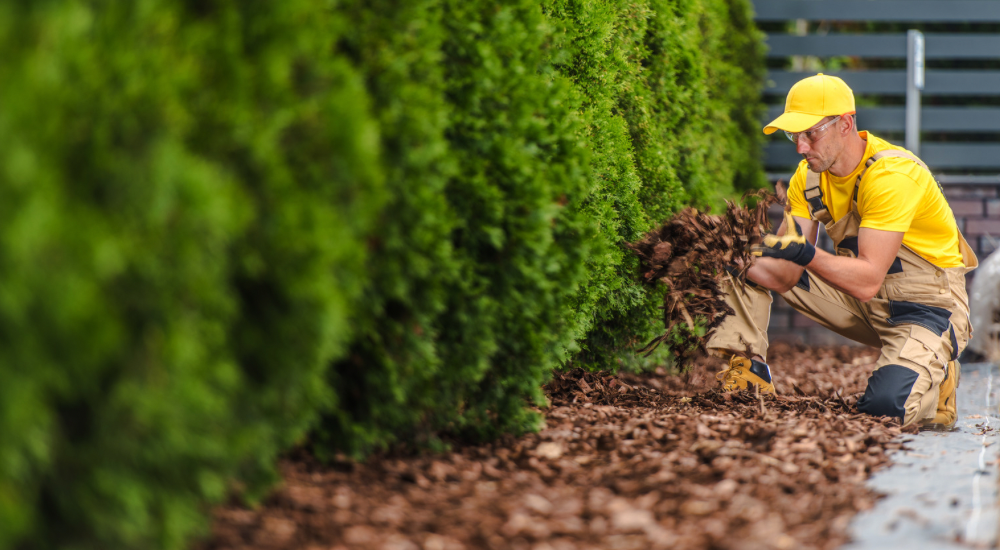
Think of mulch as the winter coat you give your garden after the growing season begins to close. A layer of organic mulch can moderate rapid temperature changes near the soil surface, reduce erosion, limit moisture loss, and shield the ground from the direct impact of rain and melting snow.
In perennial and shrub beds, a layer approximately 5 to 8 centimetres deep is generally useful, depending on the mulch material and existing conditions.
More is not necessarily better.
Extremely thick mulch can interfere with air and water movement and may create overly wet conditions around certain plants. Also, pull mulch slightly away from perennial crowns and keep it away from direct contact with tree and shrub trunks.
The familiar mulch volcano piled against a tree trunk is not protective. It can trap moisture against bark that was never designed to remain buried.
Instead, spread mulch broadly and relatively evenly. Protect the root zone, not the trunk.
Protect Your Soil Through Winter
Bare ground may look neat, but from a soil-health perspective, exposed soil is vulnerable soil.
Wind can move fine particles. Rain and melting snow can affect the surface. Repeated freezing and thawing can alter exposed ground, while unprotected soil has nothing buffering it from the extremes of an Alberta winter.
Instead of sending your soil into winter exposed and vulnerable, tuck it beneath a protective layer of mulch or living roots.
For many Edmonton gardens, shredded leaves, compost topped with mulch, or another suitable organic mulch will be the most practical solution.
Cover crops can provide another option, particularly in vegetable gardens and larger annual beds. Cover crops develop root systems that help hold soil in place and add organic material.
Their roots can create channels through the soil and feed soil organisms as they grow and eventually decompose.
Timing, however, matters greatly in a short northern growing season.
Gardeners interested in cover crops should select varieties that establish well under local conditions and sow them early enough to develop before sustained cold arrives. Some crops may winter-kill naturally, leaving residue that protects the bed. Others may require management before they interfere with spring planting.
Because Edmonton’s growing season closes quickly, treat cover crops as a planned technique rather than a last-minute addition after the garden is already freezing.
For gardeners researching garden soil preparation in Edmonton, local climate should always factor into the decision. A technique that works beautifully after an October planting in a much warmer region may not have sufficient time to establish here.
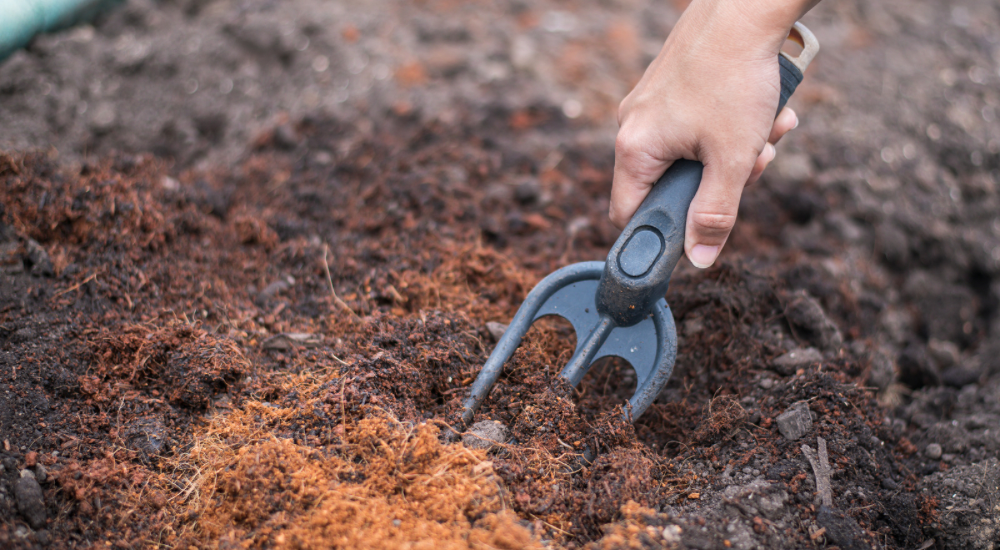 Don’t Overwork the Soil
Gardeners have traditionally been taught that a productive bed should be deeply turned, churned, and loosened every season.
Sometimes cultivation is useful. Constant cultivation is another matter.
Soil has structure. Aggregates, pores, roots, fungal networks, and biological communities form a living architecture below the surface. Excessive tilling repeatedly dismantles that architecture.
Frequent deep cultivation can break apart soil aggregates, accelerate organic matter breakdown, and disrupt mycorrhizal networks and organisms living within the soil.
That does not mean gardeners should never use a shovel.
If a new bed is badly compacted, drainage needs correction, or an amendment genuinely needs incorporation, some digging may be appropriate. The important distinction is between working with the soil and working against it.
Use the lightest intervention that solves the problem.
In established beds, you can use a garden fork carefully to loosen severely compacted areas without completely flipping the soil profile. You can often add compost near the surface and lay mulch over the top.
Healthy soil does not need to be constantly turned, churned, and rearranged. Sometimes the most productive thing a gardener can do is disturb it less.
Clean Up Without Stripping the Garden Bare
Fall cleanup does not need to look like a complete evacuation.
There are good reasons to remove some plant material. Foliage showing significant disease generally shouldn’t remain where it can contribute to future problems. Plants heavily affected by pests may also require removal, depending on the pest and plant involved.
But healthy organic material has value.
Autumn leaves can become mulch. Disease-free plant material can be composted. Some healthy perennial stems and seed heads can remain standing where appropriate, adding winter structure while also providing habitat for beneficial insects and food sources for birds.
Even vegetable beds do not need to be polished until every fragment of organic material has disappeared.
The key is discernment.
Remove material that poses a legitimate plant-health concern. Reuse suitable material that can contribute organic matter. Shred leaves rather than allowing thick mats of whole leaves to smother low-growing plants.
Fall cleanup should be less about clearing the garden and more about preparing its next chapter.
A garden does not need to look sterile to be ready for winter. In nature, autumn creates layers. Leaves fall, stems remain, organic materials decompose, and nutrients slowly return to the system.
Our gardens can borrow some of that rhythm but without becoming neglected.
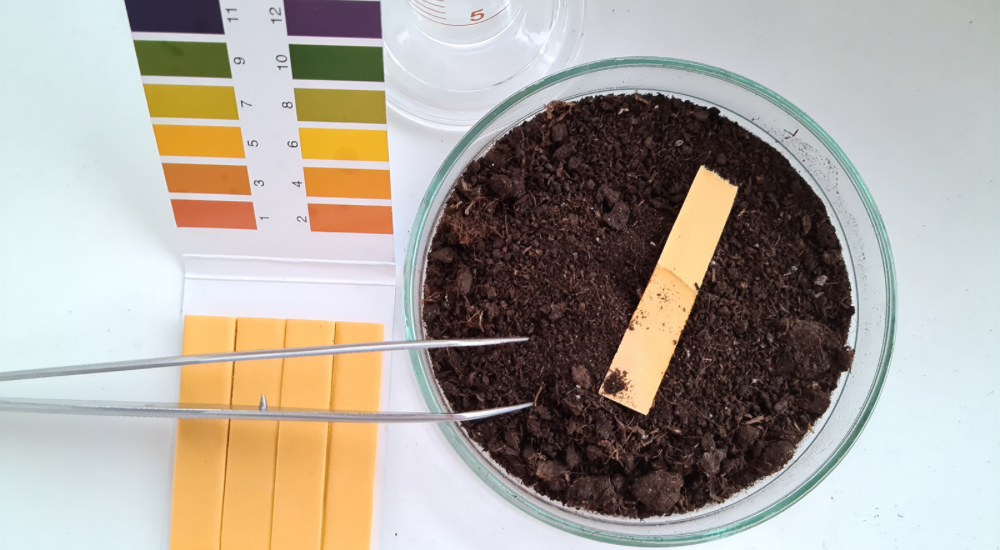 Consider a Soil Test
Before adding bags, buckets, and wheelbarrows of amendments, it helps to know what you are trying to correct.
A soil test can provide useful information about characteristics such as pH and nutrient concentrations. Depending on the testing service, you may also get more information or recommendations.
Soil pH matters because it influences nutrient availability. A nutrient can exist in the ground yet remain less available to plants when soil chemistry is outside the range preferred by the plants being grown.
Testing also helps prevent the common assumption that every struggling garden needs more fertilizer.
Yellow leaves, poor growth, or disappointing flowering can have many causes. Drainage problems, root stress, inappropriate watering, compaction, unsuitable light, or incorrect pH can sometimes produce symptoms gardeners mistakenly interpret as nutrient deficiency.
Adding more fertilizer to a problem that is not caused by a fertilizer shortage can waste money and potentially create new issues.
Edmonton-area soils can vary considerably depending on location, previous construction, imported topsoil, grading, landscape history, and how individual properties have been managed. A test gives you information about your actual soil rather than relying on assumptions.
Common Fall Soil Improvement Mistakes to Avoid
Autumn soil care is generally simple, but enthusiasm can occasionally become the enemy.
Over-tilling garden beds is one of the most common examples. Repeatedly pulverizing soil does not automatically make it healthier. Fine, loose soil may look impressive immediately after cultivation, but long-term structure depends on more than appearance.
Adding too much fertilizer or too many amendments can also create problems. Gardeners sometimes assume that if a little compost, lime, or fertilizer is useful, twice as much must be twice as effective. Soil chemistry does not work that way.
More isn’t always better. Sometimes, healthier soil comes from doing less—but doing it thoughtfully.
Using unfinished compost is another mistake. Give compost time to mature before applying it around established plants.
Leaving soil completely bare removes an important layer of winter protection. Even if you’ve cleaned beds, consider whether mulch, shredded leaves, or another suitable covering can protect the surface.
Applying mulch too heavily creates the opposite problem. Mulch should protect the soil, not bury the garden.
Piling mulch against trunks and crowns can trap moisture where it is not wanted and increase the risk of plant problems.
Removing every fallen leaf wastes a valuable source of organic matter. Healthy leaves can often be shredded, composted, or reused strategically in beds.
Finally, ignoring drainage problems has the potential to undermine every other improvement you make.
If water regularly pools in a bed, plants struggle because roots need oxygen as well as moisture. Adding more organic material may help certain soil conditions, but you should identify significant drainage or grading problems rather than disguise them beneath another layer of mulch.
How Fall Soil Preparation Leads to a Better Spring Garden
Good autumn soil care is an exercise in delayed gratification.
You may not see dramatic results while spreading compost beneath a grey October sky. Mulched beds may look settled and quiet. But the value of that work becomes clearer when the growing season begins again.
Organic matter can help create soil with better moisture-holding capacity. Improved structure allows roots to explore the soil more effectively. Protected surfaces are less vulnerable to erosion. Nutrients held within organic materials gradually become part of the soil system.
Healthy soil can also make plants more resilient.
Plants growing in well-structured soil have better access to the water, oxygen, and nutrients they need. Strong root systems give plants a better foundation for handling the inevitable stresses of a growing season, from hot weather to temporary dry periods.
Spring work may also become easier. Instead of starting with neglected, exposed beds, gardeners can return to soil that has already been protected and enriched.
Today, the garden may be dressed in autumn gold; next spring, that same soil could become the stage for fresh green growth and another season of colour.
 Let Fall Do Some of the Work
Healthy gardens begin underneath the surface. A productive vegetable bed, a thriving perennial border and a resilient landscape all depend on soil capable of supporting roots, storing moisture, cycling nutrients, and sustaining biological life.
Fall gives gardeners a great opportunity to build that foundation without complicating soil care. Add mature compost where it is needed. Return suitable organic matter to the garden. Protect exposed ground with mulch. Consider cover crops where the climate, timing, and garden layout make them practical. Remove diseased material while keeping healthy organic matter useful and resist the urge to cultivate every bed simply because the season is ending.
The goal is not to force the garden into perfect order before snow arrives. It is to leave the soil in better condition than you found it.
Autumn is a season of transformation, not disappearance. Leaves become organic matter. Old growth becomes compost. Mulch becomes protection. What looks quiet above ground can still lay the groundwork for vigorous roots, healthier plants, and easier gardening when spring returns. With your soil prepared for the seasons ahead, take the next step toward a healthier garden with these practical fall gardening tips for protecting your plants, preparing your beds, and making the most of autumn in the garden.
The best spring gardens often begin with the quiet work done in autumn, and understanding how to improve garden soil now allows winter itself to become part of the preparation for everything your garden will grow next.
If you need help choosing compost, mulch, soil amendments, or other supplies for your fall garden, visit Salisbury Greenhouse for knowledgeable advice and everything you need to get your soil ready for the next gardening season.