Preparing Tender Plants for Life Indoors Before Winter
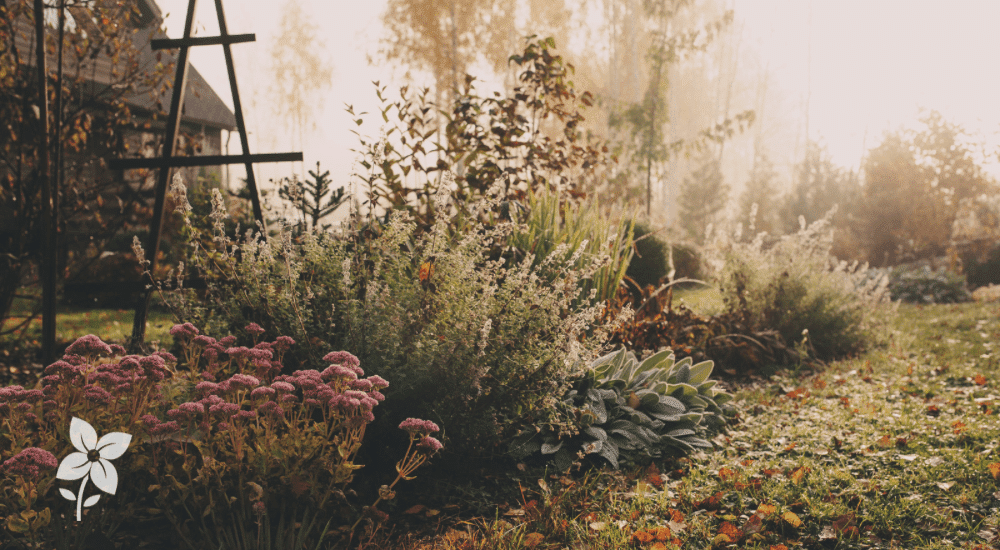
Moving tropical plants indoors before Alberta’s first hard frost is less like carrying furniture across a threshold and more like guiding living things from one climate into another. In late summer, patios and garden beds still feel generous: hibiscus blooms glow in the afternoon light, basil releases its fragrance with every touch, and coleus leaves hold the deep reds, lime greens, and bronze tones of the season. Still beneath that abundance, autumn is already gathering at the edges. Evenings cool more quickly, daylight slips away earlier, and the first breath of frost is never far behind.
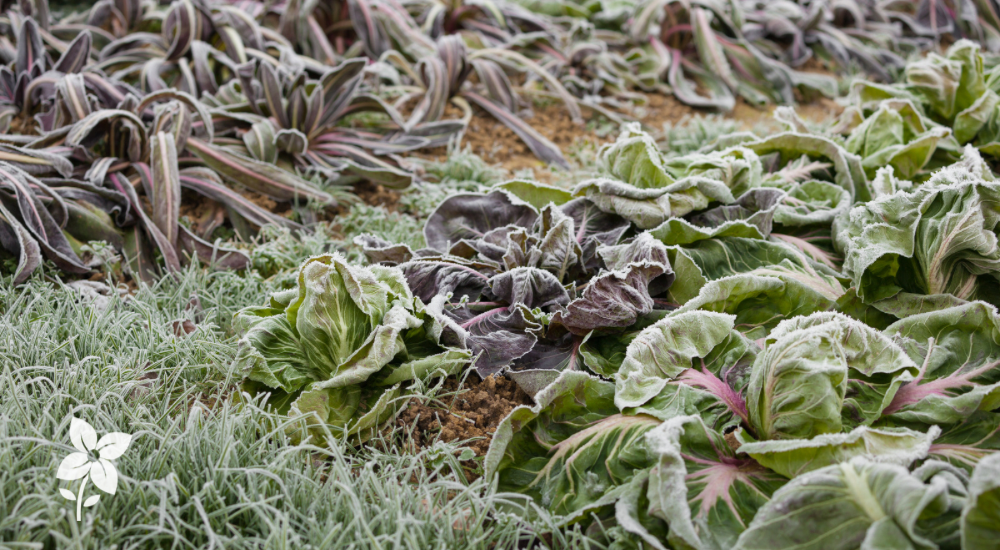
Tender plants are species that cannot withstand freezing temperatures. Many come from tropical or subtropical regions where cold nights, frozen soil, and sudden temperature swings are not part of their natural rhythm. In Alberta, these plants may thrive outdoors throughout summer, but they cannot remain unprotected once temperatures begin to fall. A single frosty night can blacken soft foliage, collapse water-filled stems, and damage roots in containers. As you prepare your favourite plants for the season ahead, don’t forget that the garden’s final harvest deserves care too—discover simple ways to preserve vegetables, dry herbs, and capture the flavours of summer so your garden’s bounty can continue bringing joy long after the growing season ends.
The secret is preparation. Successful overwintering does not begin when a frost warning appears; it begins days or even weeks earlier, while plants are still healthy and conditions are manageable. By inspecting, cleaning, pruning, and gradually acclimating each plant, gardeners can reduce shock, prevent indoor pest problems, and give their favourites a stronger chance of reaching spring in good condition.
 What Are Tender Plants—and Why Do They Need Protection?
Tender plants are plants that are injured or killed by cold temperatures that hardy perennials can survive. Hardy perennials in Alberta are adapted to winter dormancy. Their stems may die back, but their crowns and roots are equipped to endure frozen ground, snow cover, and long periods of cold.
Tropical and subtropical plants are different. Their tissues are built for warmth, and many continue active growth as long as light, moisture, and temperature allow. They have not developed the dormancy mechanisms or cold tolerance that allow hardy Alberta plants to survive winter outdoors.
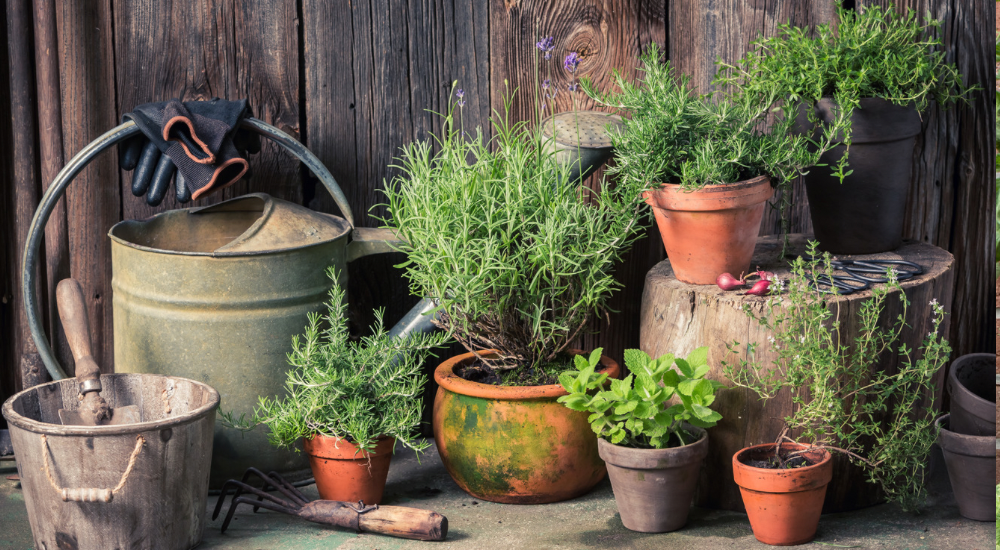
Common tender plants grown in containers or garden beds include:
- Hibiscus
- Mandevilla
- Coleus
- Palms
- Elephant ears
- Begonias
- Basil
- Rosemary
- Parsley
Some of these plants can be kept indoors as actively growing houseplants. Others may be allowed to rest in a cooler, dimmer space. The best approach depends on the plant’s growth habit, storage needs, and the conditions available in your home.
Hibiscus and mandevilla often perform best in the brightest indoor location possible. They may drop some leaves during the transition, but healthy plants can continue growing slowly through winter.
Coleus can be maintained as a compact potted plant or propagated from cuttings. Taking cuttings is often a practical option when the original plant has become too large to bring indoors.
Palms usually prefer steady warmth, bright indirect light, and moderate humidity. Their foliage can be sensitive to cold drafts and extremely dry indoor air.
Elephant ears may be kept growing indoors or stored as dormant corms, depending on the variety and the space available. Begonias also vary. Fibrous types can remain in active growth, while tuberous begonias are often allowed to enter dormancy.
Herbs require individual consideration. Basil dislikes cold and typically declines quickly as light levels fall. Gardeners may have better success taking cuttings, harvesting the remaining leaves, or starting a fresh indoor plant under a grow light.
Rosemary can overwinter successfully when given bright light, cooler temperatures, good air circulation, and careful watering. Parsley tolerates cool conditions better than basil but still benefits from protection once frost threatens.
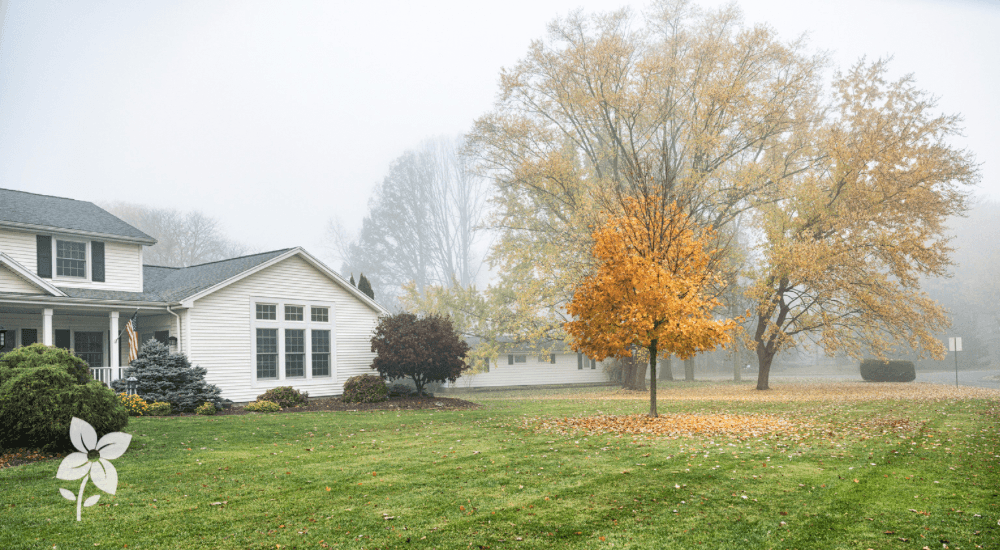
Sherwood Park’s first frost can arrive while gardens still look lush and productive. That contrast is what makes the transition easy to underestimate. A sunny afternoon may feel like summer, while the temperature after midnight may fall close to freezing.
Container plants are particularly vulnerable because a relatively small volume of soil surrounds their roots. Potting soil can cool much faster than the ground, leaving roots exposed to sudden temperature drops.
To overwinter tender plants successfully, begin by deciding which plants are healthy, valuable, and realistic to maintain. Indoor space, window exposure, humidity, plant size, and pest history all matter. Bringing every plant inside is not always practical. Choose strong specimens and focus your effort where it is most likely to succeed.
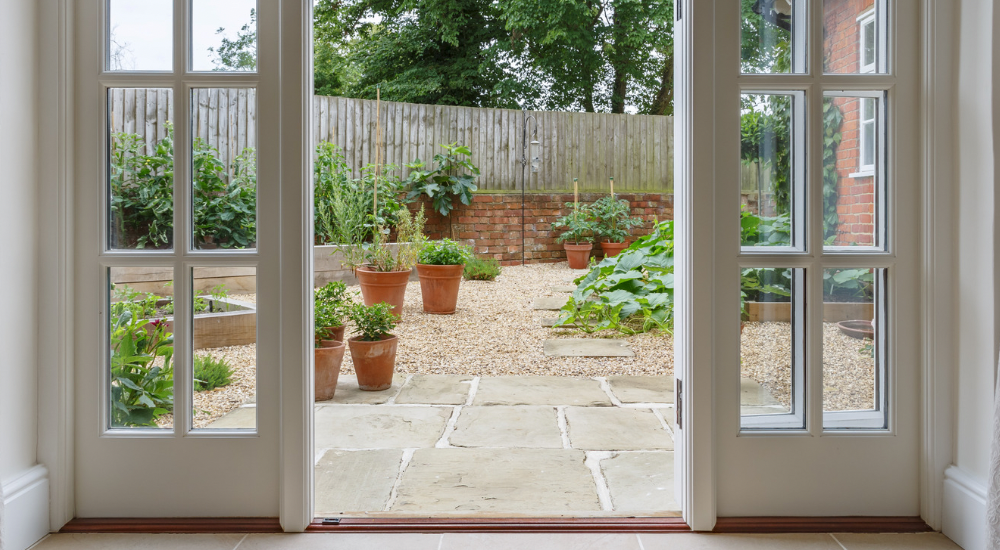 Timing Matters: When to Bring Tender Plants Indoors
The calendar can offer a general reminder, but overnight temperatures should guide the decision. Alberta autumns do not always arrive gradually. Warm afternoons can quickly give way to chilly evenings, and a sudden frost can arrive before the garden appears ready.
Many tropical plants begin to experience stress when nights consistently fall below approximately 10°C. Some may tolerate brief periods of slightly cooler weather, but cold-sensitive foliage can yellow, drop, or stop growing long before frost appears.
Particularly sensitive plants, including basil, coleus, tropical hibiscus, and mandevilla, should be moved into protection before nighttime temperatures regularly fall below this range. Waiting for a frost warning may leave very little time to inspect and prepare them properly.
Begin the transition while daytime conditions are still mild. A gradual move gives plants time to adjust to lower light, drier air, and reduced temperature fluctuations.
Start by moving containers from full sun into a sheltered area with bright, indirect light for several days. A covered porch, protected patio, unheated sunroom, or location beside the house can act as a halfway point between the open garden and the indoor environment.
This gradual reduction in light helps plants begin adjusting before they cross the threshold. A plant moved directly from intense outdoor sunshine into a dim room may suddenly lose leaves because it can no longer produce enough energy to support them.
Watch for signs that growth is slowing. New leaves may emerge less frequently, flowering may taper off, and containers may take longer to dry between waterings. These changes are not necessarily signs of poor health. They often indicate that the plant is responding to shorter days and cooler nights.
Some plants may also begin preparing for dormancy. Tuberous begonias may yellow and lose foliage, while elephant ears may slow their growth considerably. Allowing plants with a natural dormant period to rest can be healthier than attempting to force active growth through winter.
In Sherwood Park, autumn weather can change sharply. A sudden cold front may follow a stretch of warm days, so waiting for visible frost is risky. When bringing plants indoors for winter, it is better to move a healthy plant slightly early than to attempt to rescue a chilled plant after damage has occurred.
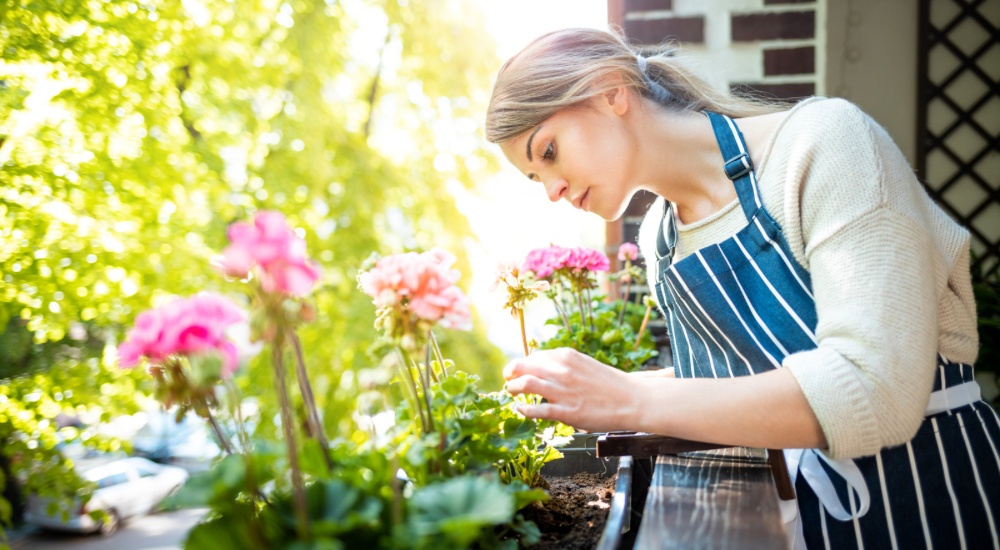 Inspect Before They Cross the Threshold
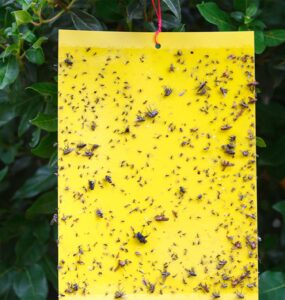
Every leaf tells a story—take time to read it before it comes inside. Before bringing tender plants indoors, give them a careful inspection from leaf to root—learn how a mid-summer pest check can help identify aphids, mites, caterpillars, and other garden invaders early, keeping your plants healthy as they transition into their indoor season.
Outdoor plants host an entire small world. Some visitors are harmless, some are beneficial, and some can become serious pests once they enter a warm home without rain, wind, or natural predators to keep their numbers in check.
A few aphids hidden on tender growth can multiply rapidly. One cluster of scale insects tucked along a stem can spread to nearby houseplants. Spider mites, almost invisible at first, can flourish in the warm, dry air of a heated room.
Inspect plants in bright daylight. Begin with the upper leaf surfaces, looking for pale speckles, yellow patches, distorted growth, holes, webbing, or sticky residue. These small clues often reveal a problem before the insects themselves become obvious.
Turn every leaf over and examine the lower surfaces and veins. Many pests shelter beneath foliage, where they are protected from rain and predators. Pay close attention to stems, branch joints, flower buds, and soft growing tips.
Common pests to watch for include:
Aphids
Aphids are small, soft-bodied insects that often gather in clusters around new growth, flower buds, and leaf stems. They may be green, black, brown, grey, or reddish. Their feeding can cause curling, distortion, and sticky honeydew.
Spider Mites
Spider mites are extremely small and can be difficult to see without close inspection. Their feeding creates fine, pale speckling across leaves. As populations grow, delicate webbing may appear between leaves and stems.
Whiteflies
Whiteflies usually gather on the undersides of leaves. When an infested plant is disturbed, the tiny white insects flutter upward before settling again. Heavy infestations can cause yellowing, weakness, and leaf drop.
Mealybugs
Mealybugs resemble small pieces of white cotton or wax. They often hide in leaf joints, along stems, and around the base of leaves. Like aphids, they produce sticky honeydew.
Scale
Scale insects may look like brown, tan, grey, or white bumps attached firmly to stems and leaves. Because they remain motionless for much of their lives, they are easily mistaken for part of the plant.
Do not stop at the foliage. Inspect the soil surface, drainage holes, saucers, and lower rim of the pot. Slugs, earwigs, ants, fungus gnat larvae, and other unwanted guests may shelter in damp debris or beneath containers.
Begin cleaning by isolating the plant from indoor houseplants. Remove heavily infested or damaged leaves and place them in the garbage rather than bringing them indoors or adding them to an indoor compost container.
Rinse sturdy plants with a firm but gentle stream of water, paying particular attention to the undersides of leaves and stem joints. Support fragile stems while rinsing so the force of the water does not break them.
For manageable infestations, insecticidal soap may be appropriate when used exactly according to the product label. Complete coverage is important because many contact treatments must touch the pest to work. Repeat inspection and treatment according to the directions, since eggs and immature insects may survive the first cleaning.
A quarantine period is wise even when plants appear clean. Keep newly moved plants separated from established houseplants for at least a couple of weeks and check them regularly. Indoors, one overlooked insect can become an infestation because temperatures are stable, natural predators are scarce, and plants are often positioned close together.
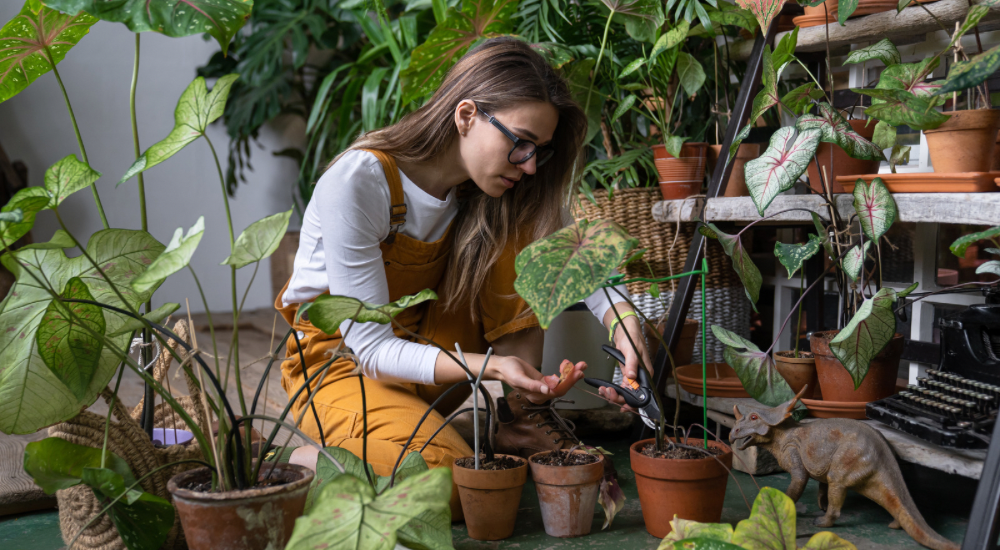 Clean, Prune, and Refresh
Once pests have been addressed, prepare the plant and its container for their new setting. Remove yellow leaves, spent flowers, broken stems, and foliage damaged by wind, insects, or cold.
This cleanup does more than improve appearance. Damaged and decaying plant material can harbour pests and fungal problems. Removing it helps the plant direct its limited winter energy toward healthy leaves, stems, and roots.
Prune lightly rather than dramatically. A modest trim can make a large plant easier to accommodate indoors and reduce the amount of foliage the roots must support under lower light.
Avoid severe pruning unless the species responds well to it or the plant is being prepared for dormancy. Heavy cutting can stimulate soft new growth at precisely the time when natural light is declining. That growth may become thin, pale, and vulnerable to pests.
Remove dead branches by cutting back to healthy tissue. Trim weak or crowded stems selectively to improve air circulation. Always use clean, sharp pruning tools so cuts are smooth and unnecessary damage is avoided.
Wash the outside of each pot with warm water and mild soap, then rinse it thoroughly. Scrub away algae, mineral deposits, soil, cobwebs, and insect debris. Clean saucers as carefully as the containers themselves.
Remove weeds, fallen leaves, dead flowers, and loose debris from the soil surface. Weeds compete for moisture and may carry insects indoors. Decaying material can also encourage fungus gnats and mould.
If the top layer of potting mix is compacted or contaminated with debris, gently remove the upper few centimetres and replace it with fresh potting mix. Avoid digging deeply around the roots unless the plant is being repotted.
Repotting is useful when a plant is severely root-bound, the soil no longer drains properly, roots are visibly rotting, or the potting mix has broken down. However, autumn is not the ideal time for unnecessary repotting.
Moving indoors already creates stress. A major root disturbance adds another challenge at a time when the plant’s growth is naturally slowing. When repotting is necessary, move up only one pot size and choose a clean container with unobstructed drainage holes. Use a high-quality potting mix suited to the plant rather than garden soil, which can compact in containers and may introduce pests.
Clean plants generally adapt more easily because they enter the house with fewer damaged tissues, fewer insects, and less decaying material around their roots. Good Alberta plant care is often less about doing something dramatic and more about removing small sources of stress before they become large problems.
Help Plants Adjust to Indoor Life
Outdoor and indoor environments may exist only a few steps apart, but to a plant they are entirely different worlds.
Outdoors, sunlight is stronger, air moves freely, humidity rises and falls, rain washes the foliage, and roots may dry quickly in the summer heat. Indoors, light is weaker, air is still, humidity is often lower, and soil can remain wet much longer.
Such a transition asks the plant to learn a new rhythm.
Adjust the Light Gradually
Reduce sun exposure gradually before the final move. A sun-loving plant brought directly from a bright patio into a dim room may shed leaves because it can no longer support the same amount of foliage.
Move it first into partial shade outdoors, followed by a bright indoor location. South- and west-facing windows often provide the strongest natural light, although the best placement depends on nearby buildings, trees, curtains, and the plant’s tolerance for direct sun.
Keep foliage close enough to the window to benefit from available light, but avoid pressing leaves against cold glass. Rotate containers every week or two so growth remains balanced rather than leaning heavily toward the window.
If natural light is inadequate, an appropriate grow light can help maintain herbs, coleus, hibiscus, and other plants that might otherwise become thin and weak. Position and operate the light according to its instructions, as different fixtures vary in strength and coverage.
Account for Lower Humidity
Humidity is another major change. Heated Alberta homes can become very dry during winter. Low humidity may cause brown leaf edges, curled foliage, bud drop, or increased spider mite activity.
Grouping plants can create a slightly more humid pocket of air around their leaves. A room humidifier may also help, provided the area still has adequate air circulation.
Pebble trays provide only modest benefits and must be used carefully. The pot should sit above the water rather than directly in it. Roots left standing in water can quickly begin to rot.
Avoid misting as the only humidity strategy. Misting changes humidity for only a brief period and can encourage leaf spotting or disease when foliage remains wet in a cool, poorly ventilated room.
Change Your Watering Habits
Watering must change with the season. Plants growing slowly under lower light use less moisture than they did during long, bright summer days.
Instead of watering according to a fixed calendar, check the soil. Feel below the surface and consider the needs of the individual species. Some plants prefer the upper layer of soil to dry before watering, while others require more consistent moisture.
Water thoroughly enough that excess moisture drains from the bottom of the container, then empty the saucer. Do not allow plants to sit in water.
Constantly wet soil can deprive roots of oxygen and encourage root rot, fungus gnats, and yellow leaves. Excessive watering is one of the most common causes of winter decline, particularly when plants are kept in low light.
Maintain Steady Temperatures
Keep indoor temperatures as steady as possible. Position plants away from cold drafts, frequently opened exterior doors, fireplaces, and hot air blowing directly from furnace vents.
Tropical plants generally prefer warmth, but many overwinter more successfully in moderate temperatures rather than excessive heat. Warm rooms encourage plants to grow, yet winter light may not be strong enough to support that growth.
Rosemary often appreciates a particularly bright, cool location with good air movement. Basil, by contrast, needs warmth and strong light but may still be difficult to maintain through an Alberta winter without supplemental lighting.
Do not be alarmed by some leaf drop. Plants frequently shed older foliage as they adjust to lower light and indoor conditions. The goal is not uninterrupted summer growth. The goal is stability: healthy roots, manageable foliage, and enough stored energy to carry the plant through winter.
Keep Watching Through Winter
The move indoors is the beginning of winter care, not the end. Check plants regularly, ideally whenever you water. Look for new growth, yellowing leaves, wilting, sticky residue, webbing, insects, or changes in soil moisture.
Early detection makes problems easier to correct.
Yellow leaves can have several causes. A few lower leaves may drop naturally during acclimation, but widespread yellowing may indicate overwatering, poor drainage, insufficient light, pest activity, or root stress.
Wilting does not always mean that a plant needs water. Roots sitting in saturated soil can become damaged and fail to absorb moisture, producing symptoms that resemble drought. Always check the soil before reaching for the watering can.
Continue pest inspections throughout winter. Examine leaf undersides, growing tips, and stem joints, especially on plants that spent several months outdoors. Isolate any plant that develops an infestation and treat it promptly according to the pest and product instructions.
Fertilizer needs usually decline during winter. When growth slows because of shorter days, regular feeding can lead to weak, stretched growth or an accumulation of fertilizer salts in the soil.
Pause or reduce fertilizing unless the plant is actively growing under strong natural light or under grow lights. Resume more consistent feeding in spring as daylight increases and vigorous new growth appears.
Humidity and watering requirements may shift as the heating system runs more often. Soil can dry quickly near vents, while containers in cool rooms may remain moist for long periods. Treat each plant as an individual rather than watering the entire collection at once.
Remove yellow leaves and spent flowers promptly, but avoid reacting to every imperfection with fertilizer, extra water, or repotting. Plants need time to settle into their new conditions.
Patience matters. A plant that looks sparse in January may still have a healthy root system and excellent potential for spring. Avoid repeatedly moving it, repotting it, feeding it, and watering it in an attempt to force recovery. Steady, observant care is more effective than constant intervention.
Carrying Summer Forward
Preparing tender plants for indoor life protects more than leaves and roots. It preserves a mandevilla trained through a favourite trellis, a rosemary plant used in family meals, a hibiscus that flowered all summer, or a coleus whose colour transformed a shaded corner. These plants carry memory as surely as they carry chlorophyll.
Thoughtful preparation prevents many of the problems that make winter plant care frustrating. Pest inspections protect the rest of the indoor collection. Cleaning and light pruning reduce stress. Gradual acclimation helps plants adjust to weaker light, drier air, and slower growth. Careful watering and continued observation keep roots healthier until spring returns.
While frost settles quietly across Alberta’s gardens, keeping tropical plants indoors allows their story to continue, filling the home with living reminders that every season holds its own kind of growth.
Bring the Garden Indoors with Confidence
From insecticidal soaps and fresh potting mix to humidifiers, grow lights, and expert guidance, Salisbury Greenhouse has everything you need to help tender plants make a successful transition indoors. Stop by our Sherwood Park or St. Albert location and let our team help you prepare your plants for a healthy winter indoors.