A Garden Does Not End When Autumn Arrives
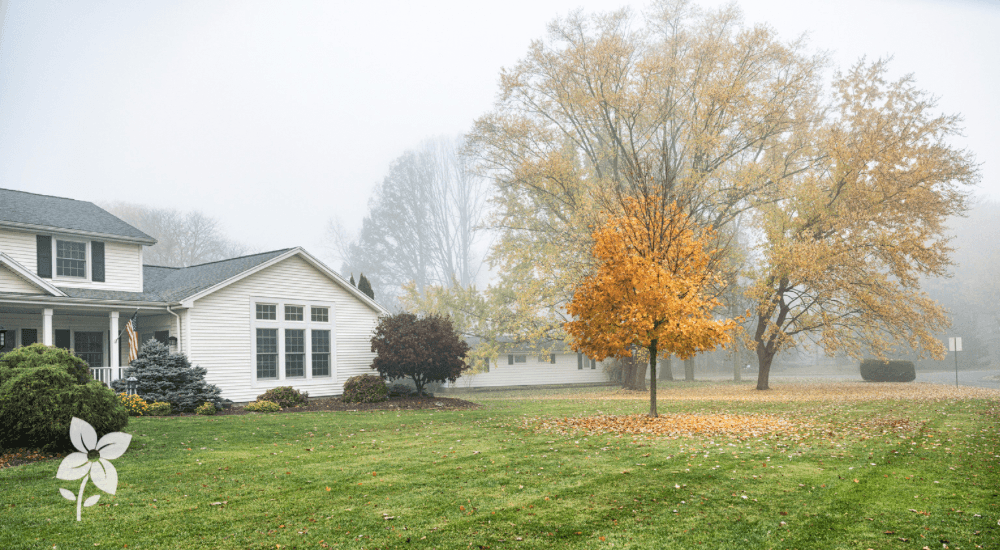
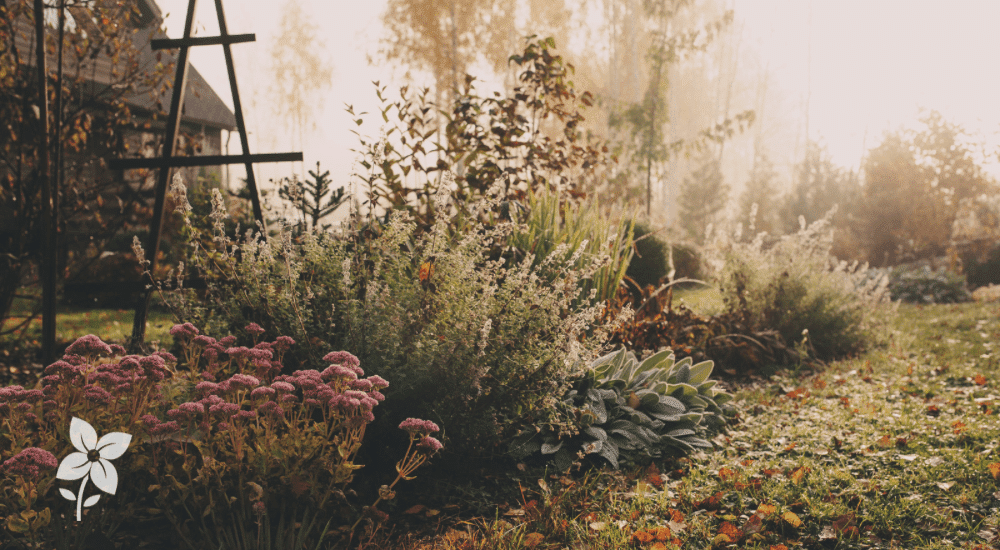
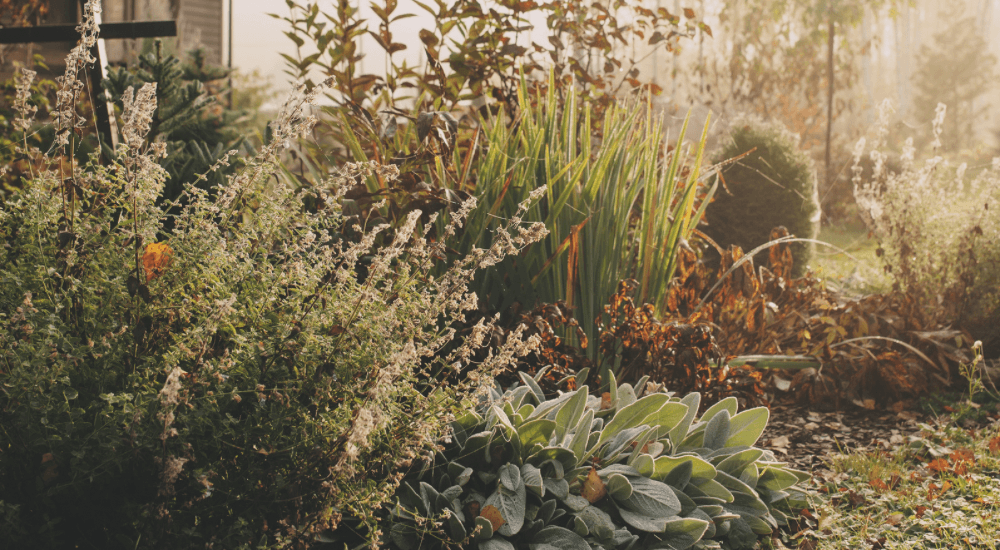
Fall garden cleanup in an Alberta garden is less about removing the season than deciding what deserves to remain after the color begins to fade. By October, the garden has changed its language. Flowers that once shouted in pink, gold, and purple have softened to russet and brown. Ornamental grasses ripple in the wind with a dry, murmuring sound. Seedheads stand above fading foliage, catching the first white edges of frost, while fallen leaves settle into beds and borders like a final layer of autumn fabric.
This is the point in the season when many gardeners feel the common pull to cut everything down, rake everything bare, and send the garden into winter looking as empty and orderly as possible. Yet a garden can be tidy without being stripped of character. The most thoughtful autumn work often comes from restraint.
Some plants benefit from a clean cut. Others are worth leaving alone. A diseased leaf has little value through winter, but a sturdy clump of ornamental grass can become one of the most beautiful features in a snowy yard. A collapsed perennial may need to go, while an upright seedhead can keep contributing texture long after its flowers are gone.
The goal is not neglect. It is discernment. An important difference exists between tidy and overdone, and learning to see it can make autumn work both easier and more rewarding.
Rethinking the Traditional Autumn Cleanup
For years, the standard image of autumn garden work was simple: cut every perennial to the ground, rake the beds clean, bag the debris, and leave behind a blank slate. That approach has its own satisfaction. A bare bed can look orderly and finished.
But finishing is not always the same as beautiful.
When every stem is removed, every grass is sheared, and every standing seedhead disappears, the garden loses the shapes that give it presence in late fall and winter. The beds become flatter. The landscape loses height, movement, shadow, and contrast. What was once a layered composition can become little more than soil and mulch waiting for spring.
Think of the garden as a painting that changes with the seasons. Autumn does not require wiping the canvas clean. Some brushstrokes deserve to remain because they become more interesting in a different light.
That is especially true in Alberta, where winter lasts long enough that garden structure matters. A plant that seems ordinary in October may look striking in January when snow gathers along its stems or frost traces its seedheads. Ornamental grasses can bend and sway above deep snow. Strong perennial stalks can create subtle vertical lines. Even dried flower heads can become sculptural once the landscape turns white.
The point is not to preserve everything. It is to stop assuming that everything must go.

What Should Be Removed in Fall?
A selective plan begins with identifying what actually benefits from removal. The easiest way to decide is to ask whether the material is creating a problem.
Diseased or Infected Foliage
Foliage showing clear signs of disease should usually be removed rather than left in place. Leaves affected by fungal problems, obvious spotting, mildew, or other infection can become part of the debris sitting around the base of a plant.
Remove affected material carefully and keep it separate from healthy plant debris. If you are unsure whether a problem is disease-related, inspect the plant closely before cutting. Healthy natural decline often looks very different from active disease.
Broken or Damaged Stems
Snow, wind, pets, tools, and ordinary wear can leave stems cracked, bent, or partially detached. Damaged material rarely contributes much visually and can collapse into neighbouring plants.
A clean cut removes that clutter and leaves the stronger framework behind.
Collapsed Growth
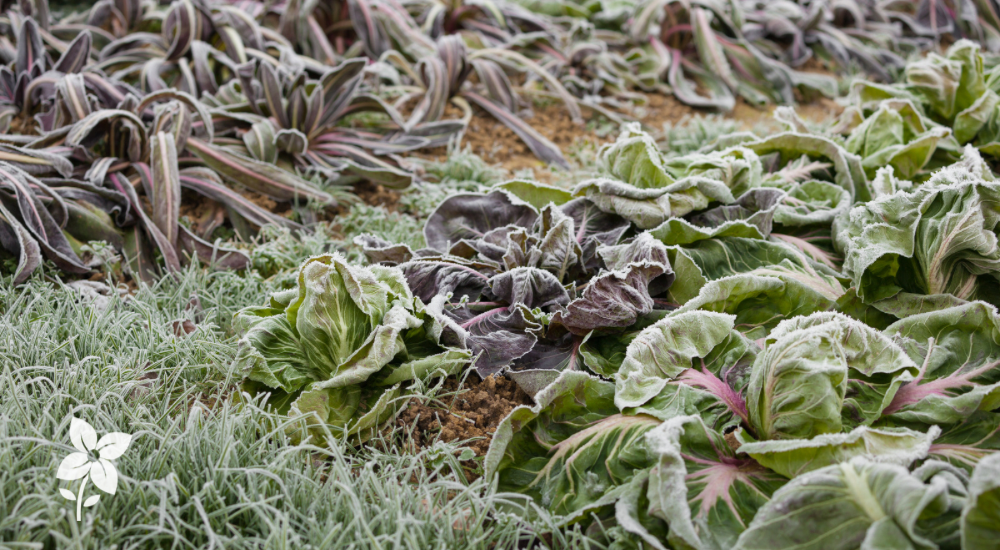
Some perennials do not age gracefully. Once frost arrives, their foliage may melt into a dense, wet mat that sits directly on the plant’s crown.
That kind of growth is often worth removing because it adds no winter structure and can hold moisture against the soil surface. Soft, slimy, collapsed foliage belongs on the cleanup list.
Plant Debris That Could Harbour Problems
Dense piles of fallen material around susceptible plants deserve attention, especially if the plants showed pest or disease issues during the season.
Cleanup should be purposeful. Remove debris when it can create an unhealthy environment or interfere with airflow and sanitation. The goal isn’t to sterilize the garden, but to remove material that has become genuinely problematic.
Weeds That Have Gone to Seed
Autumn weeds can be deceptively easy to ignore because the main growing season is nearly over. However, a weed loaded with mature seed is not finished working.
Removing seed-bearing weeds before winter helps reduce future problems waiting in the soil. Pull them carefully, gather fallen seedheads where practical, and avoid shaking mature seeds over freshly cleaned beds.
This is the guiding principle: cleanup should solve a problem, not simply satisfy the urge to cut.
What Can Stay Standing Through Winter?
Once the obvious problems are gone, the garden becomes much more interesting.
Many plants continue contributing long after flowering ends. Their stems, seedheads, foliage, or overall shape become part of the winter landscape.
Sturdy Perennial Stems
Perennials with firm, upright stems can remain standing if they are healthy and structurally sound. Plants with strong stalks or interesting seedheads often look especially good once frost settles over them.
Instead of seeing these plants as “finished,” think of them as changing roles. They are no longer providing summer bloom, but they may now provide line, rhythm, and texture.
Ornamental Grasses
Few plants earn their place in winter as convincingly as ornamental grasses.
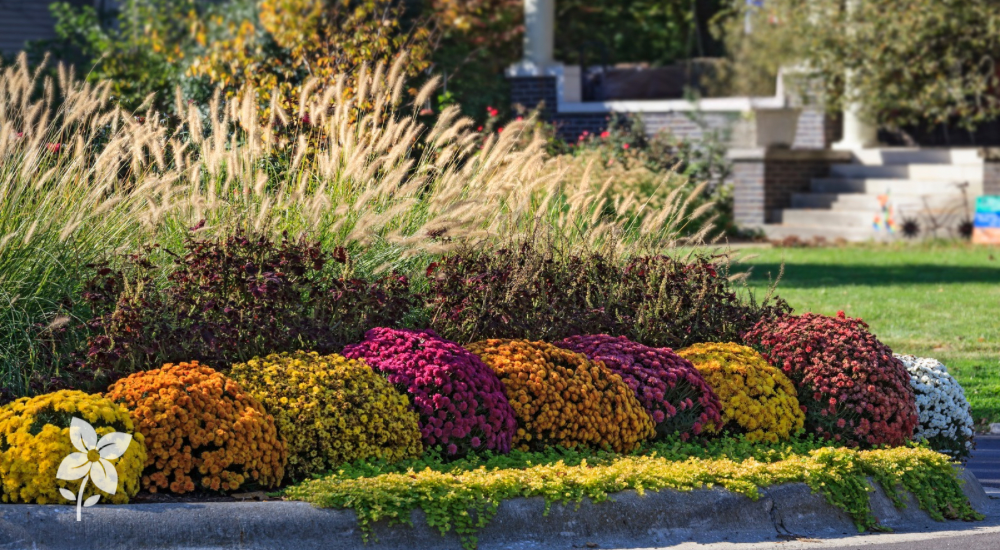
Their dried blades and seed plumes catch low winter light, move in the wind, and rise above snow when shorter perennials disappear. A mature grass can function as a focal point in a winter bed simply because it still has height and movement when so much else is quiet.
Grasses are also excellent examples of why blanket cutting can work against the landscape. Removing them in fall eliminates months of seasonal interest for no immediate visual benefit.
Attractive Seedheads
Seedheads can be surprisingly architectural.
Coneflowers, rudbeckia, sedum, and other perennials often produce dried flower structures that stand well into winter. Some form rounded clusters. Others create dark, delicate shapes against snow.
Their value lies in shape and contrast. In a summer garden, bloom colour dominates. In winter, form takes over.
Plants With Strong Architectural Form
Certain perennials maintain a recognizable outline after dormancy. Tall stems, branching forms, rigid seed clusters, and upright crowns can all help define a bed through winter.
These plants create what might be called the garden’s winter framework. They keep the landscape from flattening visually and help preserve border shape after snow begins to fall.
Interesting Foliage or Stems
Not every plant has to stand tall to remain worthwhile.
Some low-growing perennials hold attractive foliage late into the season. Others develop stems with unusual colour or texture. The key is condition. If the plant still looks intentional rather than collapsed, diseased, or messy, it may deserve to stay.
A Plant-by-Plant Approach to Fall Cleanup
This is where a thoughtful gardener earns the greatest reward.
Instead of entering a bed with pruners and one rule for every plant, slow down. Walk the garden. Look at each clump individually.
Is the plant healthy?
If the stems and foliage are free of obvious disease and stand well, there may be no reason to remove them simply because the calendar says autumn.
Is the growth damaged?
Broken, flattened, split, or partially detached material is a good candidate for removal. Healthy standing growth is a different story.
Does the plant provide winter structure?
Look at the silhouette. Does the plant hold height? Does it have an interesting seedhead? Does it create a strong upright line or broad architectural shape?
Will leaving it standing improve seasonal interest?
This is partly practical and partly aesthetic. Step back from the bed and look at the entire composition. One standing grass or a grouping of seedheads may give the border far more presence through winter.
Could the foliage create a damp, matted environment?
Some foliage collapses quickly and becomes heavy and wet. In those cases, removal may be the better choice.
This process turns pruning into observation rather than routine. Look first, cut second.
For homeowners focused on fall gardening in Edmonton conditions, this approach is especially useful because the transition from autumn to winter can happen quickly. A short window may exist between the first hard frosts and persistent snow cover. Working deliberately helps you spend that time on the plants that actually need attention rather than cutting everything indiscriminately.
Clean Without Eliminating Character
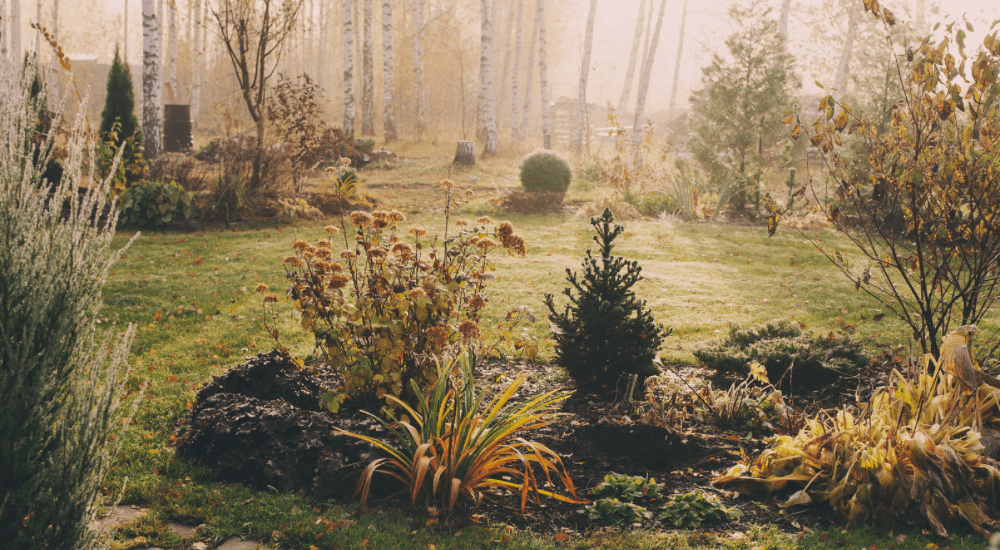
A garden can look polished without being bare.
In fact, some of the greatest visual improvements in autumn have very little to do with cutting plants down.
Clean Garden Edges
Crisp edges immediately make a border look intentional. Where the lawn meets the garden bed, a clean line creates definition even if plenty of plants remain standing.
That visual boundary signals that the garden is cared for.
Remove Obvious Debris
Branches, damaged leaves, plant tags, broken stakes, empty pots, and other stray material can make beds look neglected. Removing obvious clutter often improves appearance more than cutting healthy perennials.
Prune Selectively
Take out what has collapsed, broken, or become unsightly. Leave what still has form.
Selective pruning creates order without flattening the entire planting.
Tidy Pathways and Borders
Sweep or rake pathways, clear entrances, and keep access routes clean. A tidy path beside a textured winter planting creates a strong visual contrast between cultivated order and seasonal change.
Preserve Clear Transitions
Where lawn, mulch, stone, and planting beds meet, clarity matters. Defined transitions keep the garden looking composed.
This is the essence of less cutting, more intention.
It is also one of the most practical ways to approach garden maintenance in fall. Time and effort go toward visible improvements rather than repetitive work that may not benefit the plants or the winter landscape.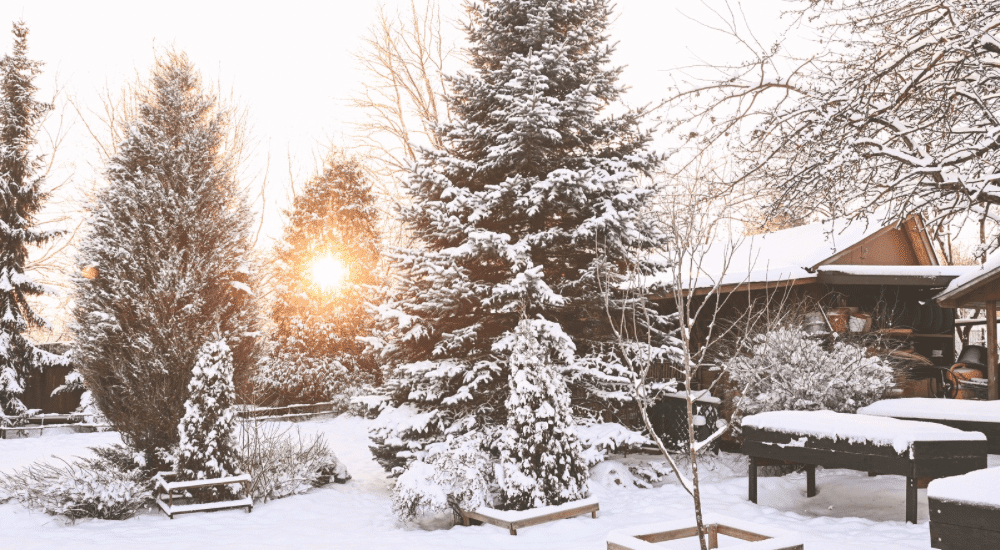
The Beauty of the Winter Garden
A well-designed garden should not disappear when summer ends.
Winter has its own palette. Instead of bloom colour, it offers shadow, silhouette, texture, snow, and low-angle light. Plants that remain standing become part of that composition.
Texture
Fine grasses, coarse seedheads, branching stems, and dried foliage all interact differently with snow and frost. Their textures create depth even when colour is limited.
Height
Standing plants keep beds from becoming visually flat. A few upright perennials or grasses can give the garden structure well above the soil line.
Movement
Ornamental grasses bring motion into a season that can otherwise feel still. Even a light wind can animate dried blades and seed plumes.
Winter Interest
Interesting forms stand out when the landscape simplifies. A seedhead that was easy to overlook in September can turn into a focal point after snowfall.
Contrast Against Snow
Dark stems, pale grasses, and sculptural forms show beautifully against snow. The simpler the winter background becomes, the more important these shapes can feel.
This is one reason preparing a garden for winter doesn’t have to mean leaving every bed empty. A garden can rest without vanishing.
A Simple Decision-Making Checklist
Use this quick checklist as you move through beds and borders.
Remove:
- Diseased or infected foliage
- Broken or badly damaged stems
- Wet, collapsed growth
- Debris that could contribute to plant problems
- Weeds that have gone to seed
Consider leaving:
- Healthy, sturdy perennial stems
- Ornamental grasses
- Attractive seedheads
- Plants with strong architectural form
- Foliage or stems that still contribute texture or colour
Always tidy:
- Bed edges
- Pathways
- Weeds
- Obvious debris
- Broken stakes, supports, and garden clutter
Before cutting:
- Look at the plant from several angles.
- Consider how it will look with frost or snow.
- Decide whether it adds structure.
- Check whether it is healthy.
- Ask whether removal is actually necessary.
This simple pause may change the way an entire garden enters winter.
Let the Garden Rest With Grace
Autumn gardening is not a race toward emptiness. The garden does not need to be reduced to bare soil and short stubs before the first lasting snow arrives.
A thoughtful approach lets the landscape carry some of its character forward. Strong grasses can remain upright. Seedheads can catch frost. Healthy stems can create shadows across the snow. Clean edges and clear paths can provide order without erasing the plants that still have something to offer.
There is a reserved confidence in knowing when not to cut. The best fall garden cleanup often leaves behind structure rather than starkness, order rather than over-pruning, and beauty rather than bare soil. Approach each bed with a lighter hand and a sharper eye, and the garden can enter winter not as something finished, but as something resting with grace.
Need a Hand With Fall Cleanup?
Need help deciding what to cut and what to leave? Visit Salisbury Greenhouse and our gardening experts can recommend the best fall cleanup approach for your landscape to set your garden up for a beautiful winter and blooming spring.