Fall Gardening Tips for a Colourful and Productive Alberta Landscape
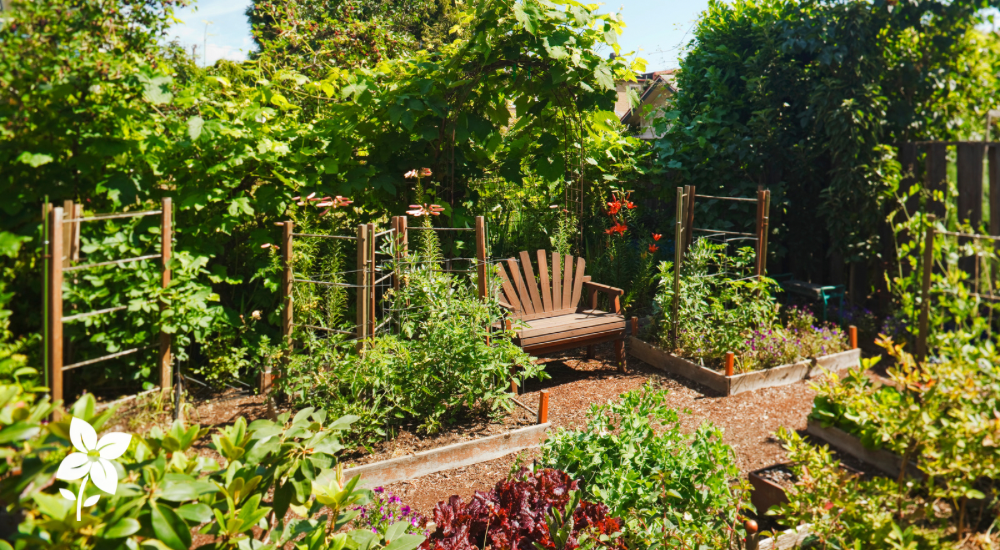
Fall gardening begins amid the quiet shift between seasons, when the evening light turns softer, flowers deepen into maturity, and cool morning air begins to blanket over Edmonton gardens. Summer has not disappeared, but its pace has changed. Seed heads form where blooms once opened, ornamental grasses catch the lower sun, and vegetable beds begin to offer their final warm-season harvests. Many gardeners interpret these signs as an encouragement to step back. In reality, late summer is one of the most useful and rewarding times to step forward.
As you prepare your garden for autumn, it’s worth completing a mid-summer pest check for hidden pest damage signs to watch for before the seasons change. The work completed now can carry colour, structure, and productivity into the cooler months while reducing the rush that often arrives with the first hard-frost warning. Early preparation also allows gardeners to make thoughtful choices instead of hasty ones. Gardeners can refresh beds before they become overgrown, establish plants while the soil still holds warmth, and consider future projects while the successes and frustrations of the current season remain easy to remember.
Autumn is not simply the garden dimming into silence. It is a period of editing, layering, and renewal. With intentional choices, the landscape can continue to feel alive through changing weather while quietly preparing itself for spring.
Why Fall Gardening Begins Before Autumn Arrives
Late summer grants a valuable meeting point between warm soil and cooler air. The ground still holds heat from July and August, encouraging roots to grow even as daytime temperatures become less stressful for many plants. This combination can support strong establishment before winter, particularly for hardy perennials, trees, shrubs, and cool-season crops suited to Alberta’s shorter growing season.
Early action also creates breathing room. Autumn weekends can fill quickly with school routines, community events, home maintenance, and unstable weather. Completing key tasks gradually allows homeowners to enjoy the season instead of treating garden care as an emergency. A bed amended in August does not need to be rescued in October. A container refreshed before the first cold snap can continue looking polished as summer plantings decline.
Proactive preparation also creates a smoother visual transition. Rather than allowing the garden to move abruptly from summer abundance to empty beds and bare pots, gardeners can introduce autumn colour and texture in stages. The landscape changes rather than collapses.
A thoughtful fall planting guide should therefore begin before autumn is fully visible. Observe which plants are still performing, identify gaps, note areas where water collects or drains too quickly, and decide which tasks will have the greatest impact. The goal is not to complete everything at once. It is to give each part of the garden enough time to respond.
 Refresh Your Garden with Late-Season Colour
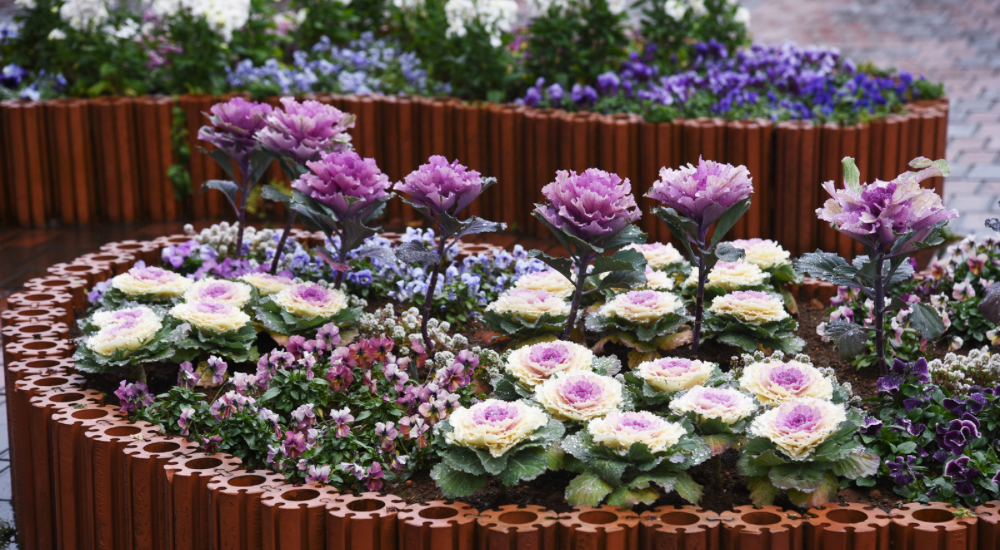
As summer flowers begin to tire, late-season colour can restore energy to beds, borders, entrances, and patios. The strongest autumn displays do more than replace one flower with another. They combine bloom, foliage, texture, movement, and form.
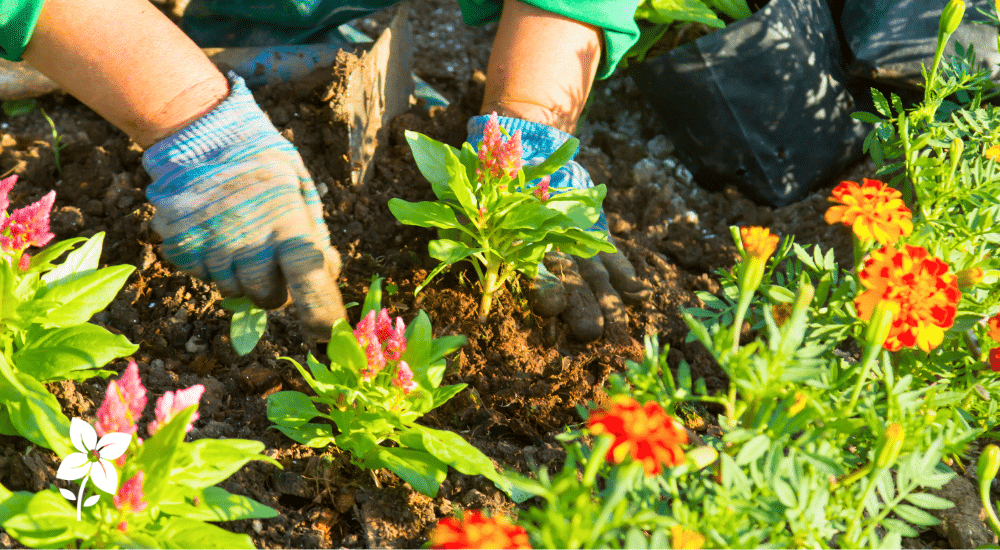
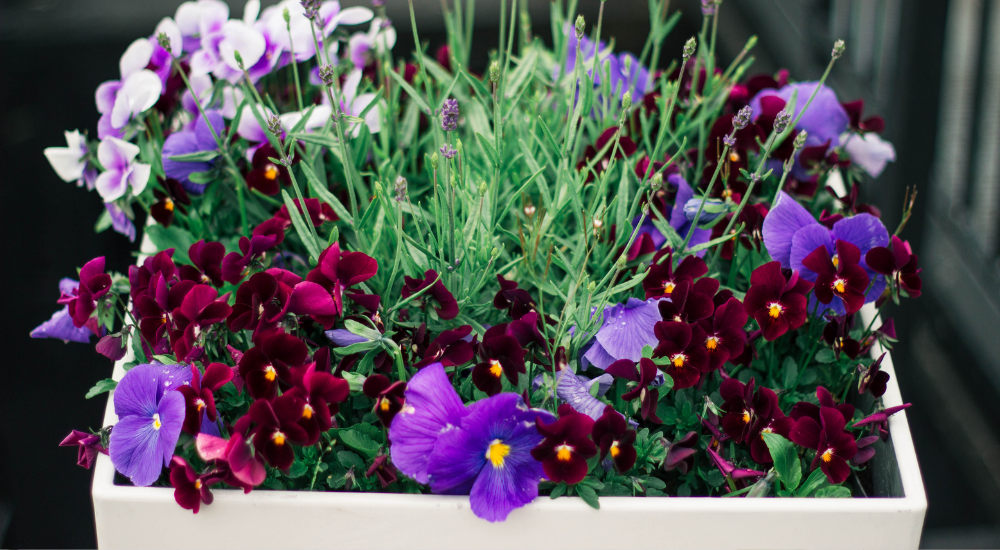
Cool-season annuals are especially useful in containers and prominent garden spaces. Pansies and violas appreciate cooler conditions and can refresh colour to planters that have become stretched or sparse. Ornamental kale and cabbage contribute sculptural rosettes in green, cream, rose, and purple tones. These plants create impact without relying entirely on flowers, keeping them useful as temperatures fluctuate.
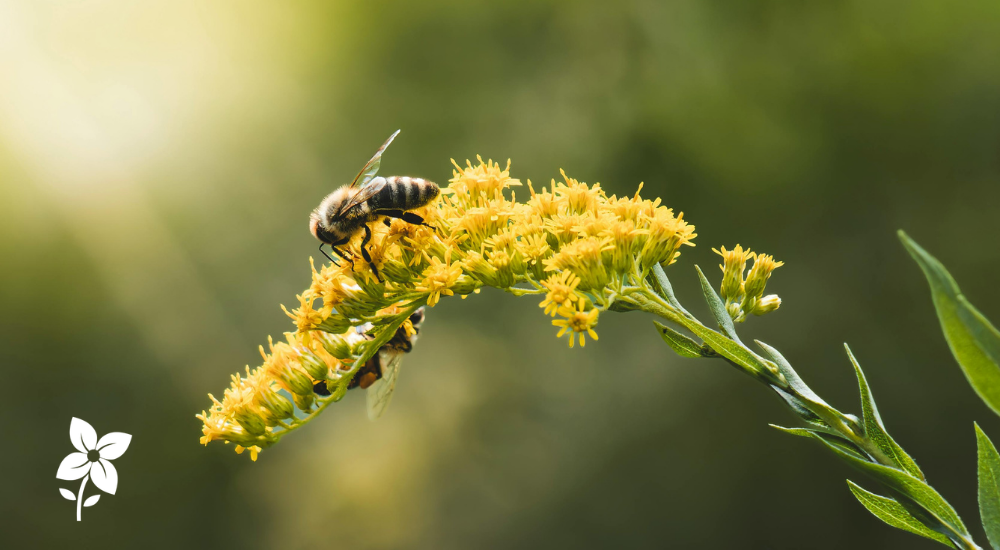
Autumn-blooming perennials can extend the garden’s rhythm. Asters provide clouds of daisy-like flowers, while sedums develop broad flower heads that deepen in colour as the season advances. Rudbeckia and echinacea may continue blooming into late summer and early autumn, depending on the variety and growing conditions. Their seed heads can remain attractive after flowering and provide food for birds.
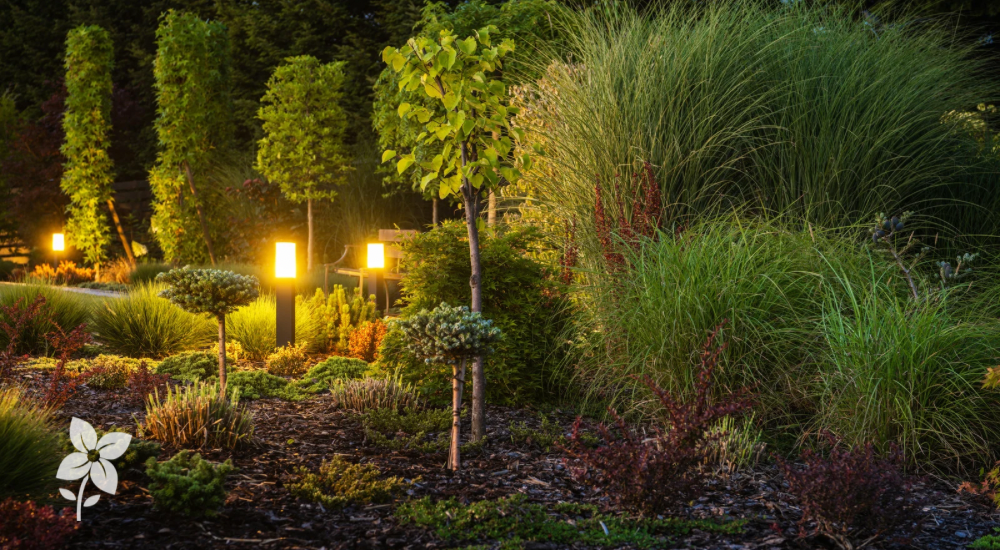
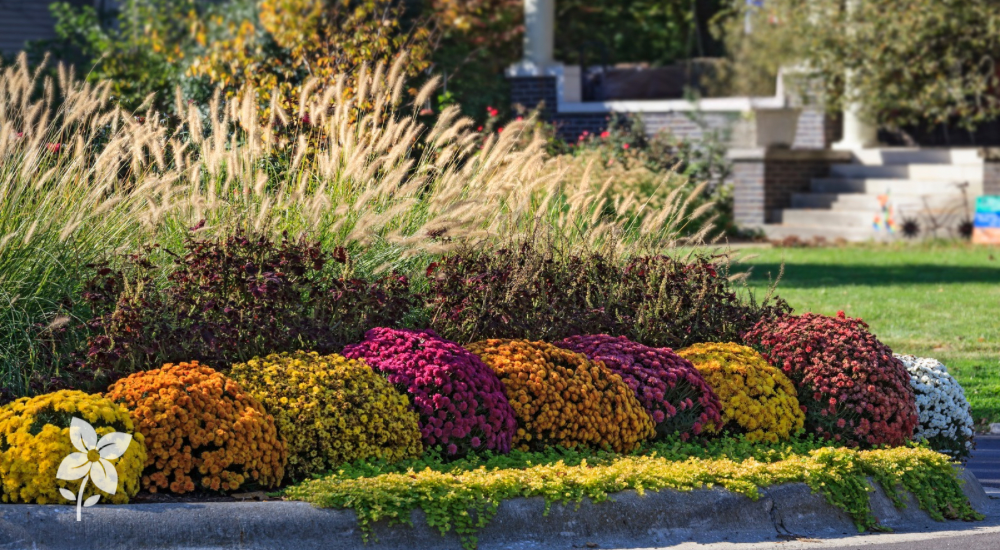
Ornamental grasses add a different kind of beauty. Their fine blades and feathery plumes catch frost, sway in the wind, and soften the heavier shapes of shrubs and late-blooming perennials. In an Edmonton garden, where winter interest matters for many months, grasses can contribute structure long after flowers have finished.
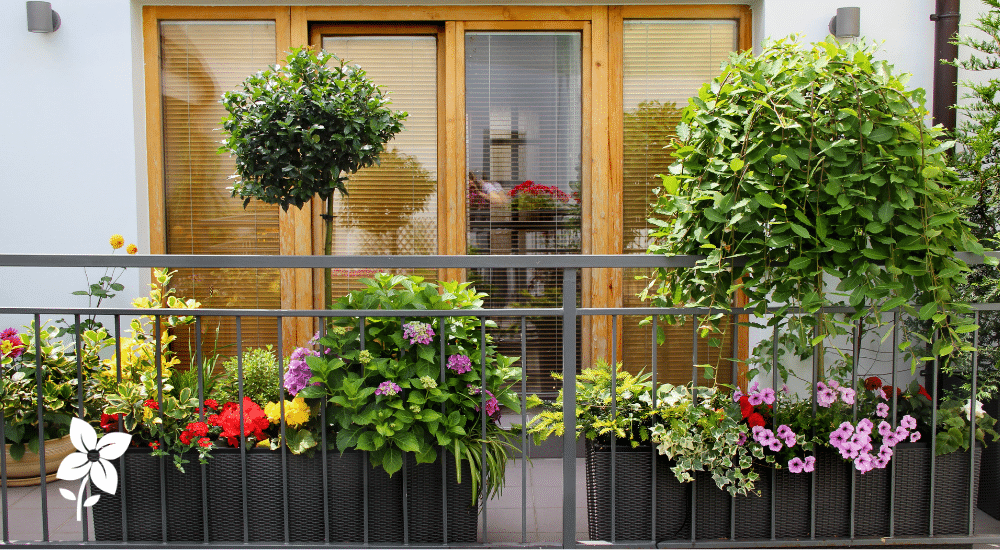
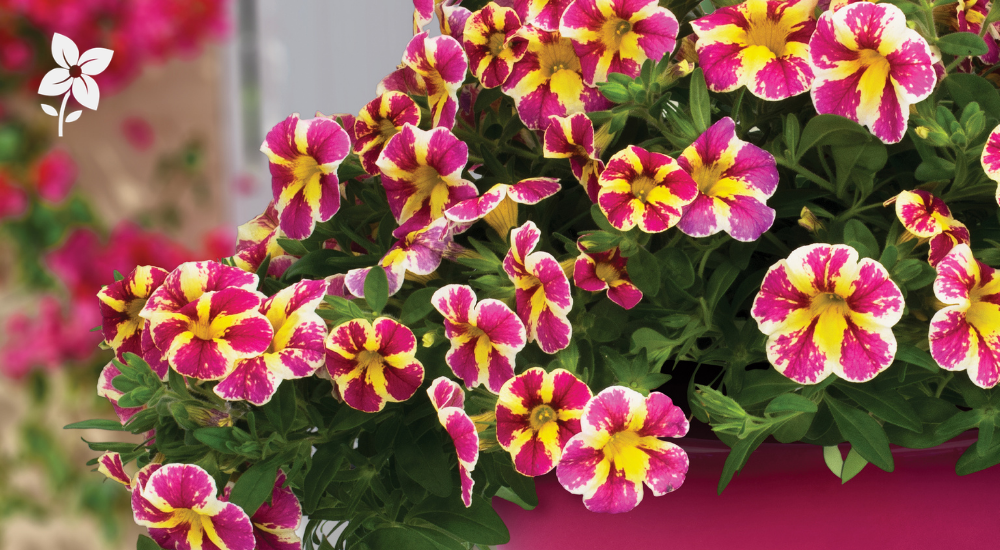
Containers offer the quickest opportunity for a seasonal refresh. Remove declining plants, trim those that remain healthy, and fill open spaces with cool-tolerant annuals, compact grasses, trailing foliage, or decorative natural materials. A combination of deep burgundy, burnt orange, plum, cream, and muted green feels rich without becoming overly themed. For a cooler palette, pair violet, silver, white, and blue-green foliage.
The most memorable autumn combinations balance abundance with restraint. One strong grass, one flowering focal point, and one trailing or textural plant can create a finished container without crowding it. Let the season breathe.
 Plant Now for a More Productive Autumn Garden
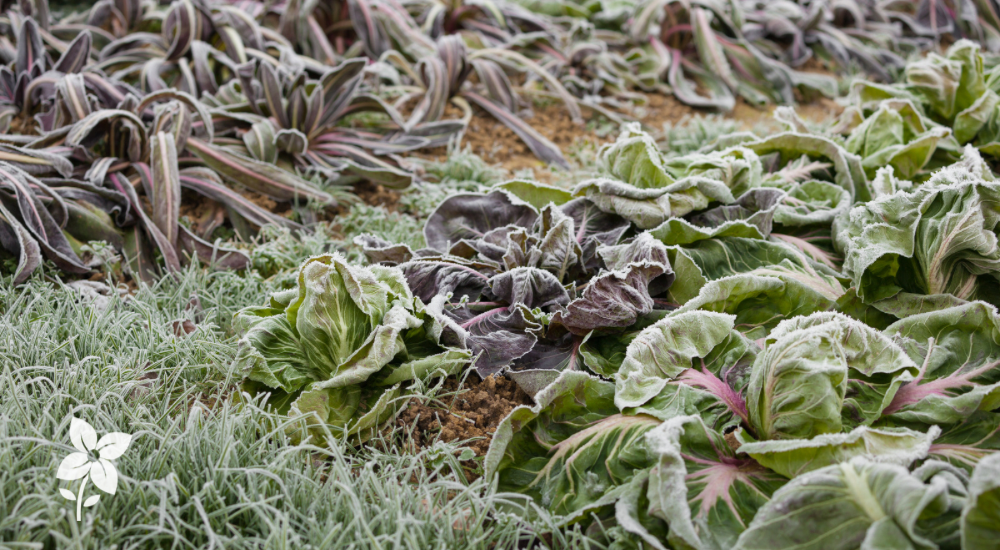
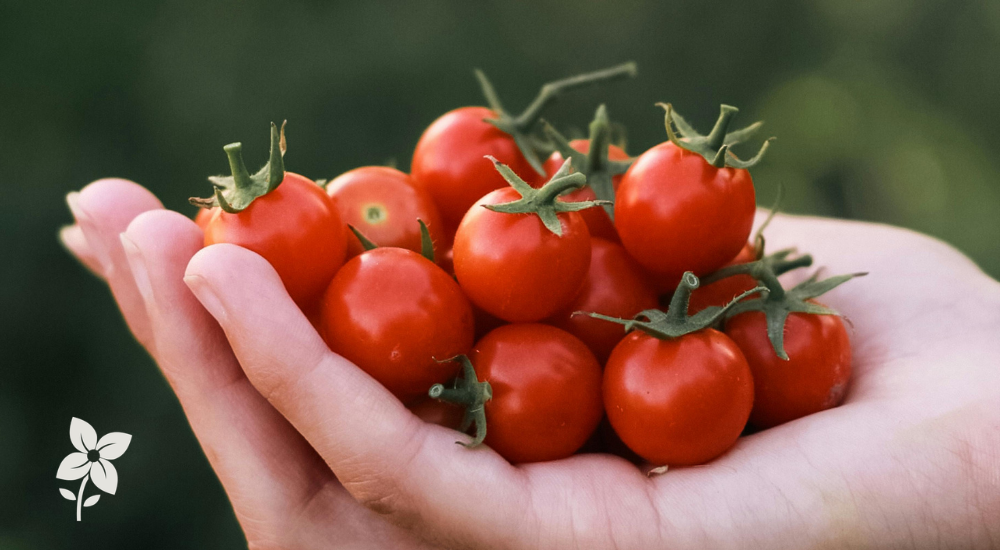
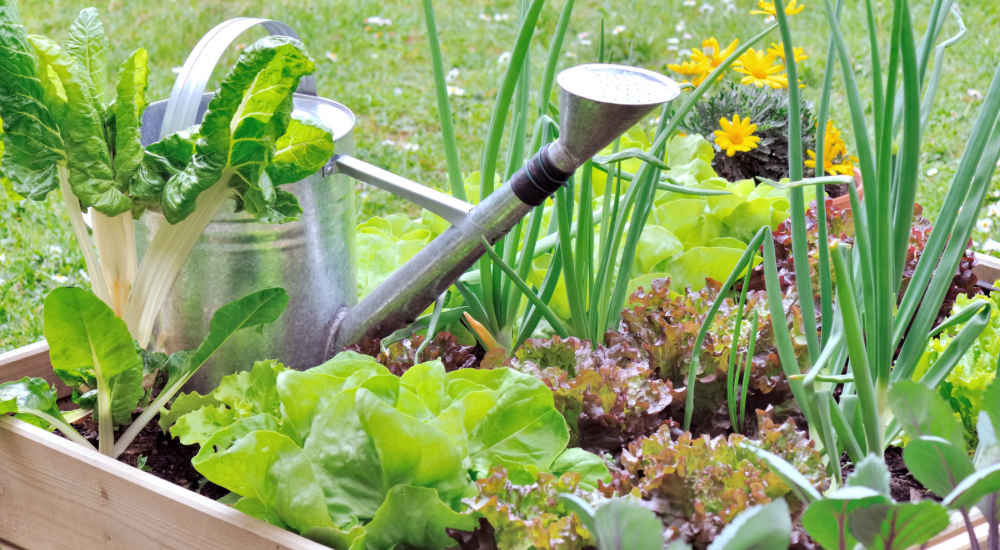
The vegetable garden does not need to stop when tomatoes and cucumbers begin slowing down. Cool-season edibles often become sweeter, crisper, or more comfortable as temperatures moderate. The key is choosing crops with enough time to mature and giving them regular moisture while they establish.
Leafy greens are among the most practical late-season choices. Lettuce, spinach, arugula, mustard greens, and baby kale can grow quickly in cool conditions. They are well suited to succession planting, which means sowing smaller amounts at intervals rather than planting the entire crop at once. This approach creates a steadier harvest and reduces the chance of having too much produce ready at the same time.
Fast-growing root vegetables can also earn a place in the autumn bed. Radishes are especially useful because many varieties mature quickly. Small beets and baby carrots may be possible when planted early enough. However, gardeners should always check the days to maturity on the seed packet and compare that timing with expected seasonal conditions.
Herbs such as cilantro and dill often prefer cooler weather to midsummer heat. Parsley can also continue producing into the cooler season when protected from severe cold. Gardeners deciding what to plant in fall are recommended to prioritize crops that mature quickly, tolerate cool nights, and can be harvested young if winter arrives early.
Succession planting works best in spaces where warm-season crops have been removed. Once peas, beans, or early vegetables finish, clear the area, loosen the surface gently, add a light layer of compost if needed, and sow the next crop. Keep the seedbed evenly moist. Late-summer soil can dry quickly even when the air appears cooler.
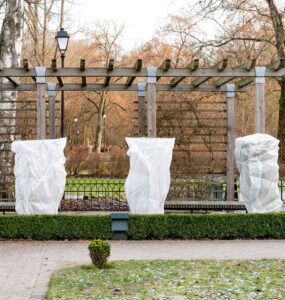
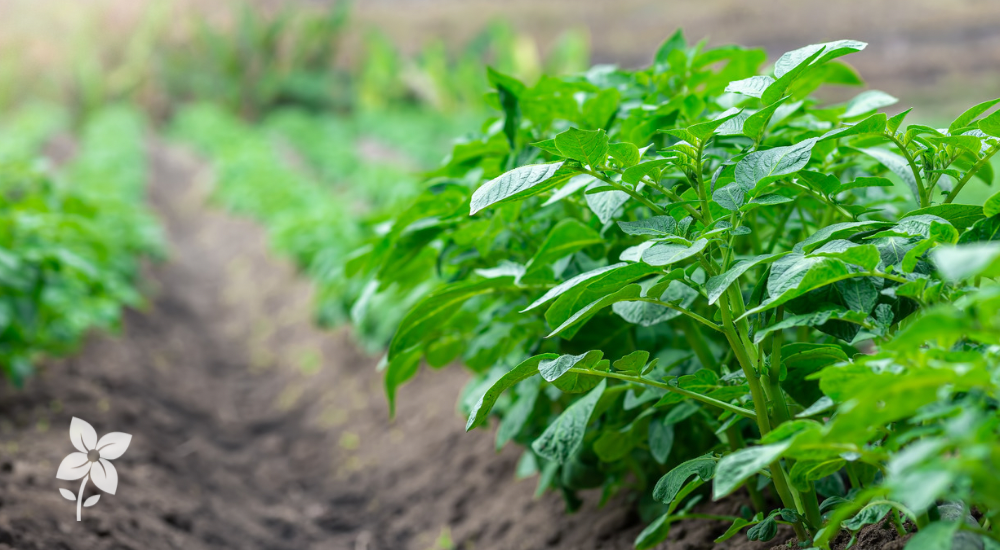
Simple protection can extend the harvest. Frost cloth, low tunnels, or cold frames help buffer plants from light frost and cold wind. Every successful fall harvest starts with thoughtful summer care, and the right mid-season care for your potatoes will promote healthier plants and a more rewarding potato harvest. These tools do not turn an Alberta garden into a tropical one, but they can buy valuable time and protect tender leaves through brief temperature dips.
 Give Your Soil the Attention It Deserves
Soil is the garden’s hidden heartbeat. Flowers, vegetables, shrubs, and trees may receive the attention, but the soil quietly determines how well roots can access moisture, oxygen, and nutrients. Late summer and early autumn are ideal times to return some of what the growing season has used.
Begin by removing weeds before they set seed. A few minutes spent pulling mature weeds now can prevent hours of work next year. Remove roots where practical, especially from perennial weeds, and avoid leaving seed-filled plants in the compost unless the pile becomes sufficiently hot to destroy them.
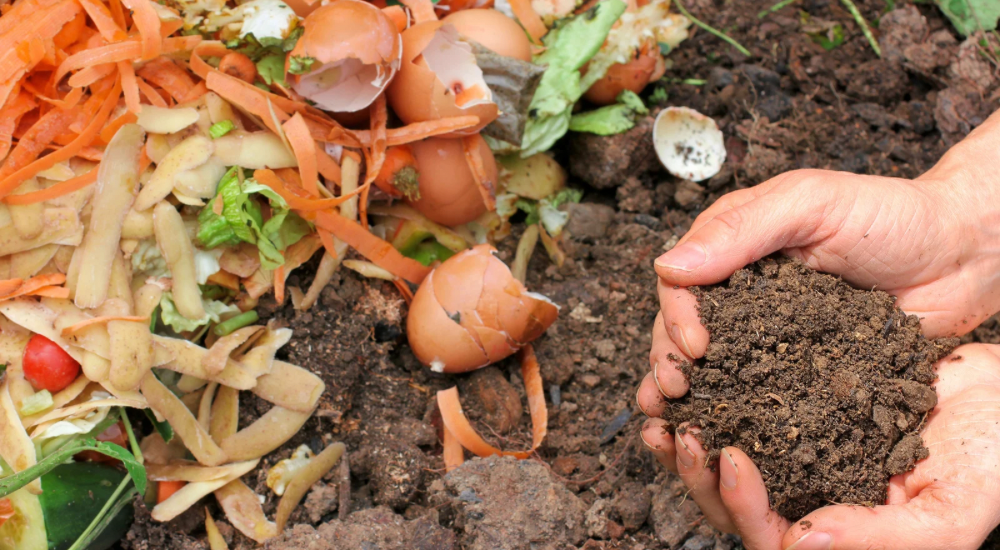
Spread compost over empty vegetable beds and around established plants, provided it is mature and well finished. It adds organic matter, supports soil structure, and gradually contributes nutrients. In heavy clay soils common in many parts of the Edmonton region, regular additions of organic matter can help improve tilth over time. In lighter soils, it can improve moisture retention.
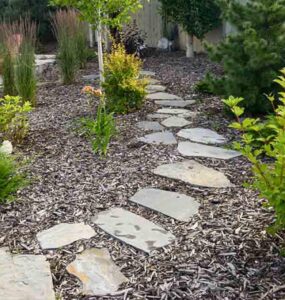
Mulch protects the soil surface from erosion, temperature swings, and moisture loss. Apply it evenly, but do not bury plant crowns or mound it against tree and shrub trunks. A ring of mulch should resemble a broad, shallow doughnut rather than a volcano. This keeps moisture away from bark while still protecting the root zone.
Soil amendments should be chosen for a reason, not added by habit. A soil test can help identify pH concerns or nutrient deficiencies. Without that information, compost and appropriate mulch are often safer starting points than applying large amounts of fertilizer or lime without evidence.
Prepare empty beds by removing debris, loosening compacted areas carefully, adding compost, and covering the surface with mulch or another suitable protective layer. This reduces erosion and leaves the bed in better condition for spring planting.
 Tidy with Purpose, Not Perfection
A healthy autumn cleanup is selective. The goal is not to strip the garden bare, but to remove genuine problems while protecting useful habitat, structure, and beauty.
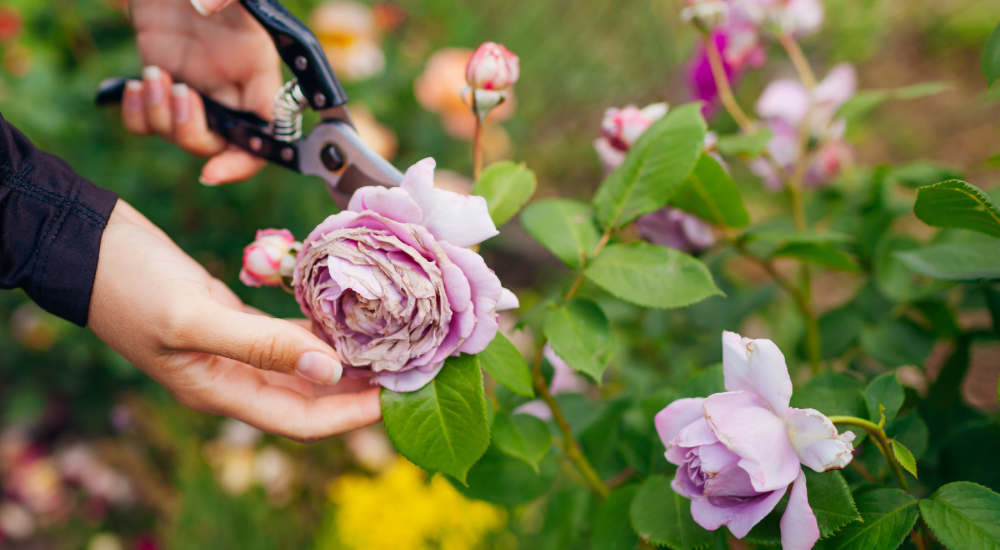
Deadheading can encourage some annuals and perennials to continue flowering, especially when the plants are still healthy and the weather remains favourable. However, not every spent flower needs to be removed. Seed heads from echinacea, rudbeckia, sunflowers, and ornamental grasses can feed birds, shelter insects, and add winter texture.
Cut back plants that have become mushy, collapsed, or diseased. Remove foliage affected by serious fungal or bacterial problems from the garden rather than leaving it in place. Clean tools between affected plants when disease spread is a concern.
Healthy perennial stems can frequently remain standing until spring. They catch snow, protect crowns, and create habitat for beneficial insects. In a snow-covered landscape, those stems also provide lines, shadows, and movement that keep the garden visually interesting.
Late summer and early autumn can also be suitable for dividing certain established perennials, provided they have enough time to root before the ground freezes. Water divisions well and monitor them closely. Avoid dividing plants that are stressed by drought, disease, or extreme heat.
Pruning requires restraint. Dead, damaged, or diseased branches can be addressed when necessary, but major pruning may stimulate growth or remove buds, depending on the plant. Know the species before cutting. Tidiness must never come at the cost of plant health.
 Think Beyond This Season
The most effective garden planning often happens while the current garden is still visible. Photographs, notes, and quick sketches can capture details that are easy to forget during winter. Record which areas lacked colour, which paths felt cramped, where plants flopped, and where privacy or shade would improve the space.
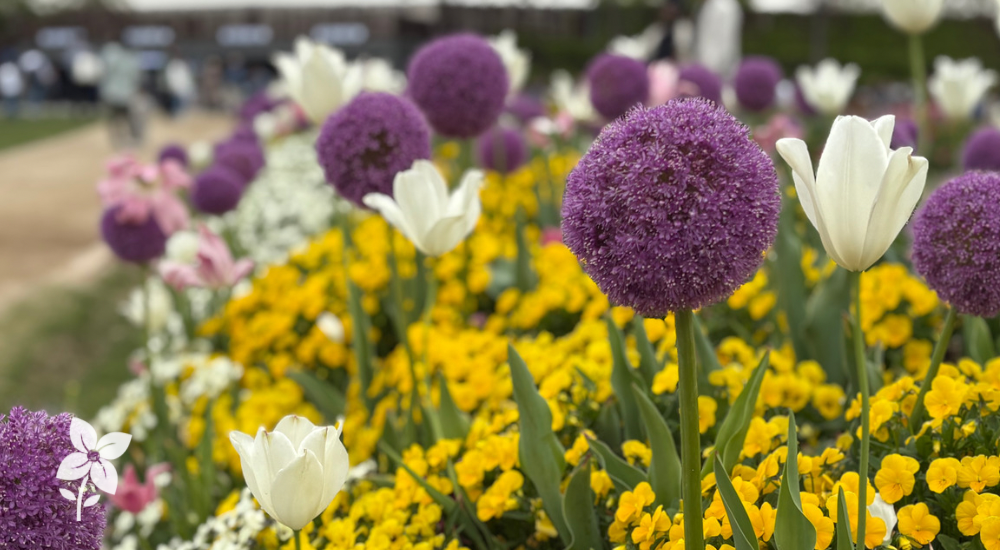
Spring-flowering bulbs are one of autumn’s best investments. Tulips, daffodils, alliums, crocuses, and other hardy bulbs need to be planted before the ground freezes. Their flowers may feel far away while leaves are falling, but the work is a promise written into the soil.
Autumn can also be an excellent time to plant hardy trees and shrubs. Cooler air reduces heat stress, while warm soil supports root growth. Newly planted woody plants still need continuous watering until the ground freezes. Mulch can help moderate soil moisture and temperature, but it should remain away from trunks and stems.
This is also a useful time to evaluate larger landscape improvements. Perhaps a bed needs a clearer edge, a seating area needs shade, or a front entrance needs stronger year-round structure. Consider how the garden looks from inside the house as well as from the street. Alberta winters make evergreen structure, ornamental bark, seed heads, and strong silhouettes especially valuable.
Future projects become easier when they are broken into stages. Identify one priority, estimate the materials required, and decide whether the work belongs in autumn, spring, or a later season. A garden improves using thoughtful layers, not one frantic weekend.
Your Simple Fall Gardening Checklist
Use this list to guide the transition without turning it into a race:
- Refresh seasonal containers with cool-tolerant plants and autumn texture.
- Plant cool-season flowers where summer colour has faded.
- Sow quick-growing greens, radishes, and suitable herbs.
- Add finished compost to empty beds and around established plants where appropriate.
- Lay mulch without covering crowns or piling it against trunks.
- Divide healthy, overcrowded perennials early enough for roots to establish.
- Plant spring-flowering bulbs before the ground freezes.
- Inspect trees and shrubs for damage, disease, and watering needs.
- Remove diseased foliage and weeds before they spread or set seed.
- Leave selected seed heads and healthy stems for wildlife and winter interest.
- Clean, sharpen, and organize gardening tools.
- Record ideas, photos, and priorities for next season.
Every Beautiful Spring Begins with an Intentional Autumn
Autumn is not the garden’s final curtain. It is a scene change: quieter, cooler, and full of possibility. The colour added now, the soil improved, the crops sown, and the notes recorded all become part of next year’s success. Small deeds can create a garden that moves smoothly through the season instead of fading all at once.
Approach fall gardening as a season of renewal rather than retreat. Refresh what is tired, protect what is thriving, and plant with the future in mind. For regionally appropriate plants, seasonal supplies, and practical advice suited to Edmonton and surrounding Alberta communities, visit us at Salisbury Greenhouse and give your landscape the support it needs to enter the cooler months with strength, colour, and purpose.