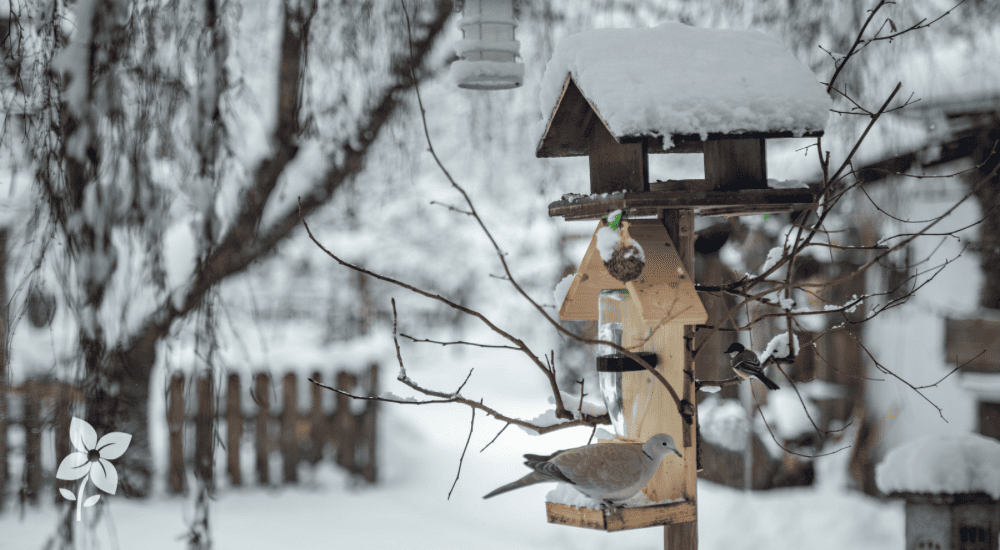
When the Backyard Becomes a Winter Refuge
Winter birds bring flashes of movement and colour to an Alberta backyard as snow softens the garden’s edges and the landscape seems to hold its stillness. Branches wear white shoulders, perennial beds disappear beneath drifts, and ponds and puddles lock under ice. Yet the garden is far from empty. Chickadees, nuthatches, woodpeckers, finches, waxwings, and other hardy visitors continue to move through neighbourhoods in search of what they need most: dependable food, unfrozen water, shelter, and safe places to rest.
A backyard doesn’t need to become a wildlife sanctuary overnight to make a meaningful difference. A few thoughtful choices can make an ordinary property into a small winter refuge. Consistent feeding, accessible water, evergreen cover, berry-producing plants, and safer placement of feeding stations can all support birds while also making the winter landscape more dynamic. Good winter bird care is not about forcing nature into the garden. It is about noticing what the season has taken away and gently putting a few essentials back.
Why Winter Is Challenging for Alberta Birds
An Alberta winter demands a lot from small animals. Cold temperatures increase the energy birds must spend to maintain body heat, while deep snow and ice can make once-reliable food sources hard to reach. Insects are scarce, seed heads may be buried or stripped clean, and berries that remain on shrubs can become an increasingly important calorie source.
Wind makes the challenge even greater. A bright, calm day can quickly give way to blowing snow and bitter gusts that sweep across open yards. For a bird, a dense spruce or sheltered hedge can mean the difference between exposure and protection. Even short journeys between feeding areas, water, and cover require energy, so landscapes that place these resources within a reasonably connected area can be especially useful.
The contrast is striking. The garden may look asleep, but the birds moving through it are intensely active. They forage, cache food, patrol familiar routes, and seek protection as daylight fades. Homeowners can help by making the backyard a little more reliable, a little less exposed, and a little safer.
Keep Reliable Food on the Menu
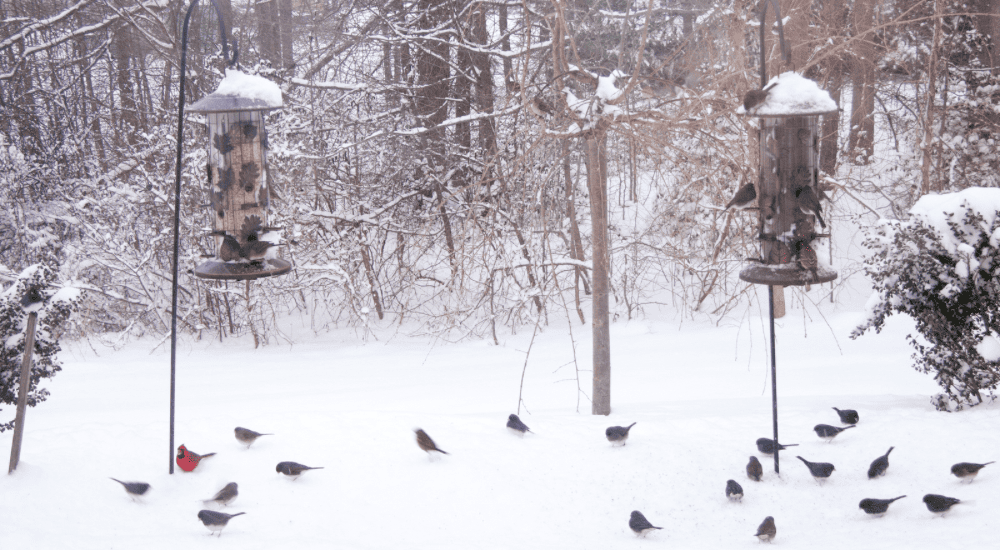
Consistent feeding is one of the most practical ways to support birds when natural food supplies are reduced. The goal is not simply to hang a feeder and forget it. A well-planned feeding area should offer appropriate food, stay reasonably protected from weather, and remain easy to monitor and clean.
Different foods attract different species. Black oil sunflower seed is a strong all-purpose choice because many common winter species eat it readily. Shelled sunflower hearts reduce waste beneath feeding stations, while nyjer can appeal to finches. Peanuts and suet provide valuable fat and calories, which may be especially useful in cold weather. Avoid depending strongly on inexpensive seed mixes padded with fillers that many birds discard.
The design of bird feeders matters too. Tube feeders can help keep seed dry and work well for small clinging or perching species. Hopper feeders offer more room and can accommodate a wider range of birds, while suet cages are ideal for woodpeckers, nuthatches, and chickadees. Whatever style you choose, place it where birds can reach nearby cover without giving predators an easy hiding place immediately beside the feeding zone.
Consistency is more helpful than abundance followed by long gaps. Keep feeding stations stocked during severe weather, brush away snow that blocks access, and monitor for damp or spoiled food. Also consider the feeding area as part of the landscape rather than an add-on. A feeder positioned near a beautiful evergreen grouping or visible from a kitchen window can become part of the garden’s winter composition.
Turn Frozen Water Into a Winter Oasis
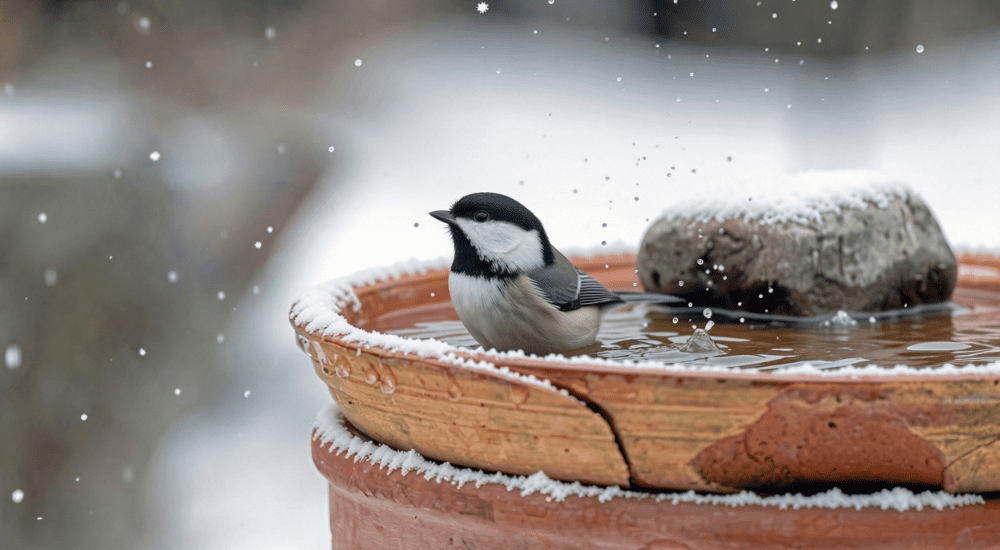
Food gets much of the attention, but water can be just as hard to find in winter. Natural sources often freeze solid, and birds still need water to drink and maintain their feathers. A small area of open water can become one of the most active places in a snowy yard.
A heated birdbath is one of the simplest solutions. The goal is not to create warm water, but to keep a shallow supply from freezing. Choose a stable basin with gently sloping sides and enough texture for secure footing. Keep the water level modest and refresh it regularly to keep it clean.
Placement matters here as well. A birdbath should be visible and reasonably sheltered, but not tucked so tightly against dense cover that a lurking cat or other predator can approach unnoticed. Nearby shrubs or evergreens can provide quick escape cover, while a little open space around the bath improves visibility.
On the coldest mornings, that patch of open water can look almost miraculous: a dark mirror among the snow, steaming slightly in the pale light, with chickadees flitting in and out like punctuation marks across a white page. In practical terms, it is simply a dependable resource. Visually, it brings the winter garden to life.
Create Shelter From Alberta’s Winter Winds
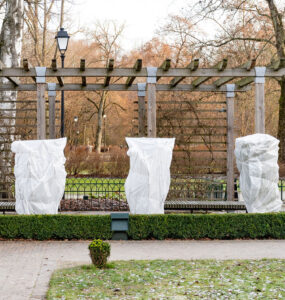
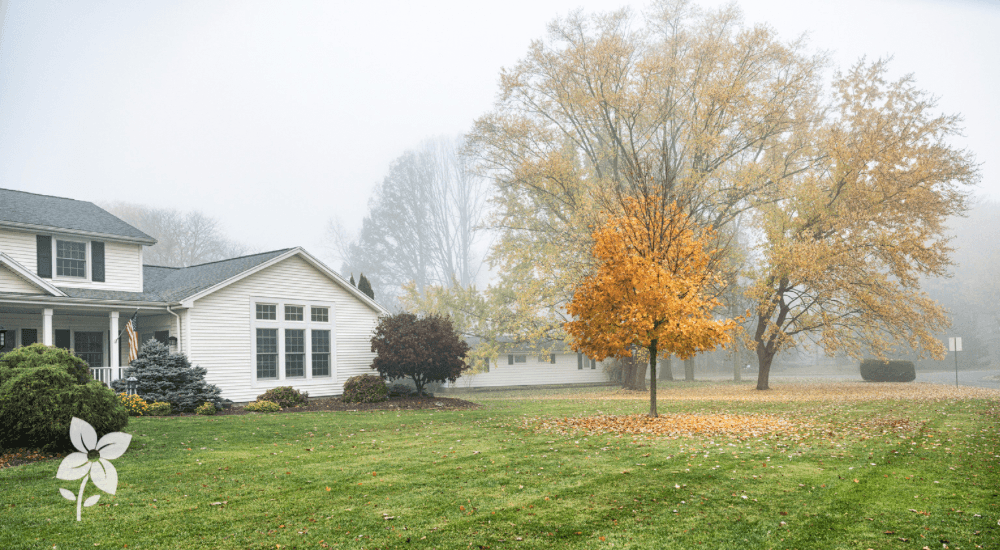
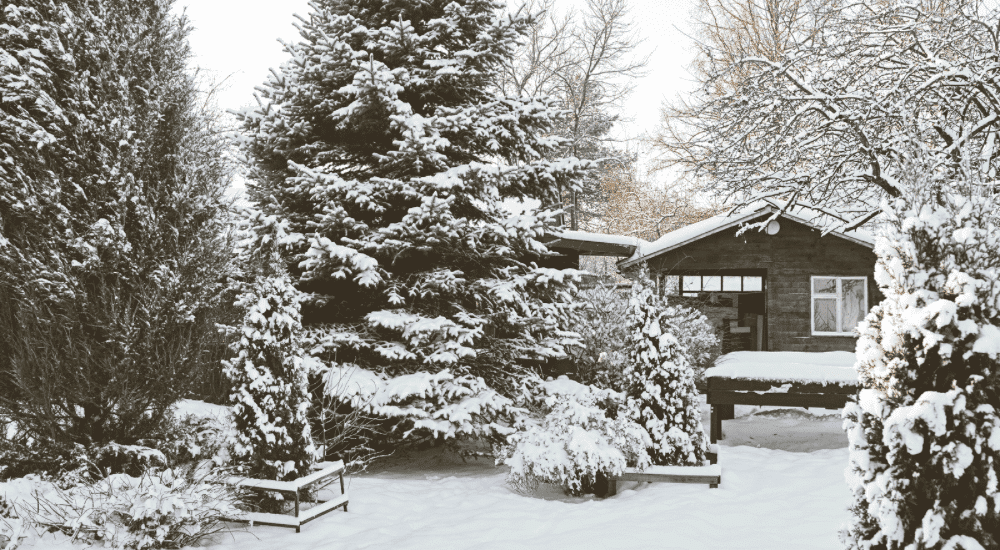
Shelter is one of the most valuable things a garden can offer in winter, and the best shelter is often built into the landscape long before the first snowfall arrives. Evergreens are especially useful because their foliage remains dense when deciduous trees are bare. Spruce, pine, fir, juniper, and other hardy evergreens can all create protected spaces depending on site conditions and mature size.
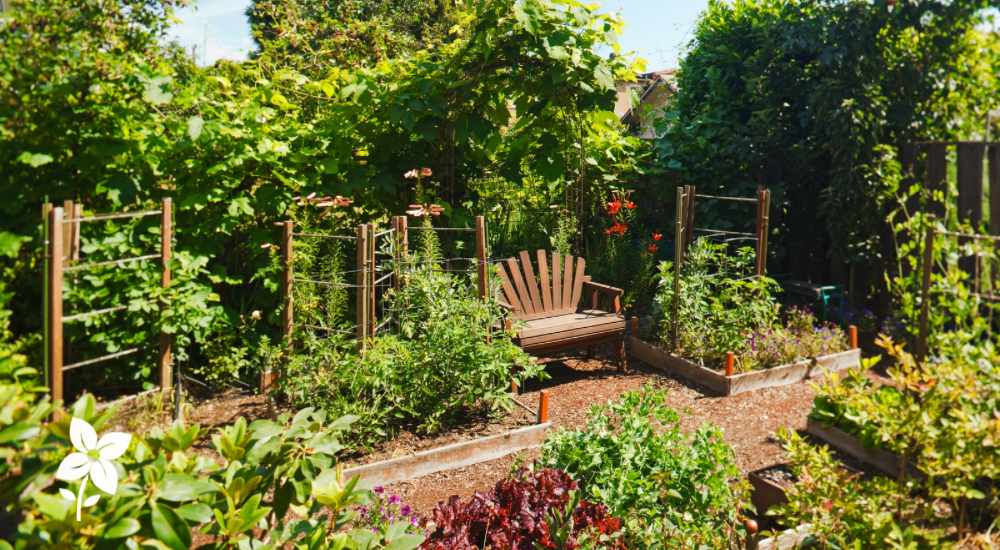
Dense shrubs and hedges also help break wind and create pockets of calmer air. Layered planting is especially effective: taller trees intercept the strongest gusts, mid-sized shrubs add density closer to the ground, and lower plants or retained stems add structure. Even a sheltered corner between a fence and a group of shrubs can become valuable habitat.
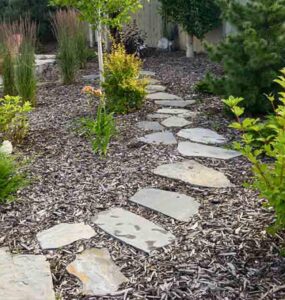
Brush piles can be useful too when placed thoughtfully. Rather than leaving a disorderly heap in the middle of the yard, tuck pruned branches into a discreet corner where they can create low, intricate cover. Birds can use these spaces to escape wind and predators, while the pile slowly breaks down and contributes organic matter to the landscape.
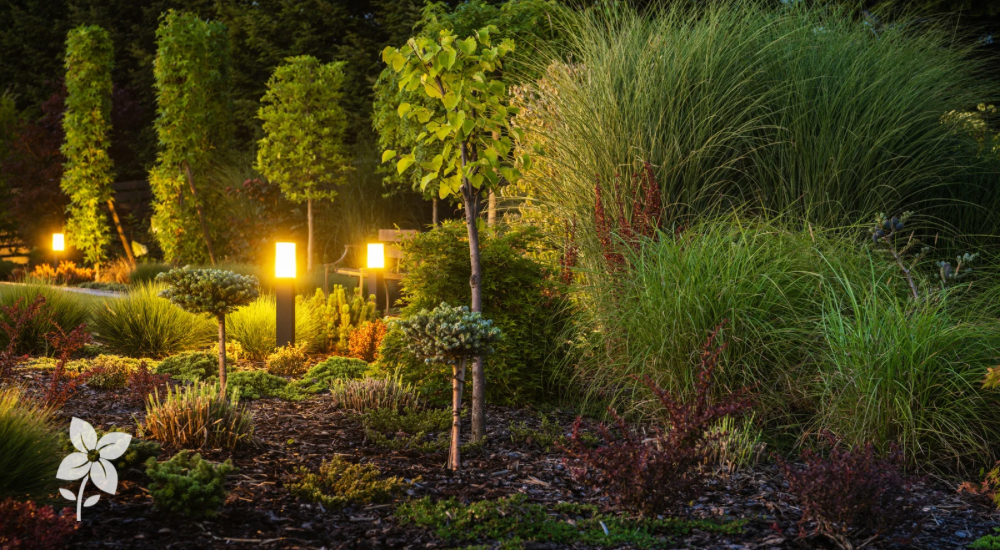
This is where wildlife gardening and strong design overlap beautifully. A landscape can be beautiful in every season and still be useful to wildlife. Evergreens that provide shelter also add winter colour. Dense shrubs add form and shade. Branches catch snow, berries brighten dull days, and the layered structure that helps birds also makes the garden more visually complete.
Make the Backyard Bird-Safe
Attracting birds is only half the job. The next step is reducing avoidable hazards around the spaces where they feed, drink, and rest.
Window collisions are one of the most important concerns. A feeder placed too far from a large reflective window can increase risk if birds accelerate toward what looks like open sky. Effective exterior window treatments, visible markers spaced appropriately close together, screens, or other collision-reduction strategies can make glass easier for birds to recognize.
Predators are another consideration. Keep domestic cats indoors or otherwise prevent them from roaming around feeding zones. Avoid placing food directly beside thick ground-level cover where a predator can hide unseen, but do provide escape cover within a short flight.
Spilled seed can create other problems if it accumulates. It may attract rodents, become mouldy, or create unsanitary conditions. Sweep or rake beneath feeding areas when practical, and consider seed trays or cleaner food options where mess becomes an issue.
This broader perspective is what turns an ordinary feeding station into an Alberta bird-friendly backyard. The aim is not just to attract activity, but to support it responsibly by thinking about how birds move through the entire space.
Choose Plants That Work Beyond the Growing Season
The best winter gardens don’t stop working when flowers fade. Trees, shrubs, grasses, and perennials can continue providing food and shelter long after the main growing season ends.
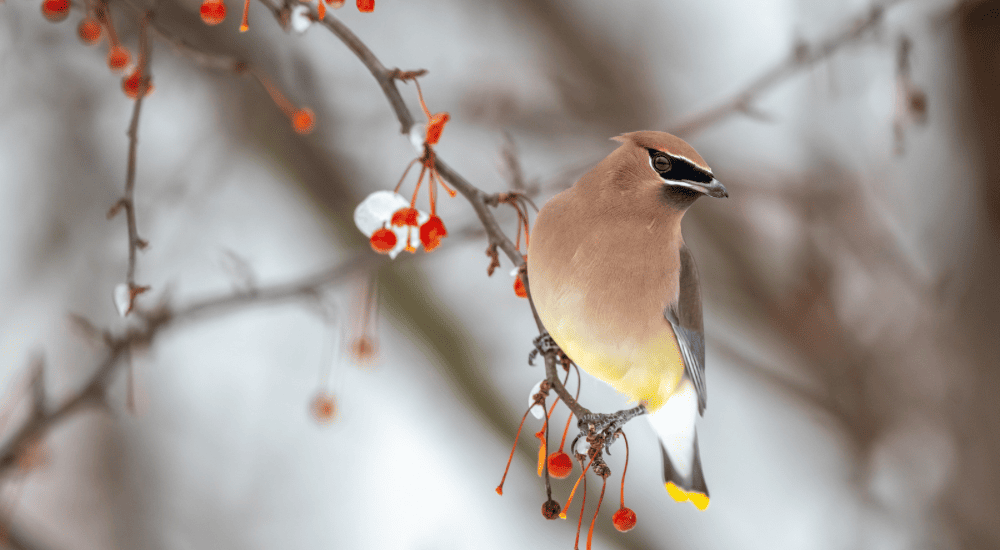
Evergreens are the backbone of winter cover. They reduce wind exposure, offer protected roosting locations, and create essential structure in otherwise open spaces. Deciduous plants contribute in different ways. Berry-producing trees and shrubs can provide natural food, while seed-bearing perennials and ornamental grasses may keep birds fed if their heads are left standing.
In Alberta gardens, choose species based on hardiness, site conditions, mature size, and local suitability. The principle is more important than any single plant list: choose a mix that provides dense cover, persistent fruit where appropriate, seeds, branching structure, and seasonal variety.
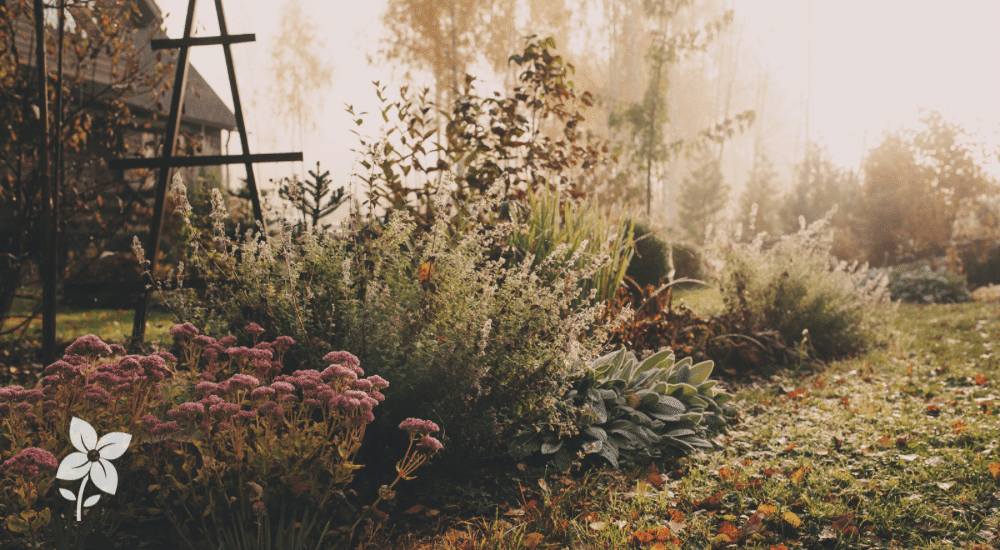
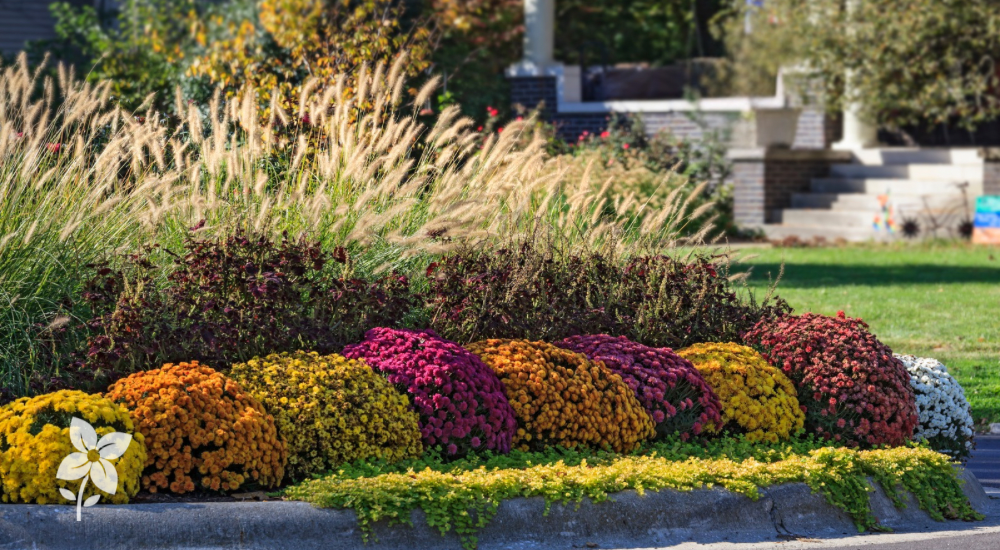
Leaving some seed heads intact is one of the easiest improvements homeowners can make. Coneflowers, sunflowers, grasses, and other seed-producing plants may keep offering food after frost. Their dried stems also hold snow beautifully, giving the dormant garden texture and silhouette.
Seen this way, the winter garden becomes a living pantry and protective canopy rather than a space waiting for spring. Its usefulness changes with the season.
Keep Feeding Areas Clean and Well Maintained
Responsible feeding depends on good hygiene. Feeders, water basins, and the area under them can all collect waste, damp seed, droppings, and debris, so regular maintenance should be part of the winter routine.
Check feeding stations frequently. Discard food that is wet, clumped, mouldy, or foul-smelling. Clean feeders according to the manufacturer’s instructions, and let them dry thoroughly before refilling. If many birds use the same area, you may need to clean more often.
Birdbaths also need regular attention. Replace water often, remove debris, and clean the basin to prevent algae, droppings, and organic material from building up. Inspect heated units periodically to ensure cords and heating elements remain in safe condition.
The surrounding ground matters too. Remove excessive seed hulls and spilled food, especially during warmer winter spells when dampness can accelerate spoilage. Small maintenance habits make a big difference and help keep the feeding area healthier for the backyard birds using it.
Design a Backyard That Welcomes Birds and People
A bird-supportive garden does not have to look wild or neglected. In fact, some of the most successful winter landscapes are carefully designed, with wildlife value woven directly into their beauty.
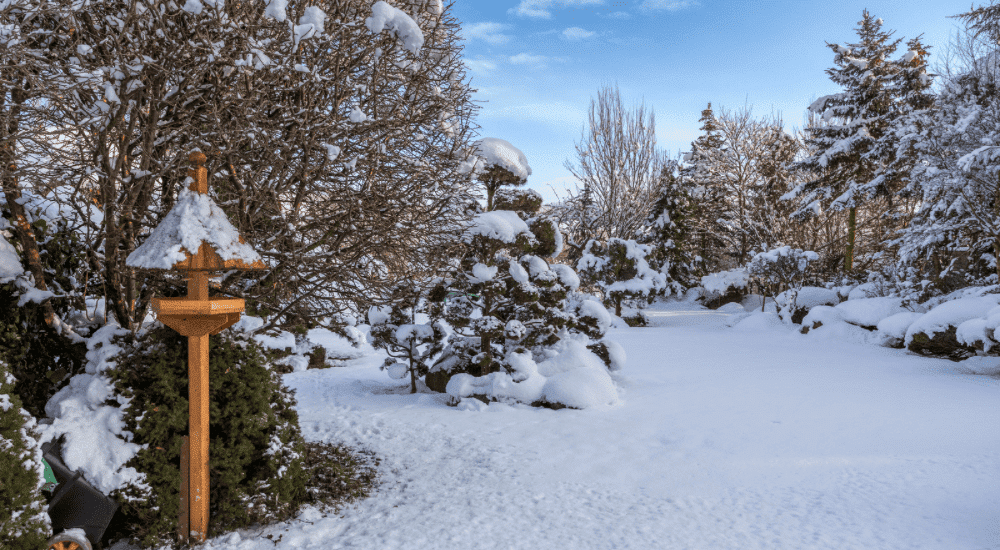
Start with structure. Evergreens create strong vertical and horizontal forms when snow covers the ground. Berry-bearing shrubs add colour. Ornamental grasses catch frost. Retained perennial stems create delicate shadows in low winter light. Add a well-placed feeding station and open water, and suddenly the scene gains movement as well as form.
Sightlines matter too. Place key features where you can enjoy them from indoors without jeopardizing bird safety. A feeder visible from a breakfast nook or living room can transform an ordinary winter morning into a perpetual nature study. Children notice different species. Gardeners begin to see which plants attract activity. The yard becomes something to observe even when little traditional gardening is happening.
This is the deeper appeal of bird-friendly landscaping. It joins ecology with aesthetics. The homeowner gains texture, colour, rhythm, and seasonal interest; birds gain food, shelter, and safer places to pause. Beauty and biodiversity share the same address.
Let Winter Bring the Garden to Life
Winter may quiet an Alberta garden, but it does not silence it. Beneath the snow and between the evergreens, life continues to move, feed, shelter, and adapt. By providing dependable food, unfrozen water, protective planting, safer feeding areas, and thoughtful maintenance, homeowners can turn a frozen yard into a place that still feels active and connected to the natural world.
The reward is both practical and emotional. Birds gain access to valuable resources during a demanding season, while homeowners gain a winter landscape animated by wingbeats, flashes of colour, and small daily moments of discovery. With a little care and a garden designed to work beyond summer, winter birds can remind us that the garden is never truly asleep; it is simply living by a different rhythm. Visit Salisbury Greenhouse for bird-feeding supplies, winter-friendly plants, and expert advice to help create a backyard that supports local birds all season long.