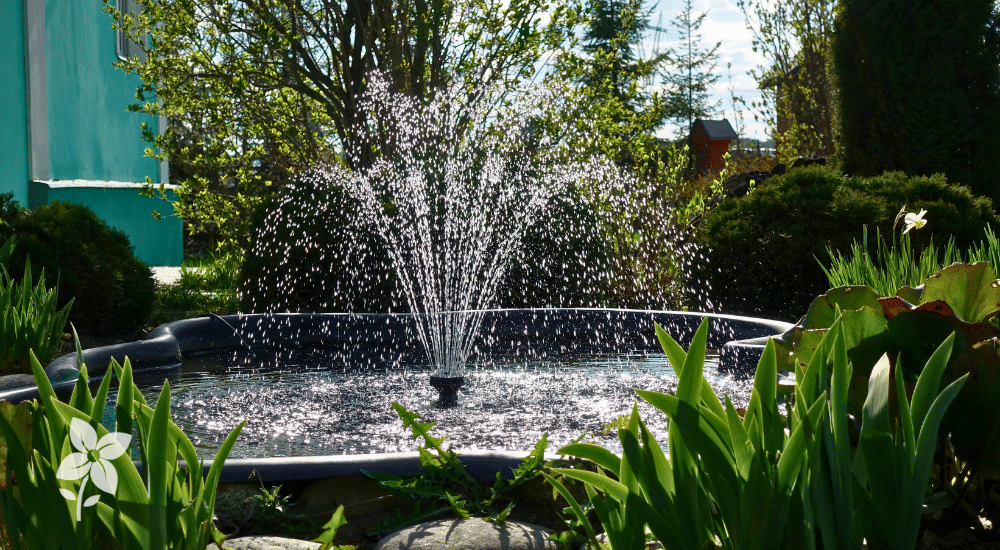
Backyard water feature ideas can begin with something remarkably simple: a single fountain that gives the garden movement, music, and a new sense of life. A landscape may already have colour, structure, texture, and seasonal beauty, yet still feel as though one note is missing. Flowers sway. Leaves flutter. Grasses catch the breeze. But water adds another layer entirely—a living, shifting presence that changes from one moment to the next.
A fountain gives a garden a voice.
Its sound may be soft enough to sit beneath birdsong or strong enough to blur the hum of traffic beyond the fence. Its surface catches sunlight, reflects the sky, and breaks the stillness of stone, soil, and foliage. Even in a modest yard, the addition of water can make the landscape feel more complete, as though the final brushstroke has been added to a painting.
Think of a fountain as the finishing note in a song or the heartbeat of a landscape. It does not need to dominate the space to change it. In fact, some of the most memorable water features are compact, restrained, and thoughtfully placed. A small bowl with water bubbling gently over its rim can transform a quiet patio. A slender fountain tucked among ornamental grasses can bring an overlooked garden bed into focus. A tiered design near an entrance can offer a graceful welcome before anyone reaches the door.
The power of an outdoor fountain lies not only in how it looks, but in how it changes the experience of being outside. It encourages the eye to pause, the ear to listen, and the body to settle. Suddenly, the yard is no longer simply viewed through a window or crossed on the way to the garage. It becomes somewhere worth staying.
 More Than Decoration: Why Water Changes Everything
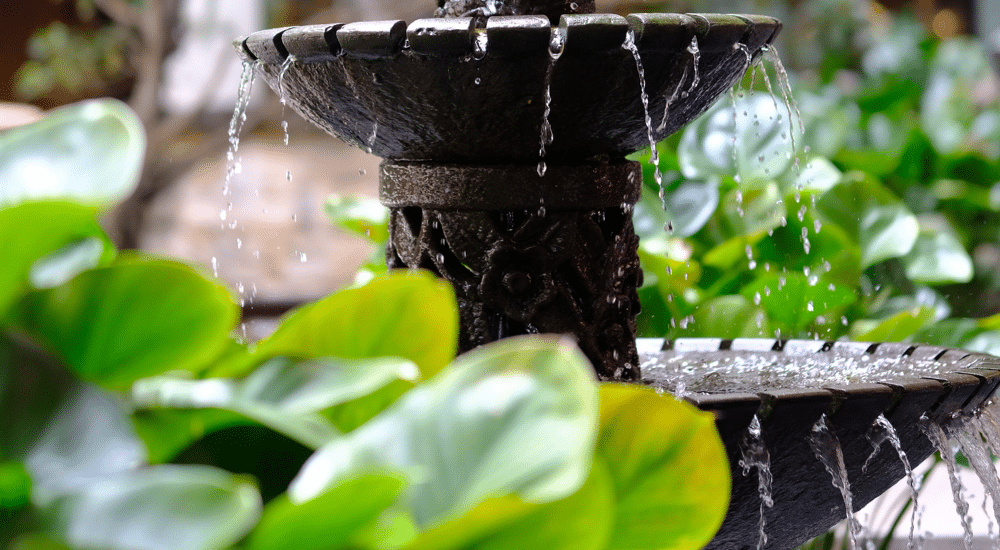
Water affects a landscape in ways that are both immediate and subtle. Visually, it introduces motion. Emotionally, it introduces calm. Acoustically, it softens the sharp edges of the world beyond the garden.
The gentle sound of flowing water can help reduce the impact of nearby traffic, neighbours, air-conditioning units, and other everyday background noise. It does not erase those sounds completely, but it gives the ear something more pleasant to follow. The result is not silence, but softness—a more layered and peaceful atmosphere.
In this way, water becomes a quiet conductor orchestrating the sounds and rhythms of the garden. Birds call from the trees, leaves rustle overhead, bees move through the flowers, and the fountain ties these separate notes together. The landscape begins to feel immersive rather than merely decorative.
Movement is equally important. Many garden elements are designed to remain still: retaining walls, pathways, planters, fences, benches, and architectural plants. A garden fountain creates contrast by refusing to be static. Water rises, spills, ripples, and catches light. It changes with the wind and glows differently as the sun moves across the sky.
That contrast is especially striking when water is paired with natural materials. Against rough stone, it appears fluid and luminous. Beside weathered wood, it feels fresh and alive. Surrounded by broad leaves or fine-textured grasses, it reflects the plants while giving them a new sense of depth.
Most importantly, a fountain can change how a yard is used. A space that once felt like a route from the house to the shed may become a place for morning coffee. A patio that looked complete but felt flat may become more inviting. A bench at the edge of a garden bed may finally feel connected to its surroundings.
Water has a way of turning a place people pass through into a place they linger.
 Creating a Natural Focal Point
Every well-designed landscape benefits from a clear focal point. Without one, the eye may wander without finding a place to rest. Plants, furniture, pathways, and structures can all be beautiful individually, yet the composition may still feel scattered.
A fountain creates focus naturally. The sound draws attention before the feature itself is even seen, and the movement of water rewards the eye once it arrives. It becomes the jewel in the crown of the landscape—not necessarily the largest element, but the one that gives the surrounding design greater purpose.
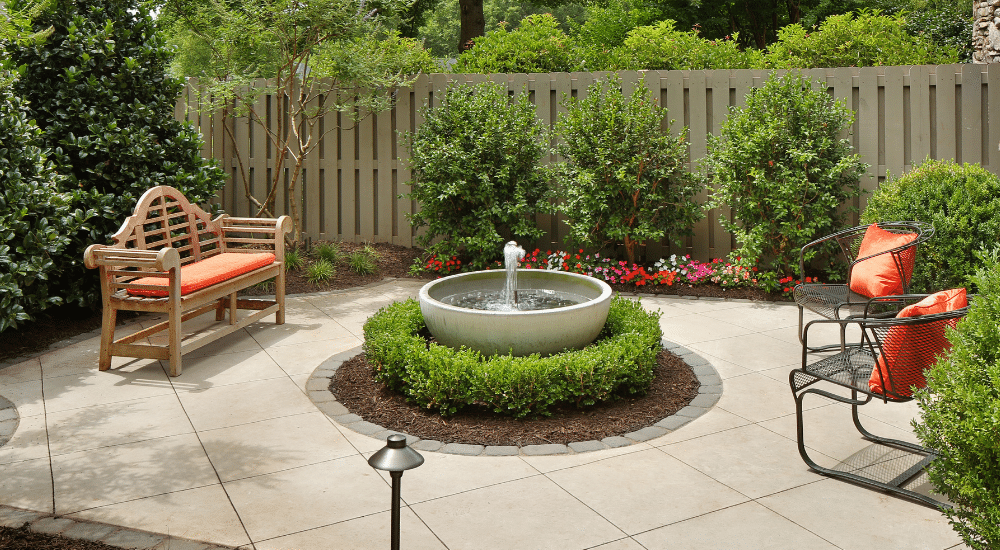
Placement determines how strongly the fountain shapes the space. Near an entrance, it can establish a welcoming mood and create a memorable first impression. Beside a patio or seating area, it becomes part of the daily experience of relaxing outdoors. Within a garden bed, it can anchor surrounding plants and give the planting scheme a strong visual centre.
A fountain can also guide movement through the yard. Positioned at the end of a pathway, it creates a destination. Set within view of a doorway or kitchen window, it connects indoor and outdoor spaces. Placed slightly off-centre, it can encourage the eye to travel across the landscape rather than stopping at the nearest object.
Scale matters, but bigger is not always better. A fountain should feel connected to its surroundings rather than dropped into them. A large, formal feature may suit a broad lawn or symmetrical garden, while a low bubbling vessel may feel more natural in an intimate courtyard. The goal is harmony: the fountain should command attention without overwhelming the plants, architecture, or people sharing the space.
Among the most effective backyard design ideas is to build outward from the focal point. Once the fountain is placed, nearby plantings can frame it. Repeating shapes, colours, or materials can help it belong. A stone fountain might be echoed by gravel, pavers, or boulders. A dark contemporary design might be surrounded by deep green foliage and clean-edged containers. The water becomes the centre of the composition, while everything around it strengthens the story.
 Small Space, Big Impact
Fountains are not reserved for sweeping estates or large formal gardens. In fact, small spaces often benefit most because every element carries greater visual weight.
A modest fountain can turn an overlooked corner into a destination.
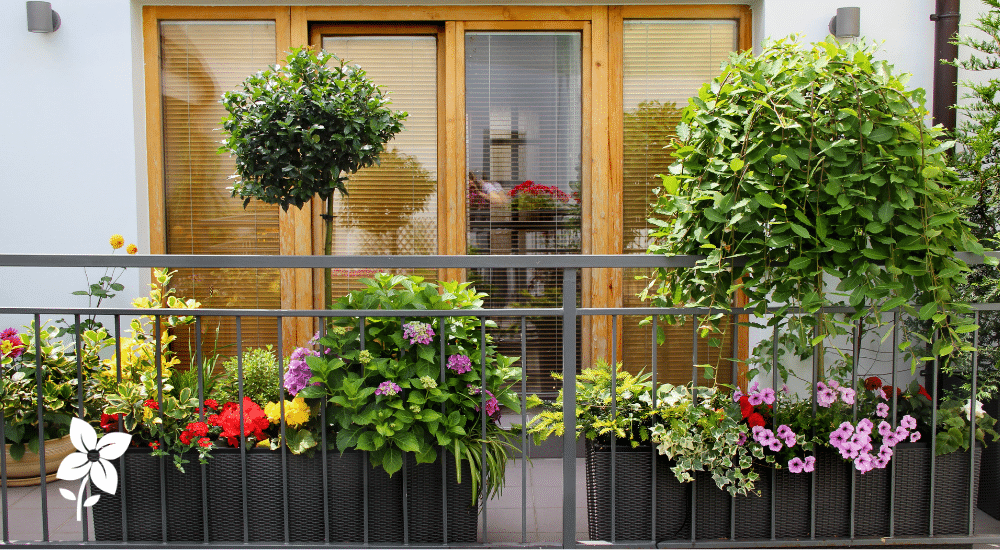
On a patio, a compact tabletop or floor fountain can soften the hard surfaces of concrete, brick, or composite decking. On a balcony, a small self-contained feature can bring the sound of water into a space where planting room is limited. In a narrow side yard, a vertical fountain can draw the eye upward and make the area feel more deliberate.
Vertical designs are especially useful where floor space is precious. Wall-mounted fountains, tall spillways, and slender columns create movement without occupying a wide footprint. Their height makes them visible behind furniture or low plantings, while their sound can fill the entire area.
Water can also create the illusion of greater depth. Reflections make a small garden feel less confined, while movement prevents the space from appearing flat. When a fountain is positioned at the far end of a patio or pathway, it creates a visual destination that makes the journey toward it feel longer and more intentional.
Small-space design works best when every piece earns its place. A fountain can serve several roles at once: focal point, sound feature, reflective surface, and decorative accent. Few additions offer that much sensory impact in such a compact form.
Homeowners working with limited space should think creatively about underused areas. A blank wall, an empty corner beside the steps, a gap between containers, or a quiet section of a garden bed may be all the space required. Rather than filling every corner with more furniture or more plants, water can provide contrast and breathing room.
Surprisingly Simple: Modern Fountain Options
The idea of installing a fountain may bring to mind excavation, plumbing, complicated pumps, and ongoing maintenance. While some large custom installations do require professional planning, many contemporary fountains are designed to be remarkably approachable.
Self-contained fountains hold and recirculate their own water. The basin, pump, and water path are integrated into a single unit, so there is no need to connect the feature to a permanent water line. Once the fountain is placed on a stable, level surface, it is typically filled with water and connected to an appropriate power source according to the manufacturer’s instructions.
Plug-and-play models are particularly well suited to patios, decks, entrances, and smaller garden spaces. They allow homeowners to add the atmosphere of moving water without rebuilding the surrounding landscape. Some compact designs may also use solar-powered pumps, though performance depends on sunlight conditions and the specific model.
Routine care is generally straightforward. Water levels should be checked regularly because evaporation can leave the pump exposed. Leaves and debris should be removed before they clog the intake. The basin and pump may need occasional cleaning to prevent buildup and keep the water moving freely. In climates with freezing winters, many fountains should be drained, cleaned, and protected or stored before temperatures drop, following the manufacturer’s care directions.
The exact maintenance schedule will depend on the fountain’s material, size, location, and water quality. A feature beneath trees may collect more debris. A shallow basin may lose water more quickly in hot or windy weather. Paying attention to these small variables keeps care manageable and prevents minor issues from becoming larger ones.
Like a perennial returning each season, a fountain rewards small efforts with enduring beauty. A few minutes of regular attention can preserve months of movement, sound, and enjoyment.
This balance—minimal effort with lasting impact—is one of the reasons fountains suit busy homeowners so well. The transformation feels substantial, yet the ongoing routine can remain simple.
Finding the Right Fountain for Your Style
The best fountain is not necessarily the most ornate or expensive. It is the one that feels as though it belongs in the landscape.
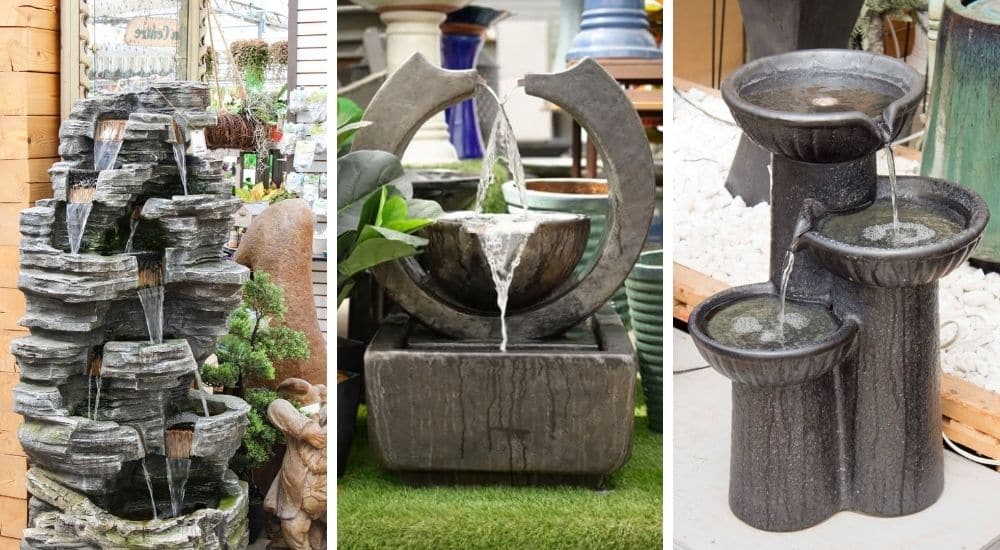
Modern and minimalist fountains often feature clean lines, simple geometric forms, and restrained surfaces. A modern garden fountain might use a narrow spillway, a smooth sphere, or a dark rectangular basin to create a controlled, architectural effect. These styles pair well with contemporary patios, structured plantings, metal accents, and uncluttered spaces.
Rustic fountains tend to feel softer and more organic. Stone-inspired finishes, weathered textures, and irregular forms help them settle naturally among shrubs, perennials, boulders, and woodland-style plantings. They can appear almost discovered rather than installed, as though water has always belonged there.
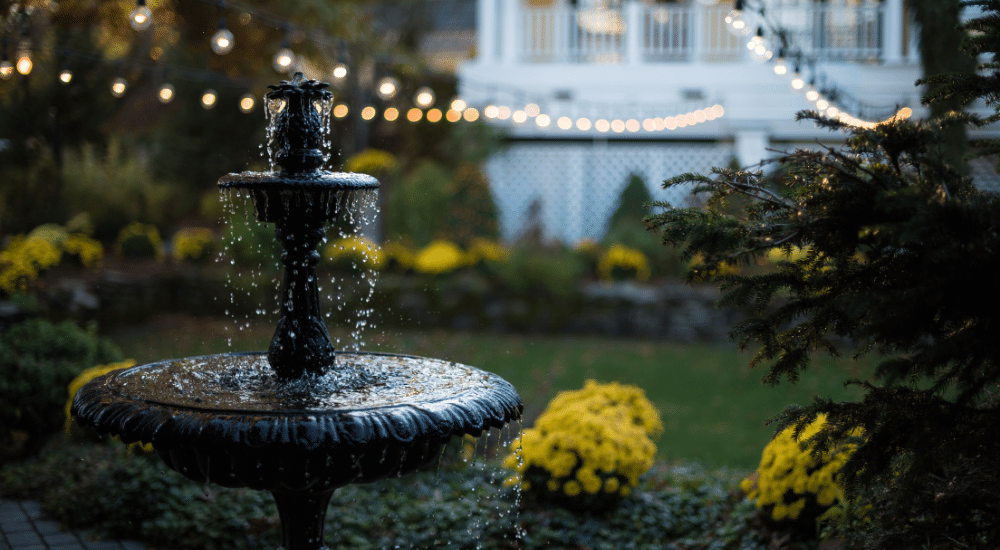
Traditional tiered fountains bring a sense of formality and old-world character. Their upward shape and repeating bowls create graceful movement while producing a more noticeable sound. They work especially well in symmetrical gardens, near entrances, or as central features in circular beds.
Contemporary statement fountains are designed to hold attention. Sculptural forms, bold finishes, and dramatic sheets of water can become outdoor artwork. These pieces are most effective when given enough visual space to breathe. Rather than crowding them with many competing elements, allow surrounding plants and materials to act as a frame.
When considering garden fountain ideas, begin with the character of the existing landscape. Is the garden loose and naturalistic, or crisp and architectural? Are the materials warm and rustic, or smooth and modern? Does the yard feel intimate, playful, formal, or relaxed?
Colour should also connect the fountain to its setting. Earth-toned finishes often blend into natural planting schemes. Dark charcoal or black surfaces can create striking contrast against pale paving and bright foliage. Light stone finishes may feel airy and traditional, particularly near stucco, brick, or classic garden structures.
Sound deserves equal attention. A gentle bubble suits a quiet reading corner. A taller drop creates a stronger, more energetic sound that may help mask nearby noise. Before choosing a fountain, imagine where people will sit and how close they will be. The goal is not simply to add water, but to shape the mood of the space.
Lighting can extend that mood into the evening. Some fountains include integrated lights, while others can be highlighted with nearby landscape lighting. A soft glow across moving water creates reflections that shift and shimmer after sunset, allowing the fountain to remain a focal point long after the rest of the garden has faded into shadow.
 Let Your Landscape Flow
Small changes can have a profound effect on how an outdoor space feels. Before a garden ever unfolds outdoors, its earliest story begins quietly on a windowsill—explore how starting seeds indoors sets the foundation for strong, resilient plants and a more successful growing season from the very first sprout. A new planting may add colour. A bench may add function. A fountain adds something more elusive: atmosphere.
Water brings beauty through reflection, movement through flow, and tranquillity through sound. It softens hard surfaces, animates quiet corners, and gives the landscape a rhythm that continues whether anyone is watching or not. Over time, the fountain becomes more than an accessory. It becomes part of the garden’s personality—familiar, grounding, and unmistakably alive.
The most successful outdoor spaces are not simply arranged; they are experienced. They invite people to notice the light, hear the leaves, feel the air, and remain present for a little longer. When space is limited but inspiration is not, the right design choices can completely reshape what feels possible—discover how thoughtful layouts, vertical planting, and clever container ideas can turn even the smallest corner into a lush, stylish retreat. A fountain strengthens that invitation without demanding a complete redesign.
For homeowners searching for backyard water feature ideas, the answer may not require a pond, a major renovation, or an elaborate installation. It may begin with one carefully chosen fountain, placed where its movement can be seen and its voice can be heard. Long after the flowers have faded and the sun has set, the gentle murmur of water remains—an invitation to slow down, stay awhile, and enjoy the garden in a whole new way.
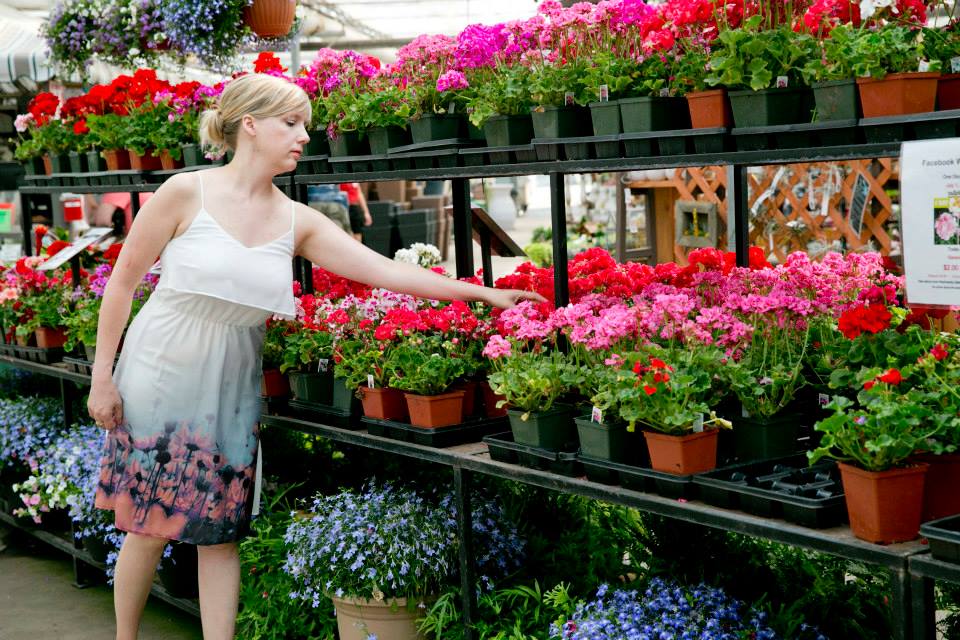
Ready to add movement, sound, and a new focal point to your outdoor space? Visit Salisbury Greenhouse in Sherwood Park or St. Albert to explore our selection of fountains and water features. Find the perfect fit for your garden, patio, or backyard retreat!