Snake plant care begins with understanding a plant that stands tall like a green sentry, watching over your living space with effortless elegance. With upright leaves that slice skyward and a reputation for resilience, the snake plant (Sansevieria) has earned its place as one of the most dependable companions in modern homes.
It is the quiet achiever of the houseplant world—adaptable, forgiving, and unbothered by the occasional lapse in attention. In a world of busy schedules, compact condos, growing families, and work-from-home offices, the snake plant offers something rare: beauty without drama.
Our guide will show you how its growth habit works in your favour, and how to keep it healthy for years with minimal effort. If you have ever wanted greenery that feels both stylish and sensible, you are about to meet your match!
Why the Snake Plant Works in Real Homes
Busy bedrooms, living lounges, or compact corners—snake plants silently shine.
The magic of this plant lies in its adaptability. It tolerates inconsistent watering. It accepts low light with grace. It grows slowly and steadily, never demanding constant pruning or repotting. In apartments with limited window space, in suburban homes with shifting light throughout the seasons, even in offices where fluorescent bulbs hum overhead—the snake plant remains calm and composed.
Think of it as a quiet companion. It does not sprawl wildly across shelves. It does not sulk when you forget it for a week. It simply stands tall and continues growing, leaf by leaf.
Many customers at Salisbury Greenhouse tell us the same story. xA snake plant purchased for a dim hallway corner is still thriving years later. A single plant on a bedroom dresser has slowly multiplied into several divisions. A tall upright snake plant anchors a minimalist living room, adding life without clutter.
Its versatility makes it one of the best indoor plants for people who want greenery that fits into real life—not a greenhouse fantasy, but everyday living.
For urban dwellers especially, the snake plant for apartment living is a natural choice. It tolerates lower light conditions and fluctuating humidity. It does not require elaborate care routines. It simply adapts.
 Growth Habit & Varieties
Architectural. Upright. Steady.
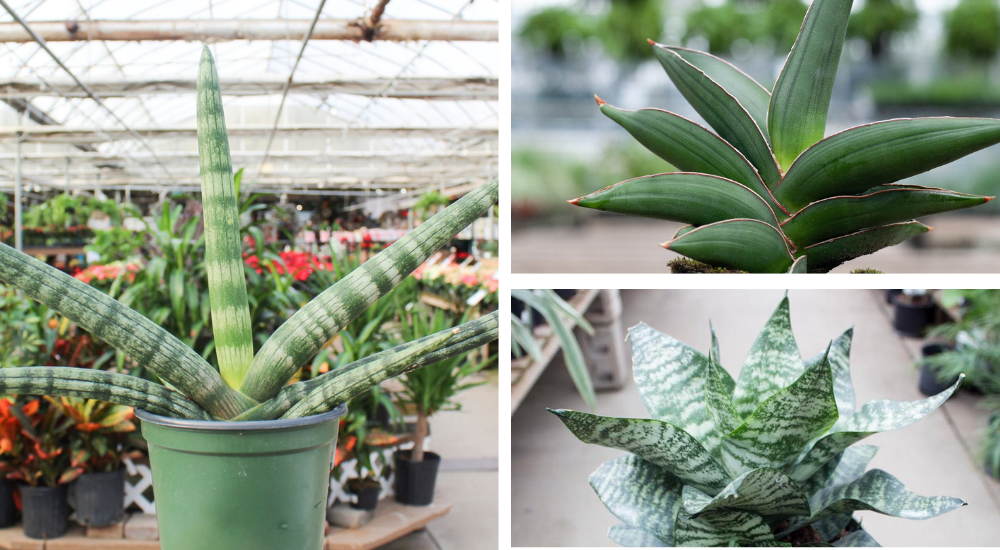
The snake plant grows vertically, forming structured rosettes of thick, sword-shaped leaves. Its growth is deliberate rather than explosive. While some houseplants vine and wander, the snake plant holds its ground.
Though its leaves are stiff and upright, its care is forgiving and flexible.
This combination of structure and simplicity is what makes it so appealing in modern interiors. The vertical lines draw the eye upward, adding height and elegance to shelves, floor planters, and tabletops.
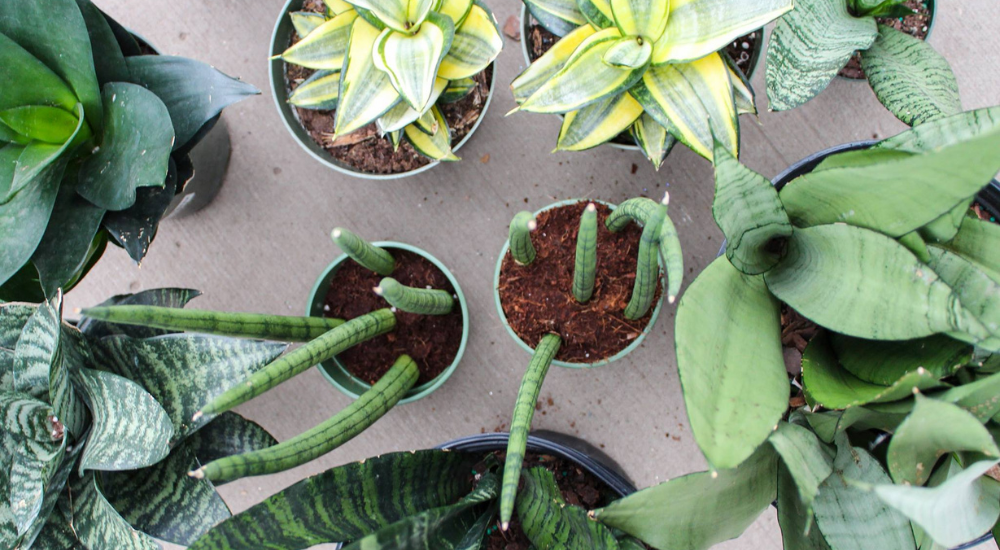
There are several popular snake plant varieties worth exploring:
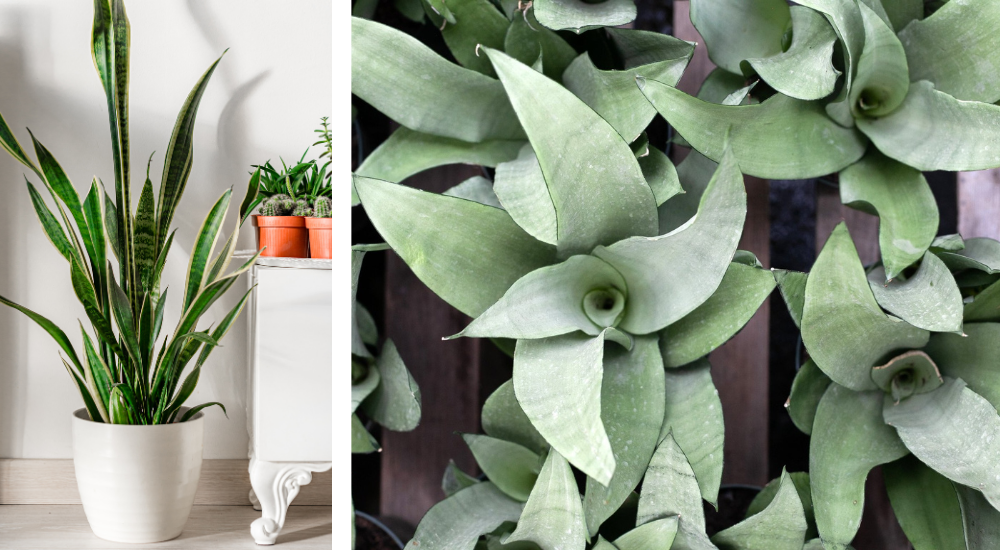
‘Moonshine’ – Soft silvery-green leaves with a luminous glow. Ideal for brightening neutral interiors.
‘Whale Fin’ – Broad, dramatic leaves that make a bold statement as a single specimen plant.
‘Bird’s Nest’ – A compact variety with shorter, rosette-forming leaves—perfect for smaller spaces or desks.
‘Laurentii’ is the classic everyone recognizes—deep green leaves edged in bold golden-yellow margins that instantly brighten a room. Its tall, upright form adds strong vertical lines to living rooms, offices, and entryways, while its easy-going nature makes it perfect for beginners.
Each variety offers a slightly different silhouette, but all maintain that signature upright snake plant form.
When choosing between snake plant varieties, consider your space. Tall ceilings benefit from elongated forms. Small condos or office desks may suit compact Bird’s Nest types. The growth habit remains steady and manageable across the board.
 Care Essentials
The beauty of the snake plant lies in its simplicity. Understanding how to care for a snake plant means mastering just a few essentials—and then resisting the urge to overdo it.
Watering: Less Is More
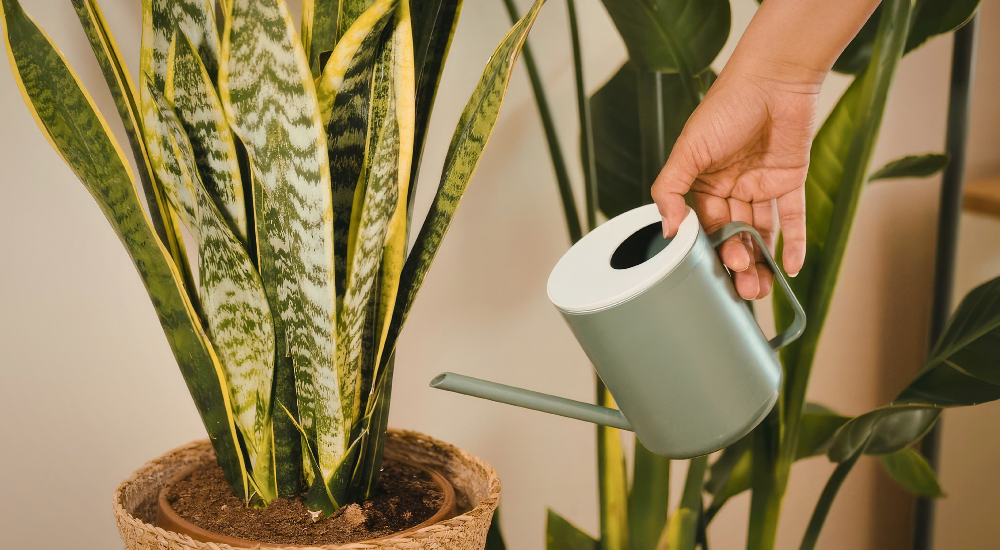
Overwatering is the snake plant’s arch-nemesis. These plants store moisture in their thick leaves and rhizomes. They prefer to dry out completely between waterings.
Snake plant watering schedule tips:
-Water only when the soil is fully dry.
-In winter, water even less frequently.
-Always use a pot with drainage.
-Empty excess water from saucers promptly.
If unsure, wait a few more days. Patience protects the roots.
Light Requirements
The snake plant is famously adaptable. It tolerates low light, indirect light, and even moderately bright conditions. While it can survive in lower light, it will grow more steadily in bright, indirect light. Avoid prolonged harsh direct sunlight, which can scorch leaves. This adaptability places it among the best low light indoor plants available today.
Soil & Repotting
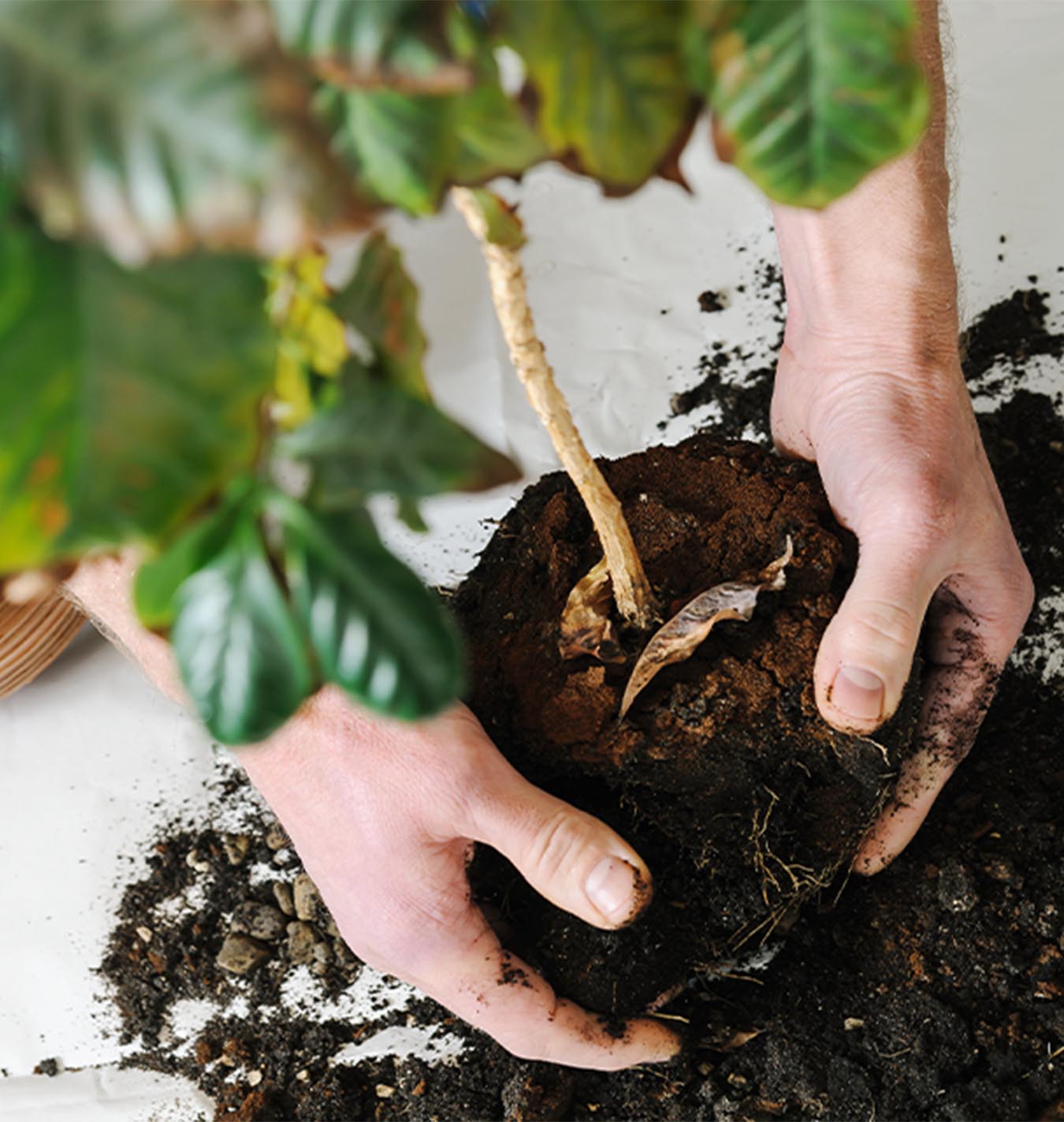
The best soil for snake plant health is well-draining and airy. A cactus or succulent mix works beautifully. Think of the pot as a cozy home for its roots. It prefers to be slightly snug rather than overly spacious. Repot only when roots begin to crowd the container or push upward.
Simple rule: drainage over decoration. A stylish pot is wonderful—but it must allow excess water to escape. Snake plant care truly rewards restraint. Water sparingly. Provide moderate light. Use well-draining soil. Then let it be.
 Common Problems & Troubleshooting
Though tough and resilient, the snake plant signals distress in subtle ways.
Yellowing Leaves
If you find yourself asking, “Why is my snake plant turning yellow?” the answer is often excess moisture. Yellowing typically indicates overwatering or poor drainage.
Solution:
Allow the soil to dry completely. Check drainage holes. Consider repotting into fresh, well-draining soil if root rot is suspected.
Drooping Leaves
Snake plant drooping leaves can occur when roots are compromised or the plant has been severely underwatered.
Antithesis defines this plant: rigid leaves, flexible care—but it cannot tolerate soggy soil.
Solution:
Inspect roots. Trim away any mushy sections. Repot in dry, fresh soil. Resume conservative watering.
Root Rot
This issue develops quietly beneath the soil. A foul smell or mushy base is a sign.
The fix is straightforward: remove affected roots, refresh soil, and adjust your watering habits.
Confidence grows with experience. The snake plant is forgiving, and most issues are reversible when caught early.
 Styling & Placement in the Home
It stands guard over your desk, a silent sentinel of calm and style. The snake plant’s vertical form makes it ideal for corners that need height. Place a tall variety in a simple ceramic pot beside a sofa. Add a compact Bird’s Nest to a coffee table. Position a Whale Fin on a console as a sculptural accent.
In bedrooms, it adds clean lines without visual clutter. In offices, it brings greenery without distraction. As snake plant living room decor, it blends seamlessly with modern, minimalist, or Scandinavian-inspired spaces.
Pair it with trailing plants for contrast. Combine it with textured foliage for depth. Or let it stand alone as a statement. Its structured leaves complement neutral palettes and contemporary furnishings beautifully. For renters who move frequently, its durability makes relocation stress minimal.
The low-maintenance snake plant thrives in spaces where other plants struggle. It tolerates inconsistent routines and adapts quietly. From compact condos to spacious homes, it offers style without fuss.
Reliable. Refined. Resilient.
The snake plant remains a steadfast favourite because it fits into real life. Its upright growth habit brings architectural elegance. Its adaptability supports beginners and seasoned plant owners alike. Its care requirements are simple and manageable. From corner to countertop, the snake plant is a steadfast, silent star of your indoor jungle.
When you understand the basics of snake plant care, you unlock a plant that rewards patience rather than perfection. Whether you are furnishing your first apartment, refreshing a home office, or expanding your indoor collection, this dependable houseplant deserves a place in your space!
Discover other easy-care indoor plants for your modern home—and build a collection that thrives as beautifully as you do. Visit Salisbury Greenhouse to explore the different snake plant varieties currently in stock, find the perfect fit for your space, and get expert advice to keep yours thriving for years to come.