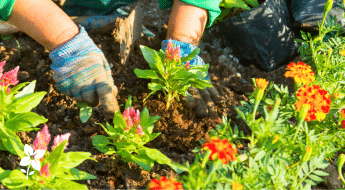
Small garden ideas can turn a cramped patio, balcony, or compact backyard into a jewel box of greenery, comfort, and charm. A small outdoor space does not have to feel like a compromise. With the right design choices, it can feel intentional, layered, and surprisingly generous, like a hidden courtyard tucked behind a city wall or a pocket-sized sanctuary waiting just beyond the door.
The magic of a small space lies in its intimacy. Every chair, planter, texture, and trailing stem has the chance to matter. There is no room for careless clutter, but there is endless room for creativity. A few thoughtfully chosen containers, a slim table, a climbing vine, and a soft place to sit can transform an ordinary slab of concrete into a little breath of fresh air. The key is not to fight the size of the space, but to work with it. Small footprints reward precision. They invite you to design with purpose, edit with confidence, and create atmosphere through details that feel personal rather than overwhelming.
Scale Matters — Let the Space Breathe
On a small patio or balcony, scale is everything. Oversized furniture in a compact outdoor space can feel like trying to fit a grand piano into a quiet reading nook. It may be beautiful on its own, but it steals the room’s rhythm. Suddenly there is nowhere to walk, nowhere to place a planter, and nowhere for the eye to rest.
Instead, choose pieces that let the space breathe. A bistro set is one of the simplest ways to create a charming dining spot without swallowing the entire patio. Two chairs and a small table can suggest morning coffee, evening drinks, or a slow Sunday breakfast without demanding more square footage than necessary. Foldable furniture is another brilliant option, especially for renters or condo dwellers who need flexibility. When not in use, it can tuck away neatly, leaving the space open for watering, entertaining, or simply stretching out in the sun.
Narrow benches also work beautifully in tight spaces. They can sit along a wall or railing, offering seating without interrupting movement. Add a few cushions, and suddenly that narrow bench becomes a quiet landing place, a reading corner, or a perch for watching the evening light shift across the garden.
Planters should also be chosen with scale in mind. Huge containers can look impressive, but too many large pots will quickly crowd a small patio. Slim-profile planters, rectangular troughs, and compact container groupings keep the garden feeling lush without blocking every pathway. The goal is not to fill every inch. The goal is to create rhythm: a place to sit, a place to grow, a place to move, and a little negative space that allows everything to feel calm.
 Grow Upward — The Art of Vertical Gardening
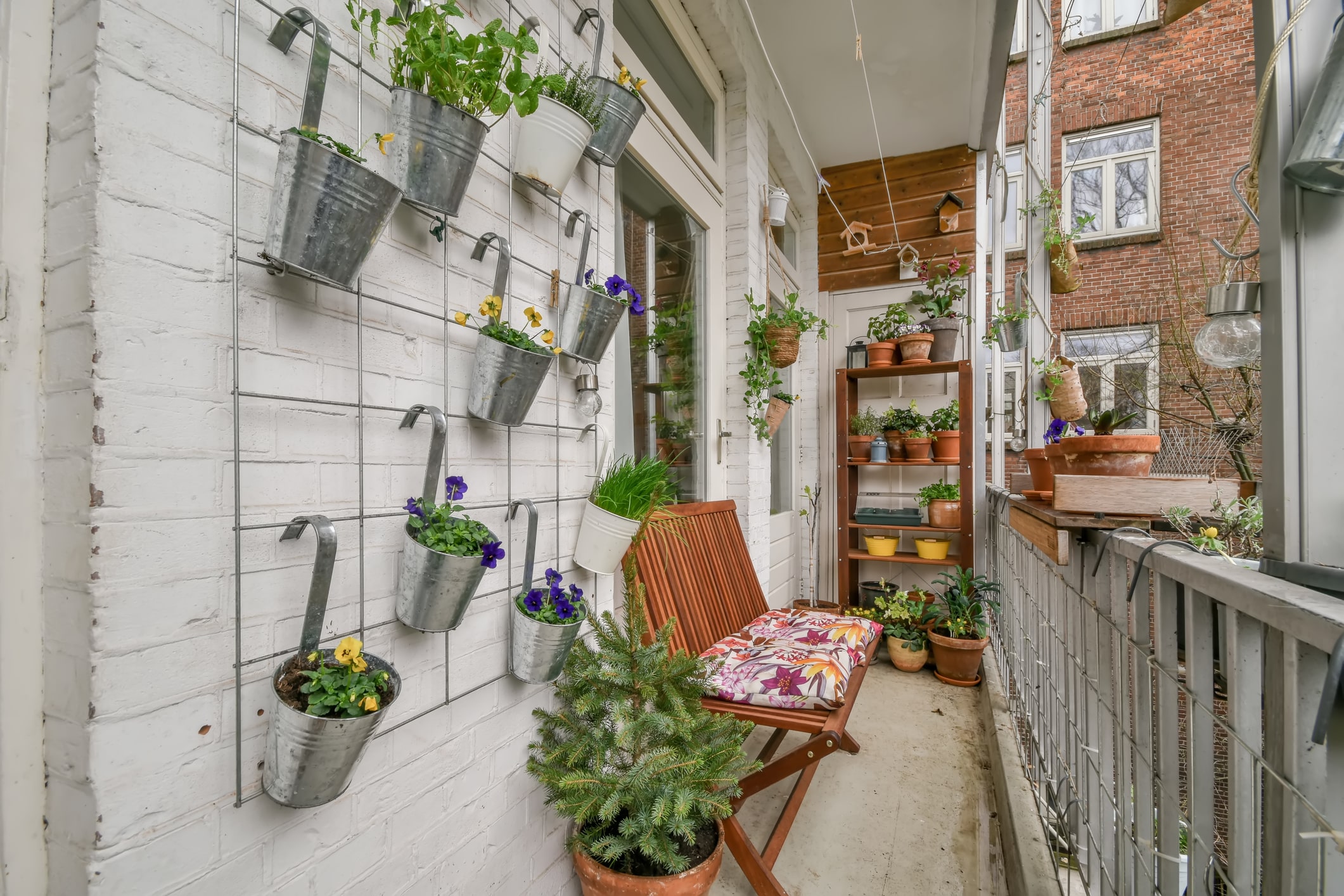
When floor space is limited, the walls are waiting. Fences, railings, posts, and exterior walls can become living surfaces, turning blank boundaries into lush vertical displays. This is where vertical garden ideas become especially powerful. They allow you to grow more without crowding the ground, drawing the eye upward and making the space feel taller, fuller, and more immersive.
Imagine a plain wall coming alive with cascading greenery, herbs spilling from shelves, or a trellis lifting blooms skyward like a ladder of colour and texture. Vertical gardening adds depth without demanding width. It softens hard edges, creates privacy, and gives even the smallest balcony the feeling of being wrapped in life.
Wall planters are excellent for herbs, annuals, compact foliage plants, and trailing varieties. They can be arranged in tidy rows for a modern look or staggered for a more natural, collected feel. Hanging baskets add another layer, especially when filled with trailing blooms or foliage that tumbles down like a green curtain. On balconies, railing planters can turn overlooked edges into productive, beautiful growing zones.
Trellises are especially useful for creating height and structure. They can support climbing vines, add privacy, or simply act as a decorative backdrop behind a seating area. Shelving is another smart option, particularly for herbs and smaller plants. A simple plant shelf can hold basil, thyme, parsley, trailing ivy, compact annuals, or decorative pots, creating a miniature living wall that feels abundant but organized.
For those searching for balcony garden ideas in Alberta, vertical growing can be especially helpful because it allows gardeners to make the most of short-season sunshine while keeping containers manageable, movable, and easy to protect when weather shifts.
 Layer Plants Like a Landscape Designer
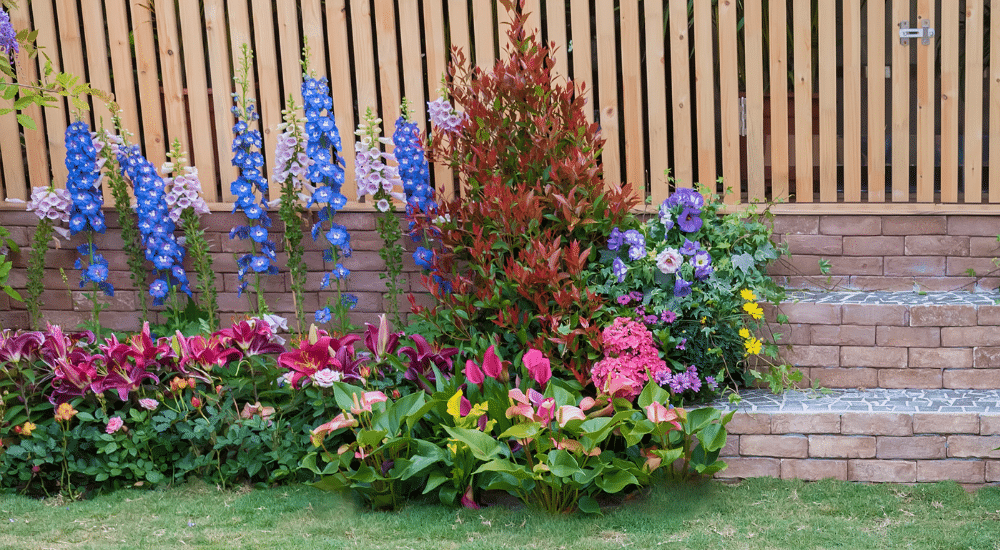
A beautiful container should feel like more than a pot with plants in it. It should feel like a living bouquet, a miniature landscape unfolding in layers. One of the most effective ways to create that richness is by combining different heights, textures, and growth habits.
The classic thriller, filler, spiller technique works beautifully in small spaces because it creates instant structure. The “thriller” is the upright star of the container, adding height and drama. This could be an ornamental grass, a spike, a compact shrub, or a bold foliage plant. It gives the eye somewhere to land.
The “filler” plants create fullness through the middle of the arrangement. These may include mid-height flowering plants, foliage plants, or compact annuals that bring colour and density. They are the chorus behind the soloist, quietly making the whole composition feel generous and complete.
The “spiller” plants trail over the edge, softening the container and connecting it visually to the surrounding space. Cascading vines, trailing blooms, or soft foliage can make a container feel relaxed and romantic rather than stiff. In a small patio, these trailing details matter. They blur hard edges, add movement, and make the garden feel as though it is gently spilling into the room.
Layering also helps create depth. Place taller containers or plants toward the back, medium plants through the middle, and trailing or lower plants near the front. Even in a space no bigger than a balcony, this simple approach can create the feeling of a larger landscape. It gives the eye somewhere to travel, which makes the space feel more expansive.
Texture is just as important as colour. Pair fine, airy foliage with broad leaves. Combine upright forms with rounded mounds. Let glossy leaves sit beside soft blooms. A small garden does not need dozens of plant varieties to feel lush; it needs contrast, repetition, and thoughtful placement.
 Define the Space — Create Outdoor Rooms
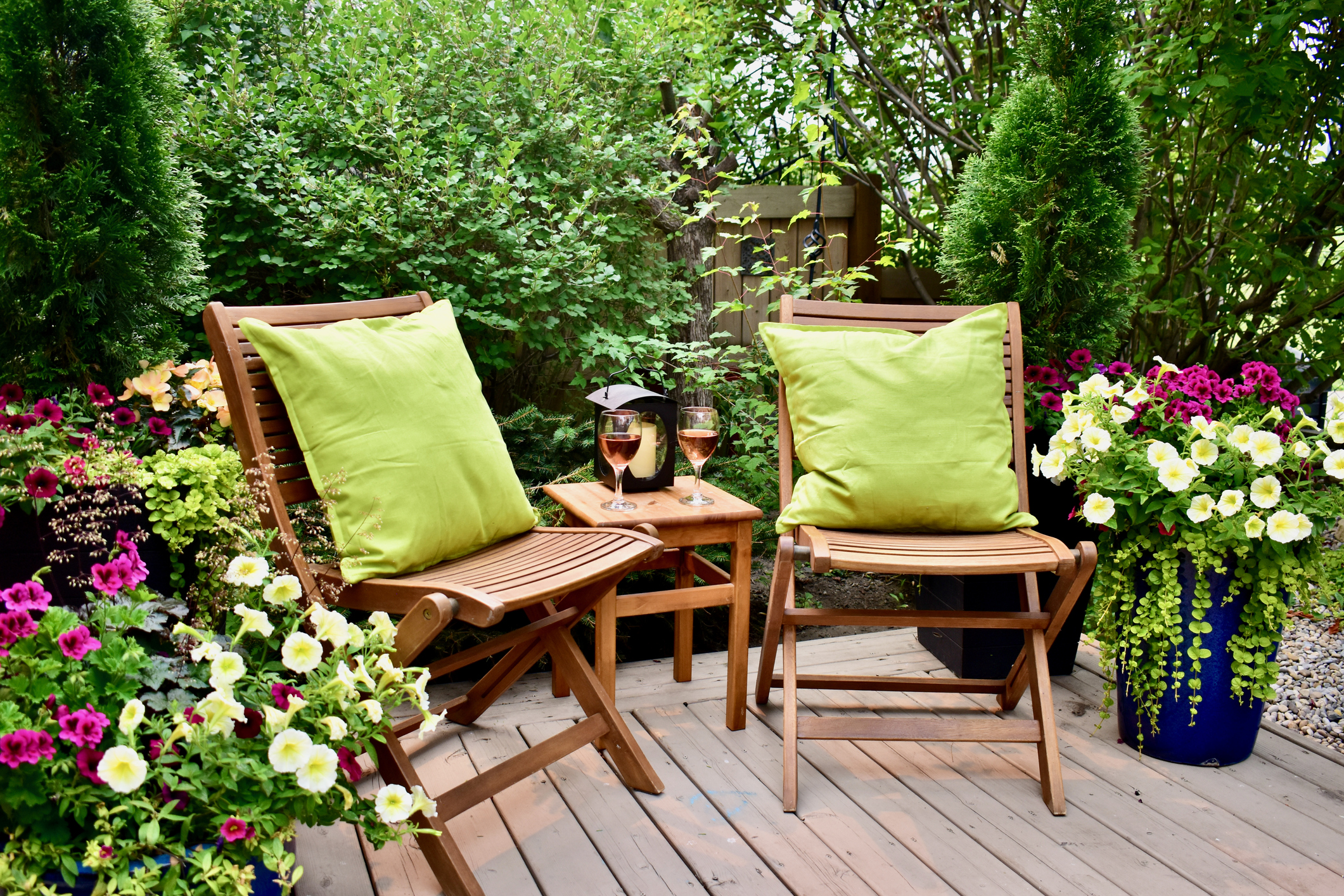
A small patio works best when every corner has a purpose. Think of it as a tiny stage where each piece has a role to play. Without structure, compact outdoor areas can quickly feel crowded. With simple zoning, they begin to feel intentional.
Outdoor rugs are one of the easiest ways to define a seating area. A rug under a bistro table or lounge chair creates the feeling of an outdoor room, even if that “room” is only a few feet wide. It visually anchors the furniture and gives the space a sense of warmth and completion.
Planters can also act as subtle borders. A row of containers along one edge can separate a lounging area from a dining nook or create a soft green boundary around the patio. Tall planters or privacy screens can add enclosure, making the space feel more intimate without closing it in completely.
Furniture placement should guide movement. Leave enough room to walk comfortably, open doors, and access plants for watering. A chair angled toward a view, a table tucked against a wall, or a bench placed along the longest edge can make the layout feel natural instead of forced.
For compact backyards, many small backyard ideas rely on this same principle: define zones clearly, even when the zones are tiny. A small café-style seating area, a container garden along the fence, and a narrow pathway can make a modest backyard feel like a series of thoughtful moments rather than one cramped space.
The goal is not to divide the area into pieces so small they become unusable. The goal is to give the space a sense of order. When lounging, dining, planting, and moving each have their place, the whole area feels calmer and more functional.
 Simplicity Creates Sophistication
In small spaces, too much variety can quickly turn into visual noise. A dozen planter colours, five furniture finishes, and every flower shade under the sun may sound cheerful, but the result can feel chaotic. Sometimes the most sophisticated thing a garden can do is whisper instead of shout.
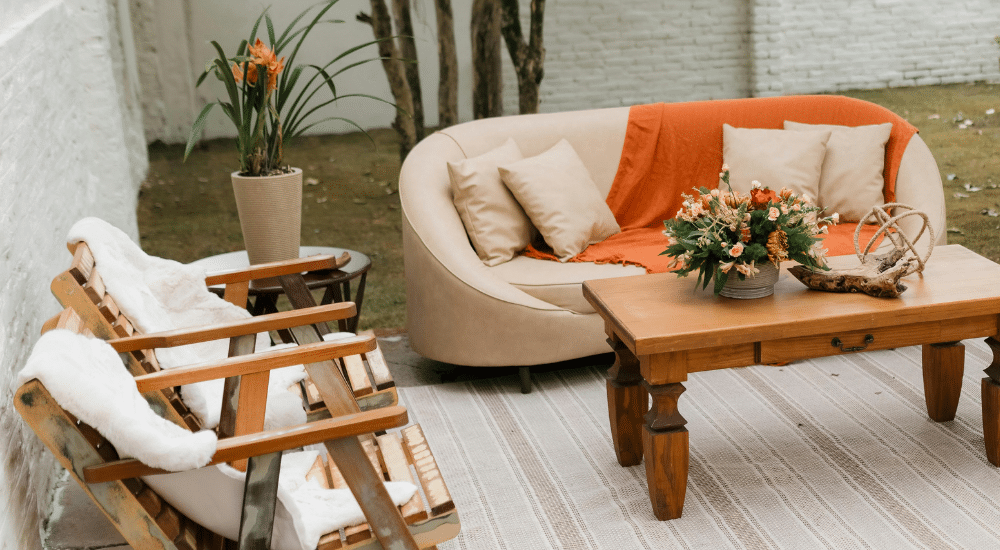
A cohesive palette calms the eye. Choose a limited range of colours and repeat them throughout the space. That might mean neutral cushions with one accent colour, terracotta planters repeated in different sizes, or a mix of green foliage with a few carefully chosen bloom colours. Repetition creates harmony, and harmony makes a small space feel larger.
This does not mean the garden has to be boring. Far from it. A restrained palette often makes details stand out more. A white flower glows brighter against deep green foliage. A burgundy leaf feels richer when it is not competing with every other colour in the rainbow. A single accent cushion can feel intentional rather than accidental.
Repeating materials also helps. If your planters are mostly black, clay, concrete, or woven natural textures, the space will feel more polished. If your furniture has clean lines, let your accessories echo that simplicity. If your style is cozy and collected, choose containers and textiles that feel warm without becoming cluttered.
A small garden is like a well-edited sentence. Remove what does not serve the feeling, and the message becomes stronger.
 Choose Pieces That Work Twice as Hard
In a compact outdoor retreat, every piece should earn its keep. Furniture and accessories need to be more than decorative; they should quietly multitask in plain sight.
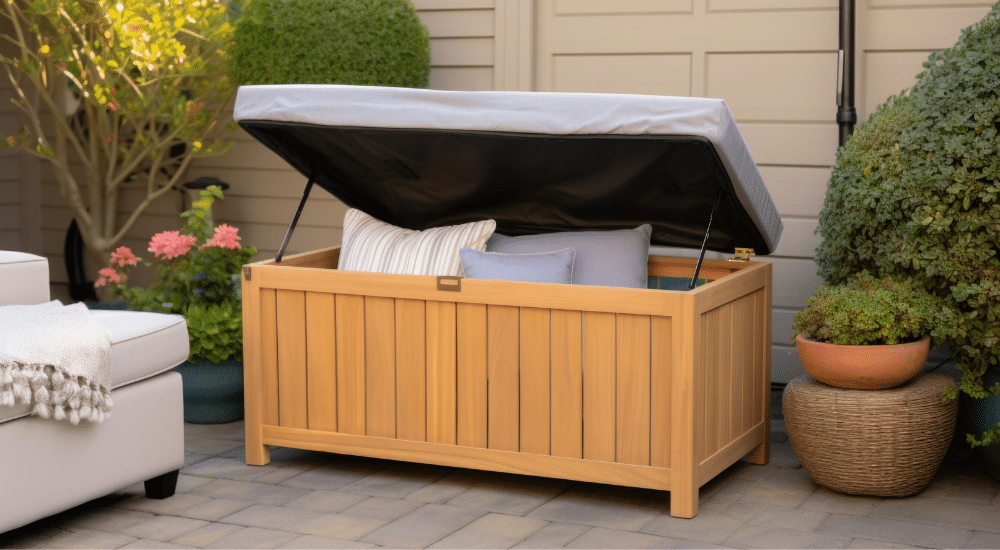
Storage benches are one of the best examples. They provide seating while hiding cushions, tools, watering cans, or small garden supplies. This keeps the space looking tidy, which is especially important when there is nowhere for clutter to disappear. A small patio can feel messy very quickly, so built-in or hidden storage is a gift.
Nesting tables are another clever choice. They can be spread out when entertaining and tucked together when not needed. A small side table can hold a drink, a book, or a potted herb, then move easily when the space needs to shift.
Plant stands with shelves allow gardeners to display multiple containers vertically rather than spreading them across the floor. This adds height, keeps plants organized, and makes watering easier. Fold-away furniture can also be invaluable, especially on balconies where space may need to serve different purposes throughout the day.
Even planters can work twice as hard. Tall containers can frame a seating area while providing privacy. A trough planter can define an edge while growing herbs. A trellis planter can support climbing plants while softening a wall or screen.
The best small-space pieces do their jobs quietly. They do not announce their cleverness. They simply make the space work better, feel better, and look more intentional.
Beautiful outdoor living is not measured in square footage. It is measured in atmosphere, comfort, and the quiet pleasure of stepping outside into a space that feels like it was made for you. A compact patio, balcony, courtyard, or small backyard can still feel expansive when every detail is chosen with care.
The most memorable small spaces are rarely the ones packed with the most things. They are the ones with intention. A slim chair placed in the right patch of sun. A trailing plant softening the edge of a railing. A wall lifted into bloom. A few containers arranged like a tiny landscape. These details create a feeling larger than the footprint itself.
With thoughtful scale, vertical growing, layered containers, defined zones, cohesive colours, and hardworking furniture, small garden ideas become more than design tips. They become a way to turn limited space into daily delight. A handful of pots, a comfortable chair, and a little greenery can turn even the smallest patio into a breath of fresh air.
Visit Salisbury Greenhouse in Sherwood Park or St. Albert to find the perfect plants, containers, and space-saving ideas to bring your small garden to life!