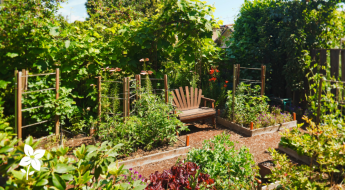
Garden pest identification becomes especially important in late July, when the summer garden is at its fullest, leafiest, most abundant stage. This is the moment when everything seems to be showing off at once: tomatoes stretching toward the sun, roses opening in layers, petunias spilling over containers, beans climbing, herbs thickening, and perennial borders humming with colour and life. The garden feels generous. It looks lush, established, and confident.
But midsummer beauty can be a little deceptive.
Beneath that canopy of green, pests often find exactly what they need: warmth, shelter, tender new growth, and plenty of places to hide. A garden that looked pristine on Monday can show curling leaves, speckled foliage, sticky stems, or chewed buds by Friday. The trouble rarely begins as dramatic invasion. It usually starts quietly, tucked under a leaf, clustered along a soft stem, or hidden in the center of fresh growth.
That is why late July is such a critical time to slow down and look closely. Not panic. Not hover. Just observe. A few minutes of careful inspection can reveal the early warning signs before a minor pest problem becomes a full-blown infestation. The goal is not to create a perfectly pest-free garden because that does not exist in any living landscape. The goal is to notice changes early enough that your plants can keep growing, blooming, and producing without being overwhelmed.
Midsummer garden care is part science, part habit, and part gardener’s instinct. Once you know what to look for, the garden starts speaking in small signals: a yellowed leaf, a ragged edge, a bit of webbing, a cluster of insects on new growth. Those clues matter. Here is what gardeners should be watching for as summer pests become more active.
Why Midsummer Is Prime Time for Garden Pests
By midsummer, the garden has become a dense and delicious world. Plants are bigger, fuller, and closer together. The weather is warmer. Insects are more active. Growth is fast, but so is stress. All of these factors create ideal conditions for pest populations to build up.
Warm temperatures speed up insect life cycles. Many common garden pests reproduce more quickly in summer heat, which means a small group can multiply into a noticeable problem in a short period of time. Aphids, for example, can reproduce rapidly when conditions are right. Spider mites also thrive when the weather turns hot and dry. Caterpillars can feed heavily while they are in their growing stage, leaving behind damage that seems to appear almost overnight.
Dry conditions can make plants more vulnerable. When plants are under water stress, they are less able to defend themselves and recover from damage. Leaves may become thinner, growth may slow, and stressed plants can become easier targets for pests. A thirsty plant is like a tired athlete; it can still perform, but it has fewer reserves when something goes wrong.
Dense plant growth also gives pests more cover. By late July, gardens are often thick with foliage. Annuals have filled in, vegetables are sprawling, perennials are leaning into one another, and shrubs may have put on a flush of new growth. That abundance is beautiful, but it also creates shaded, protected areas where pests can feed and reproduce unnoticed.
This is why early detection matters so much. A few aphids on one stem are much easier to manage than colonies spread across several plants. A small patch of spider mite damage is easier to address than a whole container planting that has turned pale and webbed. One caterpillar caught early can save a surprising amount of foliage.
The garden does not need fear-based care. It needs rhythm. Regular inspection gives gardeners the chance to respond while problems are still small, which is one of the most useful Alberta gardening tips for keeping both ornamental and edible gardens healthier through the short, intense growing season.
Early Signs of Garden Pests You Should Never Ignore
Pests rarely announce themselves with a grand entrance. More often, they leave clues. Learning to recognize those clues is one of the most useful skills a gardener can develop.
Holes and ragged leaf edges are among the most obvious signs. These can point to chewing pests, including caterpillars and other leaf-feeding insects. The shape and pattern of the damage can offer hints. Large, irregular holes often suggest something has been actively eating the foliage. Missing sections along leaf edges may indicate repeated feeding over several days.
Sticky residue on leaves or stems is another important warning sign. This sticky substance is called honeydew, and it is often associated with sap-sucking pests such as aphids. It may appear as a shiny film on leaves, stems, patio furniture, or even the ground beneath an infested plant. Honeydew can sometimes lead to sooty mold, a dark coating that grows on the sugary residue and makes plants look dirty or stressed.
Curled, twisted, or distorted leaves are worth investigating. Tender new growth is especially attractive to sap-sucking insects. When pests feed on young leaves and shoots, the growth may pucker, curl, bend, or fail to open properly. This kind of distortion can appear on annuals, vegetables, roses, shrubs, and perennials.
Yellowing or stippled foliage is another subtle but serious clue. Stippling looks like tiny pale dots or speckles scattered across the leaf surface. This is often associated with spider mite feeding. From a distance, the plant may simply look faded, dusty, or tired. Up close, the leaves tell a clearer story.
Fine webbing between stems and leaves should never be ignored. Spider mite webbing can be delicate and easy to miss at first, especially on dense plants or hanging baskets. By the time webbing is obvious across several parts of the plant, the population may already be well established.
Chewed flower buds and damaged new shoots can also signal pest activity. Buds are tender, nutritious, and easy to feed on. If flowers fail to open properly or new shoots look clipped, chewed, or ragged, take a closer look.
The most important inspection habit is simple: look at both the tops and undersides of leaves. Many pests prefer the sheltered underside, where they are protected from sun, wind, rain, and casual glances. A plant can look fine from above while a miniature drama is unfolding underneath.
Common Garden Pests to Watch for in Late July
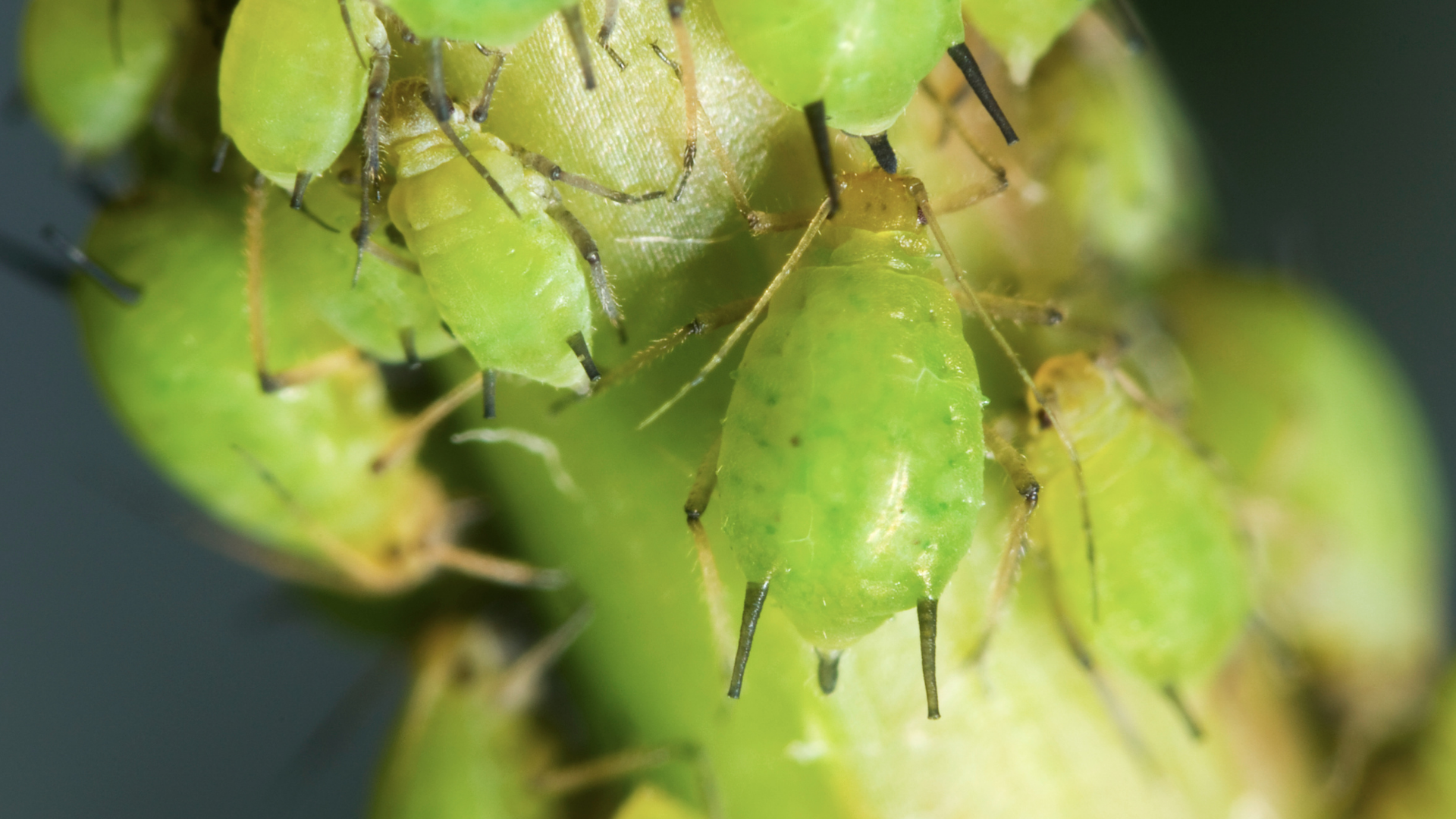 Aphids
Aphids are small, soft-bodied insects that often cluster on tender new growth, flower buds, and the undersides of leaves. They may be green, black, brown, yellow, or even pinkish, depending on the species and plant. They feed by piercing plant tissue and sucking sap, which can weaken growth and cause leaves to curl or distort.
One of the clearest signs of aphids on plants is sticky honeydew. You may notice shiny leaves, sticky stems, or ants moving around the plant, attracted by the sugary residue. Leaves may curl inward, new shoots may look stunted, and flower buds may fail to open cleanly.
Aphids can reproduce quickly, which is why early inspection matters. A few clustered on one stem may not seem alarming, but if left unnoticed, they can spread through soft new growth rapidly. Pay close attention to roses, vegetables, annuals, and tender perennial shoots.
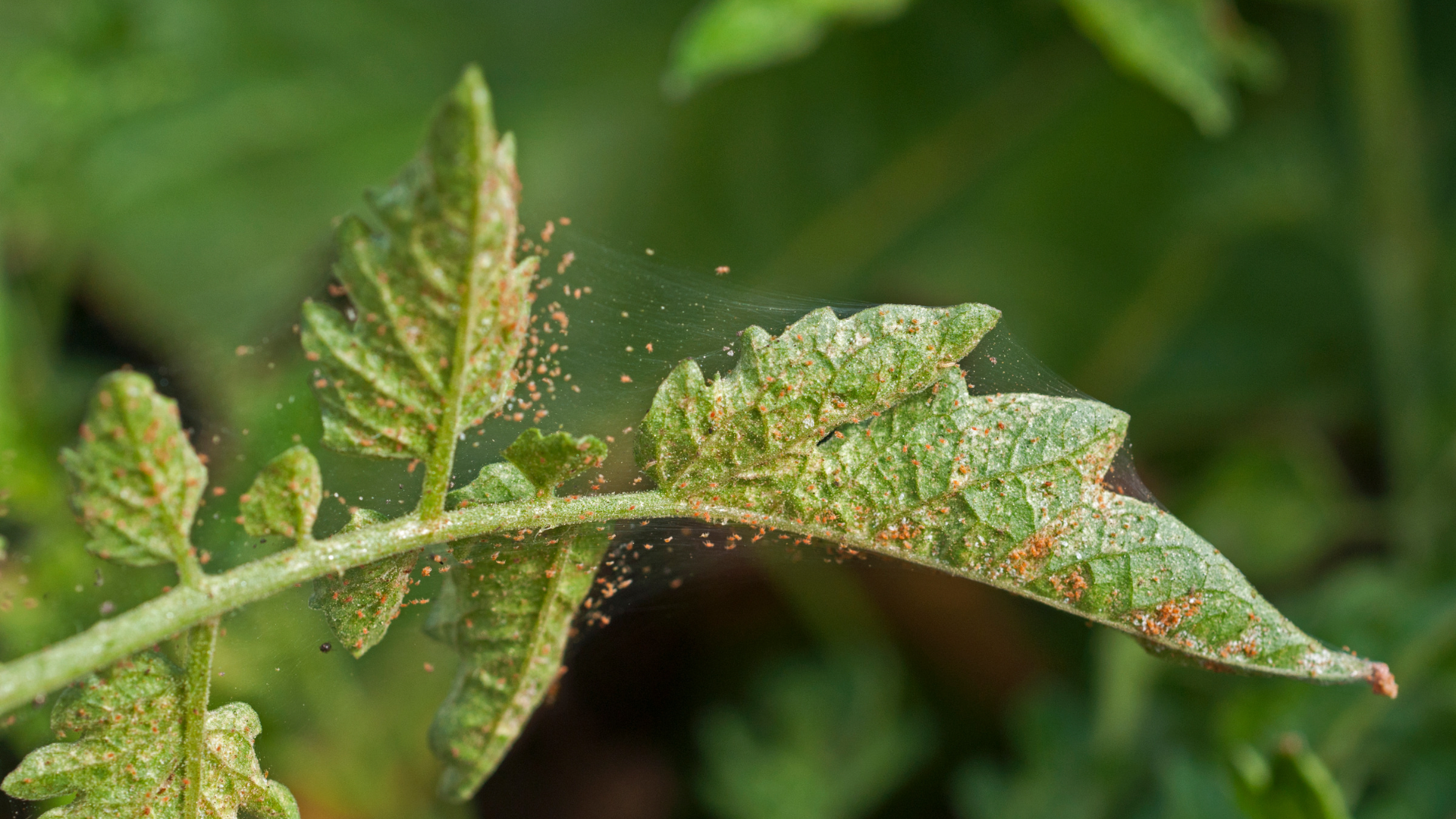 Spider Mites
Spider mites are tiny, but the damage they cause can be significant. They are especially active in hot, dry weather, making late July a common time for gardeners to notice their effects. These pests are easy to overlook because they are so small. Often, gardeners notice the plant symptoms before they notice the mites themselves.
Look for leaves that appear speckled, dusty, faded, or slightly bronzed. The damage often begins as tiny pale spots across the leaf surface. As feeding continues, leaves may yellow, dry out, or drop. Fine webbing between leaves and stems is another key sign, especially on plants growing in hot, sheltered spots.
Hanging baskets, annual containers, beans, tomatoes, and some ornamentals can be especially vulnerable when conditions are dry. Spider mites thrive in hot, dry conditions and on plants stressed by heat or inconsistent watering. Because they can build quickly, a plant that looks only slightly dull one week may look badly damaged the next.
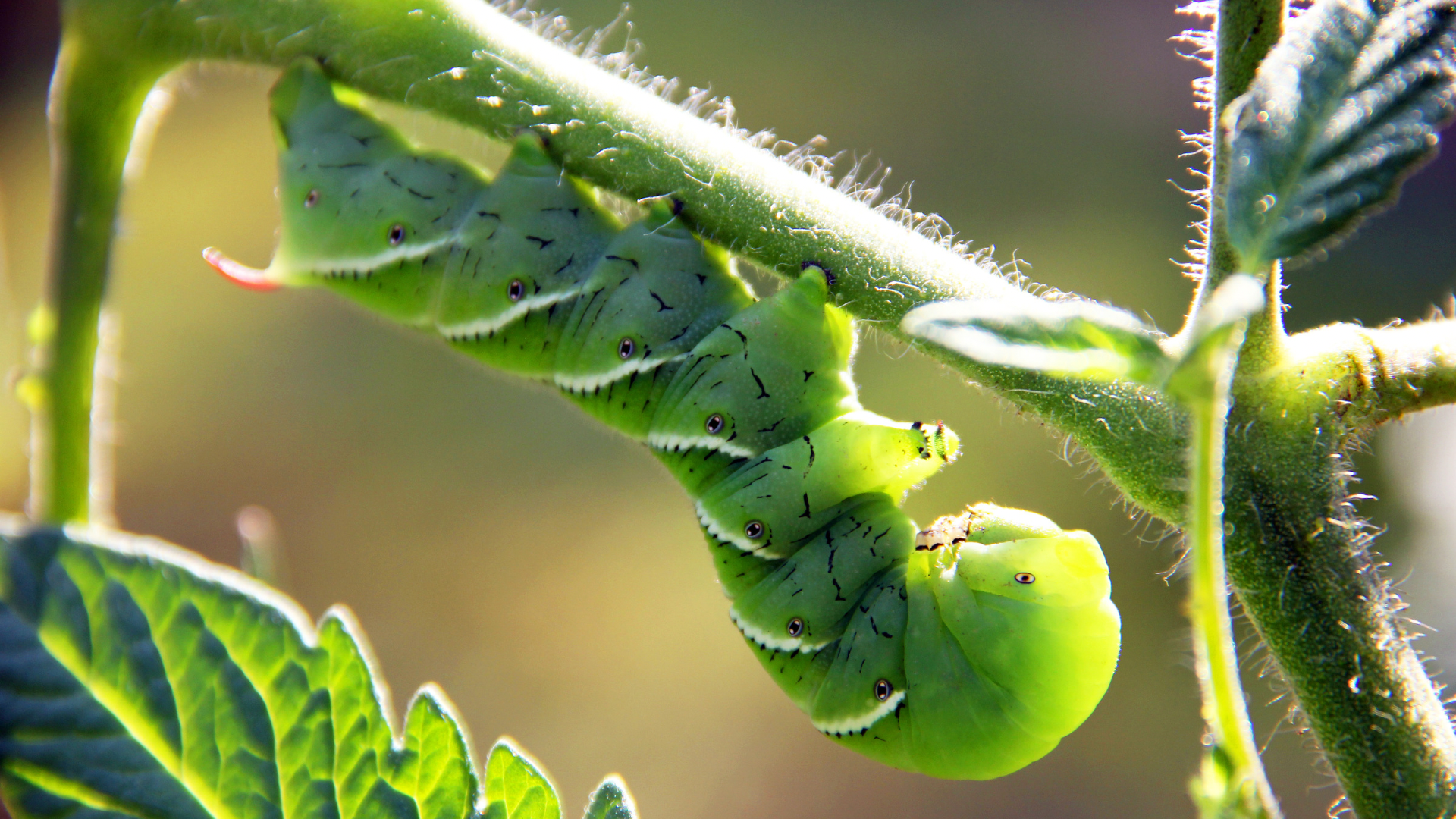 Caterpillars
Caterpillars are the chewing crew of the summer garden. Unlike sap-sucking pests that leave distorted or speckled foliage, caterpillars often leave larger, more obvious holes. Leaves may look shredded, scalloped, or partly missing. In some cases, entire sections of foliage can disappear.
They may feed on vegetables, flowers, herbs, shrubs, and ornamental plants. Some are easy to spot, while others blend in remarkably well. Green caterpillars can disappear against green foliage like living camouflage. The best way to find them is to follow the damage. Look near fresh holes, along stems, and under leaves.
Caterpillar feeding can be especially frustrating on plants grown for harvest or display. A few holes on mature foliage may not be a major concern, but heavy feeding on young plants, leafy vegetables, flower buds, or new shoots can slow growth and reduce the beauty or productivity of the plant.
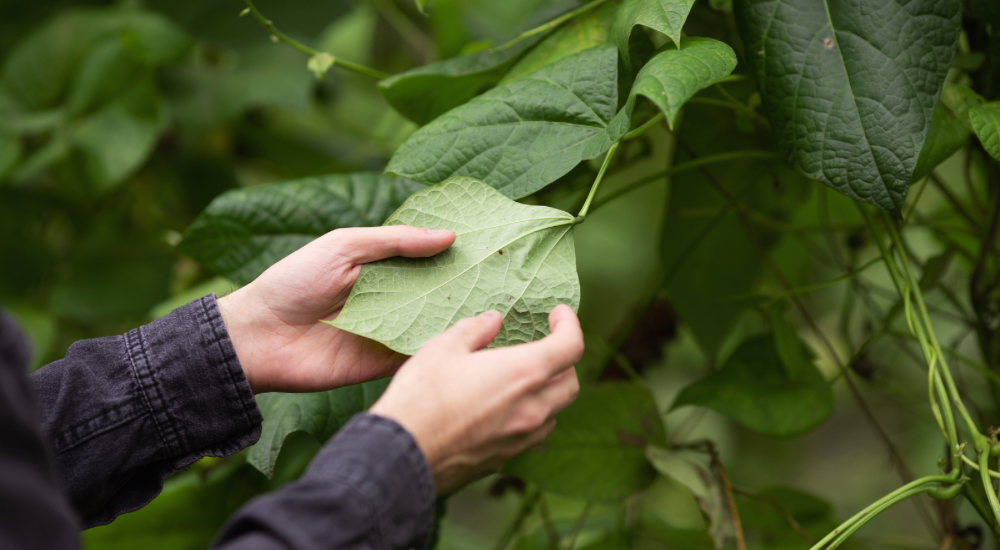 How to Check Your Garden for Pests
A good pest inspection does not need to be complicated. It just needs to be consistent. In late July, aim to walk through the garden every few days with a more observant eye. This does not have to become a long chore. Think of it as a quiet garden patrol, coffee in hand, noticing what has changed since your last visit.
Start by looking under the leaves. Lift foliage gently and check the undersides, especially on plants with tender growth. Many pests hide there, and early infestations are often missed because gardeners only look at the top surface.
Check stems and new growth next. Aphids and other soft-bodied pests often gather where the plant is actively growing. Buds, shoot tips, and young leaves are prime feeding sites. If the newest growth looks curled, sticky, twisted, or weak, inspect closely.
Examine plants early in the morning or evening when the light is softer and plants are less heat-stressed. This is also a more comfortable time for gardeners to slow down and look carefully. Harsh midday sun can make subtle symptoms harder to see, and it is rarely the most pleasant time to crouch beside a vegetable bed.
Focus on stressed plants first. Plants that have been too dry, recently transplanted, overcrowded, or exposed to reflected heat from fences, siding, stone, or pavement may be more vulnerable. Containers and hanging baskets deserve special attention because they dry out faster and can become stressed quickly during hot spells.
Watch vegetables, annuals, and roses closely. Vegetables are actively growing and producing in midsummer, which makes pest damage especially unwelcome. Annuals are often full and lush by late July, creating plenty of hiding places. Roses regularly produce tender new growth that pests find attractive.
It also helps to look for patterns. One damaged leaf may not mean much. Repeated damage across several leaves, sticky residue on multiple stems, or yellowing that spreads through a plant tells a bigger story. The more often you inspect, the easier it is to distinguish normal wear from a developing pest problem.
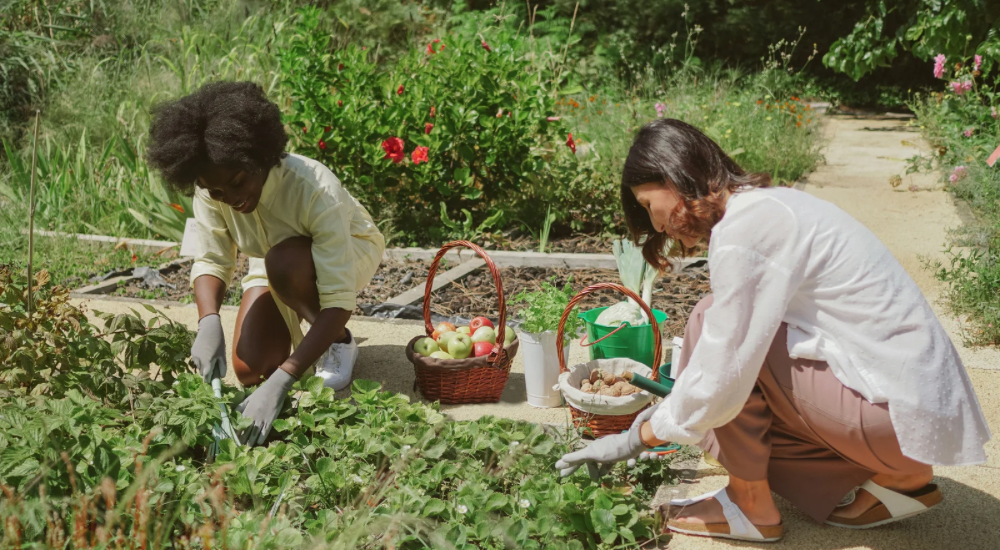 Catch Problems Early and Keep Your Garden Thriving
The best midsummer pest strategy is prevention through observation. That does not mean ignoring problems. It means catching them while they are still small, before the garden is forced into recovery mode.
Regular inspections are the foundation. When you look closely every few days, you learn what normal growth looks like for your plants. That makes abnormal signs easier to spot. You will notice when one rose shoot curls differently than the rest, when a bean leaf looks stippled, or when a container suddenly loses its fresh green colour.
Healthy watering practices also make a difference. Plants that receive consistent, appropriate moisture are better able to withstand minor pest pressure. Overly dry plants can become stressed, while overly wet conditions can create other health problems. The goal is steady support, not extremes.
Good airflow is another important factor. Dense planting can be beautiful, but overcrowded growth creates humid, sheltered spaces where pests and diseases can linger. Pruning out overly congested growth, spacing plants properly, and removing spent or damaged material can help keep the garden breathing.
Removing heavily damaged foliage can also be useful. If a leaf or stem is badly affected, removing it may reduce hiding places and improve the plant’s appearance. Always avoid stripping plants unnecessarily, though. Leaves are the plant’s energy factories, so the goal is thoughtful cleanup, not overzealous cutting.
Encouraging beneficial insects is one of the most valuable long-term strategies. Lady beetles, lacewings, hoverflies, parasitic wasps, and other helpful insects play an important role in balancing pest populations. A diverse garden with flowers, herbs, and layered plantings is more likely to support these quiet allies.
This is where organic pest control begins in the broadest and most practical sense: with healthy plants, close observation, beneficial insects, good airflow, and early action. Detailed product recommendations can change, but these habits remain useful season after season.
The key is to address problems before they spread. A small cluster of aphids, a few spider mite-damaged leaves, or a caterpillar on one plant is information. It is the garden tapping you on the shoulder. The earlier you respond, the less likely the issue is to become a summer-long battle.
A few minutes spent inspecting plants in midsummer can prevent weeks of frustration later. The difference between a thriving garden and a struggling one is often not luck, but attention. Gardens reward the people who notice them closely.
Healthy gardens are not pest-free. They are carefully observed. They are places where the gardener learns the language of leaves, stems, buds, and blooms. A curled leaf is not just a flaw. A speckled surface is not just a blemish. A ragged edge is not just damage. Each one is a message, and the sooner it is read, the better the garden can recover.
Late July is a turning point. The plants have worked hard to reach this moment, and with a little vigilance, they can keep blooming, producing, and feeding pollinators well into late summer and autumn. Vegetables can continue filling baskets. Annuals can keep spilling colour over containers. Roses can push fresh buds. Perennials can hold the border together with strength and grace.
Garden pest identification belongs in the rhythm of summer care, not as a stressful emergency, but as a quiet act of stewardship. Every careful glance beneath a leaf is an investment in a healthier, more resilient garden, one where beauty is protected not by perfection, but by presence. Once you’ve checked for hidden pests, turn your attention to the summer sun and learn how to spot heat stress before it leaves its mark on your garden.
Have questions about garden pests? Stop by Salisbury Greenhouse and let our gardening experts help you identify problems early so your flowers, vegetables, shrubs, and trees stay healthy all season long. Celebrate the abundance of summer beyond your own backyard by exploring Salisbury’s Outdoor Farmer’s Market, filled with fresh local harvests, handcrafted goods, and the welcoming charm of Alberta’s community.