When to Divide Perennials for Healthier Plants and Better Blooms
Knowing when to divide perennials can change a crowded, tired-looking garden into a border filled with revived energy, stronger growth, and generous blooms. A mature perennial bed rarely changes all at once. Its transformation happens quietly: roots stretch beneath the soil, crowns widen, stems lean into neighbouring plants, and once-distinct clumps begin to blur together. What was once a well-spaced collection of individual performers can slowly become a crowded dance floor, in which every plant is reaching for light, water, and room to move.
At first, that fullness may look lush and impressive. Over time, however, abundance can turn into congestion. Flowers become smaller, stems weaken, and the centre of a once-vigorous plant may begin to thin or die back. Dividing perennials is not simply about making more plants. It is about restoring balance, reviving blooms, and allowing each perennial to flourish for seasons to come.
 Why Perennials Need Dividing
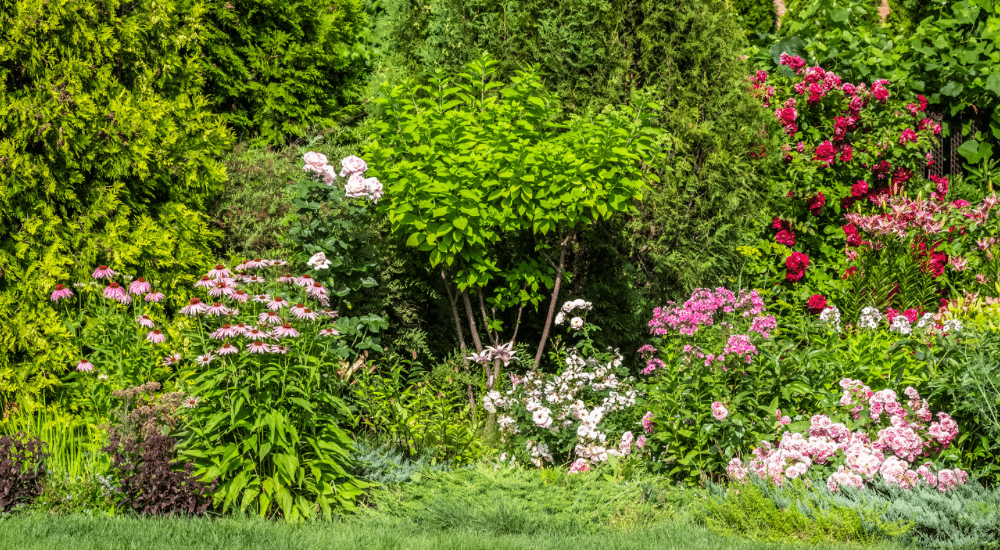
Many herbaceous perennials grow by gradually expanding outward from a central crown, underground stem, rhizome, or spreading root system. Each growing season adds another ring of roots and shoots. In healthy conditions, this natural expansion is a sign that the plant is thriving. Left undisturbed for many years, however, the clump can become too large for the space and resources available to it.
Mature perennials can become too comfortable in their own space. Their roots weave tightly together, fresh shoots emerge shoulder to shoulder, and neighbouring plants begin growing into one another. Eventually, beauty gives way to congestion. The plant may still be alive, but it is no longer performing with the vigour it once had.
Overcrowded roots compete for moisture and nutrients. Even fertile soil has limits when too many stems are drawing from the same compact area. During dry Alberta summers, a dense clump may struggle to absorb enough moisture to support every shoot. The outer sections may continue growing while the centre weakens, leaving a hollow ring or bare patch where healthy growth once stood.
Crowding also reduces air circulation around the base and foliage. When stems are packed tightly together, leaves stay damp longer after rain or watering. This may create conditions that favour fungal diseases, particularly in susceptible plants such as bee balm. Opening the clump allows air and light to move through the plant more freely.
Flowering often declines as well. A perennial that once produced a dense crown of blossoms may begin offering fewer flowers on shorter, weaker stems. The plant is using more energy to maintain an oversized root mass and less energy to produce strong new growth. Division removes declining sections and gives healthy roots access to fresh soil, renewed space, and improved growing conditions.
 Signs It Is Time to Divide Your Perennials
A calendar can provide a useful reminder, but the plant itself is the best guide. Some perennials need attention every three or four years, while others can remain undisturbed for a decade or longer. Watching how a plant grows, flowers, and holds its shape will tell you more than a fixed schedule ever could.
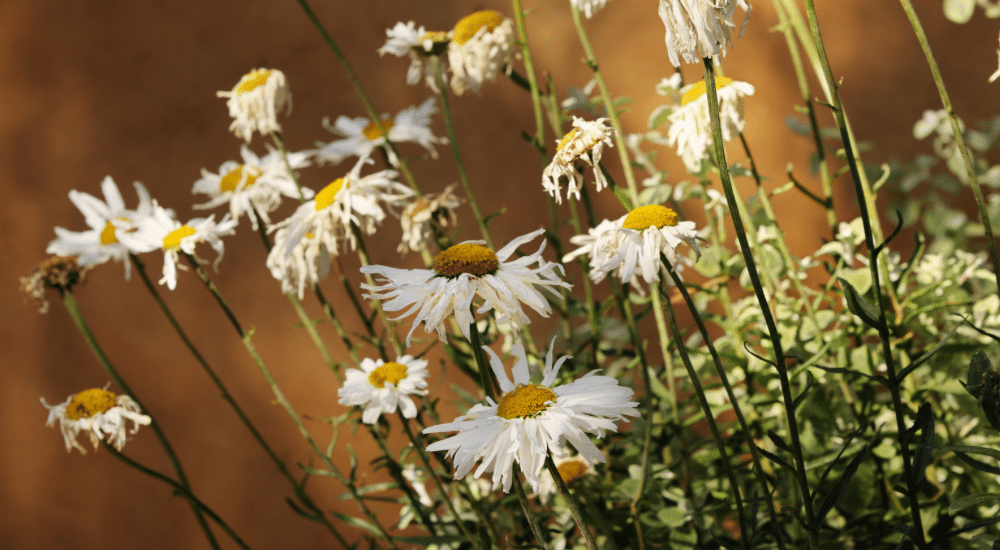
Smaller or fewer blooms are among the clearest warning signs. When flowering becomes less impressive despite adequate sunlight, moisture, and fertility, crowding may be limiting the plant’s performance. Uneven flowering can offer another clue, especially when blooms appear only around the outside of the clump while the centre remains bare.
A dead or thinning centre is common in older clump-forming perennials. The youngest, most vigorous roots often grow around the outer edge, leaving the exhausted central portion behind. Daylilies, Siberian iris, Shasta daisies, and some ornamental grasses can develop this doughnut-like shape as they mature.
Plants that flop outward may also need attention. When stems lean away from the crowded centre, the plant can lose its natural form and spill over paths or neighbouring plants. Staking may briefly improve its appearance, but division addresses the underlying cause.
Reduced vigour, slower growth, sparse foliage, or smaller leaves can all indicate that the root system is struggling. A clump may also feel unusually hard and dense when you press a spade into the soil around it.
Gardeners should look at the whole picture before acting. Poor flowering can also result from too much shade, drought, nutrient imbalance, or incorrect pruning, so consider the plant’s overall conditions rather than assuming crowding is always responsible.
Choosing the Best Time
The most reliable rule is to divide a perennial during the season opposite its main bloom period. Plants that flower in late summer or fall are generally divided in spring. Plants that bloom in spring or early summer are commonly divided in fall. This gives the plant time to establish roots without asking it to produce flowers at the same time.
Spring Division
Spring is the preferred season for many late-summer and fall-flowering perennials. Divide them when new shoots are just emerging and before stems become tall and leafy. At this stage, the plant’s energy is moving into active growth, and cool spring conditions reduce the stress of transplanting.
Late-blooming plants benefit from having the full growing season ahead of them. Their roots can settle into the soil, develop new feeder roots, and build strength before summer heat arrives. Spring moisture can also make establishment easier, although gardeners should still water consistently if rainfall is limited.
Plants commonly divided in spring include black-eyed Susans, sedum, many ornamental grasses, asters, and other late-blooming garden favourites. Spring is also a good option for plants that become difficult to locate once their foliage disappears in fall.
In Edmonton and surrounding Alberta communities, wait until the soil is workable rather than wet, sticky, or partly frozen. Digging saturated soil can damage its structure, while working too early may expose roots to extended periods of cold. The ideal window arrives once fresh shoots are visible and the ground crumbles easily in the hand.
Fall Division
Fall is often best for spring and early-summer bloomers. Once flowering is finished and summer heat begins to ease, plants can redirect their energy toward root development rather than bloom production. Warm soil encourages root growth, while cooler air reduces water loss via the leaves.
Hostas, coral bells, Siberian iris, and many early-flowering perennials can respond well to fall division. The timing should not be pushed too late, especially in Alberta’s shorter growing season. New divisions need enough time to establish before the soil freezes.
Complete the work several weeks before the ground normally freezes, allowing roots to anchor into their new location. A newly planted section does not need to produce an extensive root system before winter, but it should have enough time to settle and make firm contact with the surrounding soil.
Fall-planted divisions require attentive watering. Cooler weather may make the soil appear moist, but autumn winds can dry both leaves and soil quickly. Continue watering when needed until the ground begins to freeze.
A layer of mulch applied after the soil cools can help moderate temperature swings and protect newly established roots. Keep mulch a few centimetres away from the crown, however, to prevent excess moisture from collecting directly against the plant.
 Which Perennials Benefit Most From Division?
Some perennials respond enthusiastically to regular division and may bloom better after being refreshed. Others prefer to remain undisturbed for many years. Understanding the difference prevents unnecessary work and protects plants that resent being moved.
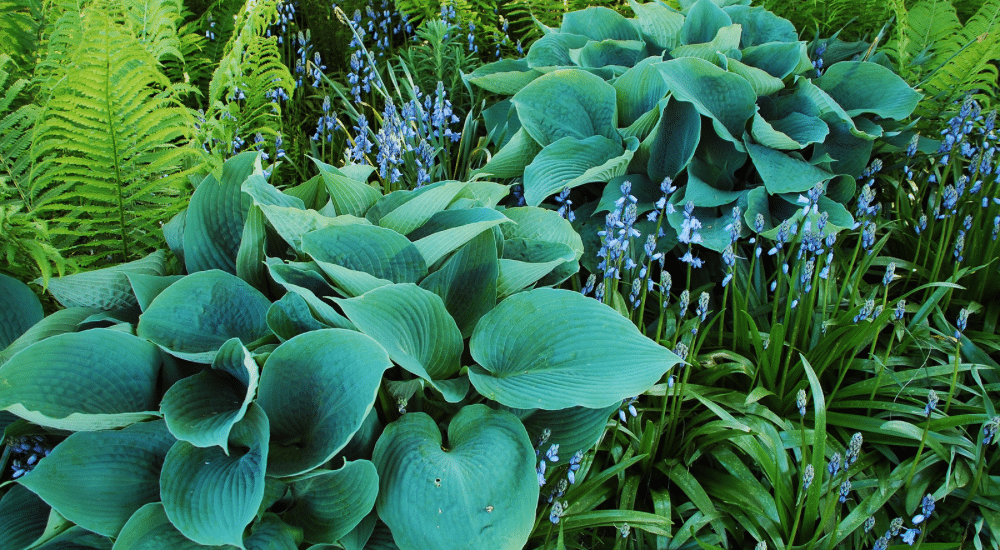
Hostas
Hostas form expanding crowns that can eventually become congested. They are usually straightforward to lift and divide, particularly in early spring when their shoots are still compact. Each section should have healthy roots and at least a few shoots or buds.
Daylilies
Daylilies are vigorous, adaptable plants that can develop dense masses of roots and foliage. An overcrowded clump may produce fewer flower stalks or blooms concentrated around its outer edge. Division restores space and allows each fan to develop more freely.
Bee Balm
Bee balm spreads through underground stems and can quickly form a broad colony. Periodic thinning helps control its spread while promoting airflow through the foliage. Better spacing may also reduce the humid, stagnant conditions that encourage powdery mildew.
Shasta Daisies
Shasta daisies can weaken or die out in the centre as the clump matures. Healthy outer sections can be lifted and replanted, while tired central growth is removed. Periodic renewal helps preserve strong stems and generous summer flowering.
Black-Eyed Susans
Black-eyed Susans may spread into wide colonies, particularly when growing in favourable soil. Division allows gardeners to control their size, fill other sunny areas, and maintain a more deliberate garden design.
Siberian Iris
Siberian iris develops thick, fibrous root masses that can become difficult to penetrate once mature. Older clumps may flower less freely. Dividing them before severe decline makes the work easier and gives the replanted sections a stronger start.
Coral Bells
Coral bells can develop woody crowns that rise above the soil, especially after repeated winter freezing and thawing. Lifting, separating, and resetting healthy sections can restore a compact form and place the crown at the proper depth.
Sedum
Upright sedum is durable and generally easy to divide. Mature clumps may become broad, crowded, or prone to opening in the centre. Replanting sturdy outer sections can produce tighter, better-shaped plants.
Ornamental Grasses
Some clump-forming ornamental grasses benefit from division when their centres die out or flowering declines. These plants can develop extremely dense, heavy root masses, so dividing them while they are still manageable is easier than waiting until the clump becomes enormous.
Not every perennial requires frequent division. Peonies prefer to remain undisturbed and may take several years to flower well after being moved. Baptisia develops a deep root system and generally resents transplanting. Bleeding hearts, gas plants, and other long-lived perennials are often happiest when left in place unless relocation becomes necessary.
Good perennial care means understanding the nature of each plant. Some thrive on periodic renewal; others reward patience and stability. Before lifting an unfamiliar perennial, confirm whether it tolerates division and identify the best season for the species.
 A Simple Division Method
Learning how to divide perennials is less intimidating when the process is approached as a series of simple, careful steps. The goal is not to create as many pieces as possible. The goal is to produce strong divisions with healthy roots and enough shoots or growing points to recover quickly.
1. Water Before Digging
Water the plant a day or two beforehand if the soil is dry. Moist soil holds together around the roots and reduces transplant stress, but avoid working when the ground is muddy or saturated.
Prepare the new planting area before lifting the original clump. Having each destination ready allows the divisions to return to the soil promptly instead of drying in the sun or wind.
2. Dig Around the Root Ball
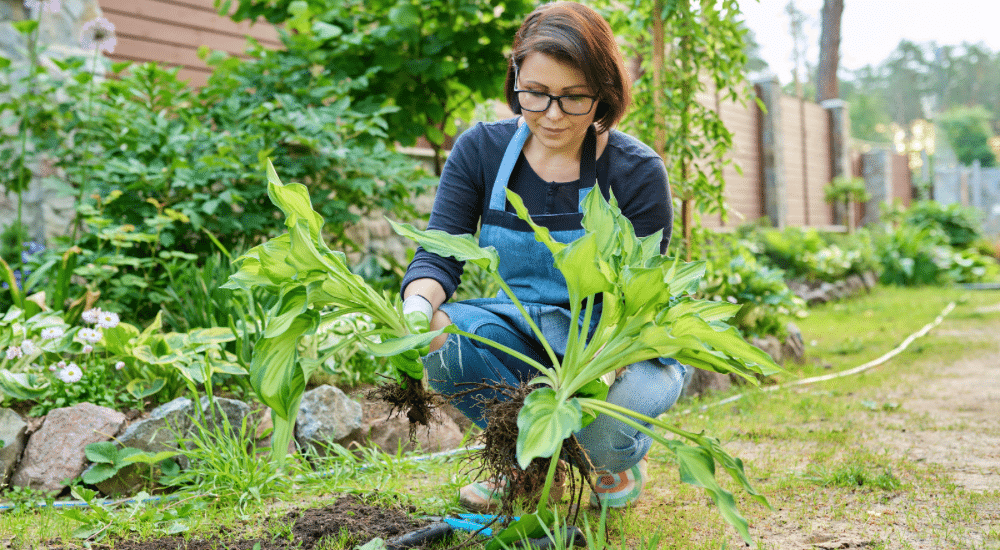
Use a sharp spade or garden fork to dig around the plant, staying far enough from the crown to preserve a generous root ball. Work around the entire clump, loosening it gradually rather than forcing it upward from one side.
A garden fork may cause less root damage in loose soil, while a sturdy spade is often more effective for dense or mature clumps.
3. Lift the Plant Gently
Ease the root ball out of the soil and place it on a tarp, piece of cardboard, or open patch of ground. Large plants may be heavy, particularly when the soil around their roots is moist.
For an especially large clump, removing it in several substantial sections may be easier than attempting to lift the entire plant at once.
4. Separate Healthy Sections
Shake or rinse away enough soil to see the roots and natural growing points. Some plants pull apart easily by hand. Others can be separated using two garden forks inserted back-to-back and gently eased apart.
Dense crowns may require a sharp spade, pruning saw, or sturdy garden knife. Use clean, sharp tools to make controlled cuts rather than repeatedly tearing the crown.
5. Remove Dead or Damaged Growth
Select healthy outer sections with firm roots and several vigorous shoots or buds. Remove and discard dead, damaged, diseased, or hollow central growth.
Do not place diseased material in a home compost pile unless the composting system reaches temperatures able to destroy the relevant pathogen.
6. Avoid Making Divisions Too Small
Tiny pieces may survive, but they often take longer to establish and are more vulnerable to drought, frost heaving, and competition from nearby plants. A few sturdy sections generally produce better results than dozens of weak fragments.
Each division should have a reasonable balance of roots and top growth. If the foliage is tall, it may be trimmed back moderately to reduce moisture loss and make the plant easier to handle.
7. Replant Promptly
Replant each section at approximately the same depth it was growing before. Planting too deeply can bury the crown and encourage rot, while planting too shallowly can expose roots to drying and winter injury.
Spread the roots naturally, backfill with loosened soil, and press gently to remove large air pockets. Avoid heavily compacting the soil around the crown.
8. Water Thoroughly
Water deeply after planting, even if the soil already feels damp. This settles soil around the roots and ensures immediate contact between the roots and their new growing environment.
Maintain even moisture during establishment without keeping the soil waterlogged. Newly disturbed roots cannot yet draw moisture from a large area, so continuous watering is more important than it would be for the established parent plant.
9. Apply Mulch Where Appropriate
A light layer of mulch can conserve moisture, inhibit weeds, and moderate changes in soil temperature. Keep it away from the crown and avoid burying new shoots.
Mulch is particularly useful around fall divisions in Alberta, where temperature fluctuations can cause newly planted sections to lift or heave from the soil.
Common Mistakes to Avoid
Division is generally forgiving, but a few common errors can slow establishment or cause avoidable losses.
Dividing During Extreme Summer Heat
High temperatures increase water loss, and recently cut roots cannot replace moisture as quickly as an established root system. Unless a plant needs you to move it urgently, wait for cooler spring or fall conditions.
Waiting Until the Plant Is Severely Declined
A perennial with a completely dead centre, weak outer shoots, or extensive disease may provide fewer healthy sections to replant. Divide while there is still plenty of vigorous growth to work with.
Creating Tiny Divisions
More pieces may sound like a better return, but a few substantial sections will usually establish faster and bloom sooner than many fragile ones.
Forgetting to Water After Transplanting
Newly divided plants should never be treated as drought-tolerant simply because the mature parent was resilient. Reduced root systems require reliable moisture while rebuilding. Check the soil frequently during the first several weeks and water deeply enough to reach the full root zone.
Planting the Crown Too Deeply
The crown should sit where the roots meet the stems, close to the surrounding soil level. Burying it can encourage rot, while leaving roots exposed can lead to drying or frost damage.
Dividing Newly Planted Perennials Too Soon
Give a young plant time to establish a substantial root system and develop into a healthy clump. A perennial that is still settling into the garden gains little from being disturbed again.
 The Long-Term Benefits of Perennial Division
Division is one of the most valuable forms of garden renewal because it improves both plant health and garden design. Refreshed clumps often produce stronger stems, fuller foliage, and more abundant flowers.
Improved spacing allows light and air to reach the centre of each plant, lessening congestion and making routine maintenance easier. It also helps prevent one aggressive plant from swallowing its slower-growing neighbours.
Healthy divisions develop new root systems in fresh soil, where they can access moisture and nutrients more efficiently. They are easier to arrange according to mature size, preventing the tangled growth that develops when expanding plants are left unchecked.
The practical rewards go beyond plant health. A single established clump can become several substantial plants at no additional cost. Extra divisions can fill empty spaces, repeat colour and texture throughout the landscape, refresh containers, or be given to friends and neighbours.
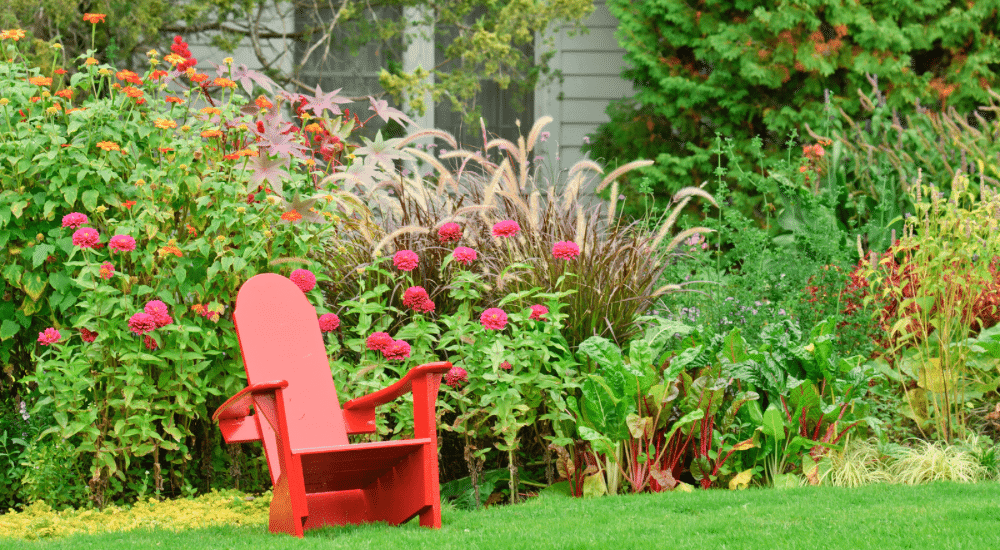
Repeating a favourite perennial in several parts of the garden also creates visual rhythm. One clump of coral bells can become a sequence of foliage accents along a shaded path. A mature stand of daylilies can be transformed into a broad sweep that ties separate beds together. The garden becomes fuller, yet more orderly.
Division can also simplify future maintenance. Properly spaced plants are easier to weed around, water effectively, inspect for pests, and keep within their intended boundaries. Rather than allowing an entire bed to become congested and tackling it all at once, gardeners can refresh one or two mature clumps each season.
Over time, thoughtful division helps keep perennial beds vibrant rather than simply overgrown. It extends the useful life of valued plants, reduces the need for replacements, and allows the landscape to evolve without losing the character that made it special in the first place. Once your newly divided perennials are settling into their fresh space, keep them thriving by learning how to spot common garden pests early with our guide, Mid-Summer Pest Check: What to Look For, so aphids, mites, and caterpillars don’t undo your hard work.
A Garden That Grows by Giving
Dividing a perennial may look like an act of separation, but it is really an act of possibility. One mature plant becomes several new beginnings, each carrying the promise of stronger roots, richer blooms, and renewed space to grow. Tpehe process turns one thriving story into many, allowing familiar colours, textures, and memories to travel throughout the garden. If dividing your perennials leaves you with extra plants to enjoy, discover how to make the most of them with our guide, Sprucing Up A Small Space, filled with creative ideas for transforming patios, balconies, and compact yards into lush, inviting gardens.
A little attention today can reward gardeners with healthier, more resilient landscapes for years to come. By watching for signs of crowding, respecting each plant’s natural rhythm, and understanding when to divide perennials, gardeners can keep their beds balanced, beautiful, and continually renewed. For personalized help and useful, expert advice on successfully dividing and caring for your perennials, visit our team in-store at Salisbury Greenhouse.