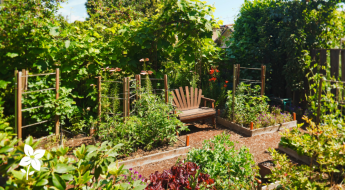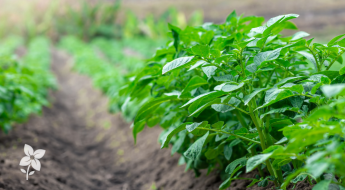
Garden soil preparation begins long before the first seed is tucked into place, long before colour spills across beds or harvest baskets begin to fill. Beneath the quiet surface, the garden rests—winter’s long stillness pressing down like a heavy blanket, muting movement, pausing life. Yet even now, under frost-softened layers and thawing ground, something stirs.
Soil is the quiet architect of every thriving garden. It does not demand attention the way blooms do, nor does it announce itself like ripening fruit. Instead, it waits—patient, unseen, essential. Winter may leave it hardened and hushed, but spring carries a different energy: a gentle insistence, a promise of return. Before growth, before colour, before abundance—there is soil. And within it, the blueprint for everything to come.
What appears lifeless is anything but. This is not an end, but a pause. A system resting, recalibrating, waiting to be awakened.
The Reality Check: What Winter Leaves Behind
As the snow recedes and the ground reveals itself, the truth of winter becomes clear. Soil rarely emerges from the cold unchanged. Months of freeze and thaw compress it, pressing particles together like forgotten pages in a long-closed book. What was once loose and breathable becomes dense, resistant, and tight.
Nutrients, too, have been quietly spent. Last season’s lush growth drew deeply from the soil, leaving it tired—its reserves diminished, its vitality reduced. Rain, snowmelt, and runoff may have washed away key elements, further stripping what remains.
Surface crusting is common, especially in exposed beds. Water struggles to penetrate, pooling instead of soaking. Drainage falters. Roots, if planted too soon, will find resistance rather than welcome.
This is not failure—it is simply the natural cycle. But it does create urgency. Without attention, soil cannot support what comes next.
 The First Touch: Loosening the Living Ground
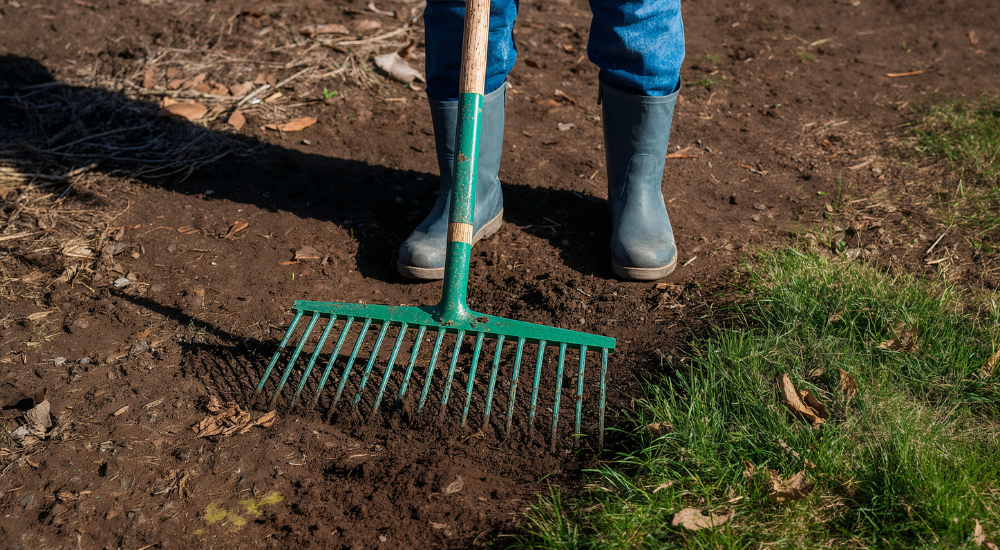
The first act of renewal is not forceful—it is careful. Soil does not respond well to aggression. Instead, it asks for patience, for a gentle hand, for an understanding that structure matters as much as movement.
Loosening the soil is less about breaking it apart and more about teasing breath back into the earth. A garden fork, inserted and lifted, can open channels without destroying the delicate networks within. Hand tools, used thoughtfully, preserve the integrity of soil layers while restoring airflow and drainage.
Avoid the temptation to overwork the ground. Heavy tilling may seem efficient, but it often turns order into chaos—disrupting microbial life and collapsing the very structure that supports healthy growth. Soil is not meant to be pulverized. It is meant to be invited to open.
When done properly, this step restores movement. Air returns. Water begins to flow. Roots, eventually, will follow.
Feeding the Foundation: Compost as Memory and Future
If loosening the soil awakens it, compost feeds it.
Compost is more than organic matter—it is stored sunlight, time, and transformation. Every leaf, every scrap, every decomposed fragment carries the memory of growth and the promise of renewal. When added to garden beds, it restores what was lost and builds what is yet to come.
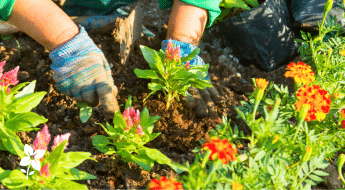
A general guideline is to incorporate 2 to 4 inches of compost across the surface of your garden beds, gently working it into the top 6 to 8 inches of soil. This depth ensures nutrients are accessible while maintaining structure. Once your soil is refreshed and ready to support new growth, bring in an early burst of colour with hardy spring favourites like pansies that thrive in cool Alberta conditions and brighten garden beds long before summer arrives.
Placement matters. Focus on planting areas—vegetable beds, raised gardens, and high-traffic growing zones. Around perennials, a lighter top-dressing is often enough.
The true power of compost lies beneath what we can see. It fuels soil biology—microorganisms that break down nutrients, improve structure, and create a living ecosystem. This is where real transformation happens.
For gardeners wondering how to improve garden soil, this is the answer: feed it, don’t force it.
Common Missteps: When Good Intentions Go Wrong
Spring enthusiasm can be a double-edged sword. The desire to get started often leads to decisions that set the garden back rather than move it forward.
Over-tilling is one of the most common mistakes. While it may feel productive, excessive disturbance disrupts soil structure and microbial life, turning stability into disorder. What begins as an attempt to improve ends in imbalance.
Planting too early is another pitfall. Cold, wet soil is not ready for growth. Seeds struggle, roots stall, and plants fail to thrive. It is, quite simply, asking a sleeping system to sprint.
Skipping soil preparation altogether is perhaps the most costly misstep. It is the equivalent of building a house on unprepared ground—everything that follows is compromised.
These are not failures of knowledge, but of timing and restraint. The garden rewards patience more than urgency.
 The Turning Point: When Soil Becomes Ready
There is a moment—subtle, almost imperceptible—when soil shifts from dormant to ready.
It becomes loose, dark, and quietly alive. It crumbles easily in your hand, holding together just enough to suggest structure without resistance. It smells rich, earthy, and full—an unmistakable sign of life returning.
Water begins to absorb rather than pool. The air moves freely. The surface no longer crusts but softens.
This is not just prepared soil—it is responsive soil. It invites planting rather than resisting it. It supports growth instead of challenging it.
Recognizing this moment is part science, part intuition. It is learned through observation, through touch, through time spent in the garden.
Regional Lens: Alberta’s Spring Reality
In Alberta, spring does not arrive all at once. It unfolds slowly, often unpredictably, shaped by fluctuating temperatures and lingering frost.
For gardeners navigating how to prepare garden soil in spring in Alberta, patience is not optional—it is essential. The soil must fully thaw before it can be worked. Attempting to prepare it too early risks compaction and structural damage.
Drainage is a particular concern. Snowmelt can saturate the ground, making it heavy and difficult to manage. Waiting for excess moisture to dissipate ensures better results.
Raised beds often warm faster, offering an earlier starting point. Adding compost and organic matter can also help improve drainage and accelerate warming.
Observation is key. Each season is different, and the soil will tell you when it is ready—if you are willing to listen.
These are the kinds of gardening tips Canadian gardeners rely on, shaped by climate, experience, and respect for the land.
 Planting as a Second Step, Not a First
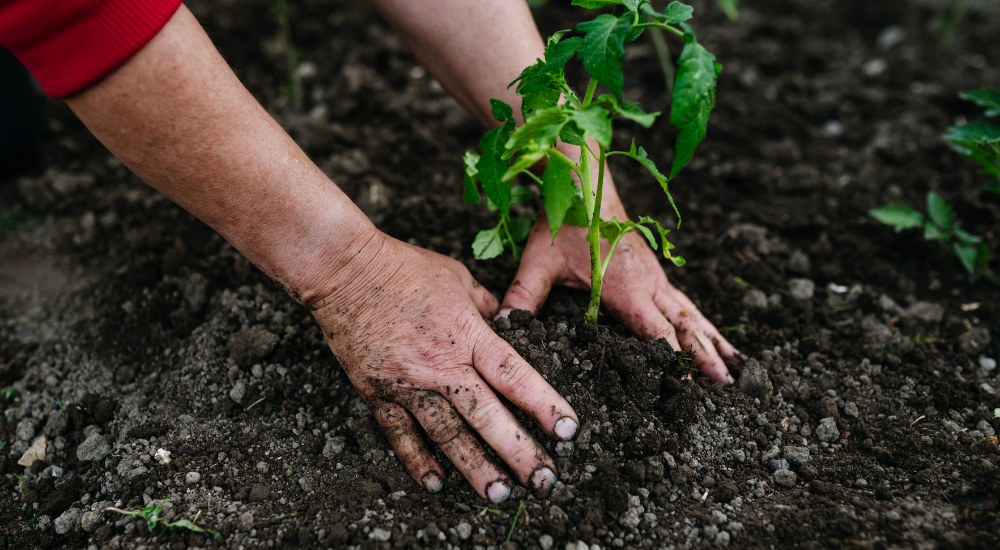
Planting feels like the beginning of the gardening season, but it is not. It is a continuation—an expression of the work done quietly, patiently, beneath the surface.
The true beginning lies in preparation. In understanding that soil is not simply a medium, but a living system. In recognizing that every bloom, every harvest, every moment of growth is rooted in what came before.
Garden soil preparation is not a task to rush through. It is a process to respect, a foundation to build carefully and deliberately. When done well, it disappears into the background—unseen, unnoticed, yet entirely responsible for the success that follows.
And so, as seeds are planted and gardens begin to stir, remember this: the most important work has already been done. Beneath your feet lies the unseen stage where everything begins its performance.
Ready to give your soil the best start this season? Visit Salisbury Greenhouse in Sherwood Park or St. Albert for expert advice, premium compost, and everything you need to build a healthier garden from the ground up!