Starting seeds indoors is one of the quietest, most hopeful acts in the gardening calendar. Long before the soil outside has softened, before robins argue in the yard, and while frost still clings stubbornly to the edges of morning, there is a windowsill glowing softly with trays of soil and patient expectation.
Each seed is a small vessel of possibility. Tucked into a shallow bed of soil, it rests like a traveller waiting for the right signal to begin the journey upward. The room is still. The light hums. Beneath the surface, unseen work begins. What looks like a tray of damp soil is, in truth, a nursery of unfolding stories.
This early stage of the season can feel uncertain. Days pass with no visible change. Then suddenly—almost defiantly—a curved green stem breaks through the surface. Understanding what is normal in this process, and what is not, is what turns uncertainty into confidence.
Why Start Seeds Indoors Early
In colder climates like Alberta, the growing season is a sprint disguised as a marathon. Spring arrives cautiously and winter retreats abruptly. Gardeners who wait to sow outdoors often lose precious weeks of productive growth.
Starting seeds early indoors is like giving your garden a running start in a relay race with the sun. By the time outdoor soil is workable, your seedlings are already several weeks into development—root systems forming, leaves strengthening, stems thickening.
The advantages extend beyond timing:
- Controlled environment: Light, moisture, and temperature can be adjusted intentionally rather than left to chance.
- Stronger root systems: Seedlings raised carefully indoors develop compact, resilient growth.
- Wider variety: Many specialty vegetables and flowers are rarely available as transplants.
- Cost efficiency: A single packet of seeds can produce dozens of plants.
For gardeners learning how to start seeds indoors, this early investment of attention pays dividends in vigour and productivity later in the season.
The Seedling Timeline: What to Expect
Understanding the rhythm of development is essential. Growth does not happen in dramatic leaps. It unfolds in stages, each with its own character.
Germination: The Awakening
Beneath the soil, seeds absorb moisture and begin metabolic activity. Germination is not instantaneous. Depending on the crop, it may take anywhere from 3 to 21 days.
During this stage:
- Soil should remain consistently moist, not saturated.
- Warmth is crucial—most vegetables prefer 18–24°C.
- Light is not required until sprouts emerge.
Normal signs:
- Slight cracking of soil surface.
- Uneven emergence; some seeds sprout before others.
- A few seeds may fail entirely, as germination rate varies by seed quality and age.
Warning signs:
- Mould forming on the soil surface.
- Foul smell from overly wet soil.
- Complete failure after the recommended timeline has passed.
Patience is your ally here. Germination is a quiet miracle stirring beneath the soil.
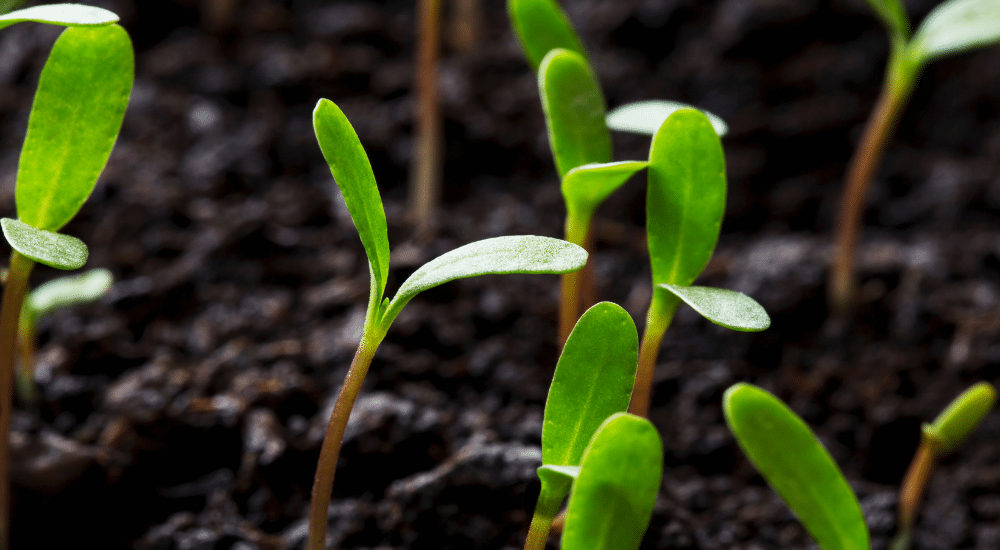 Cotyledon Stage: First Wings
Once a seedling breaks the surface, it unfurls its first leaves—cotyledons. These are not the “true” leaves of the plant but nutrient stores from within the seed itself.
They resemble small green paddles or wings reaching for light.
Normal signs:
- Thin, curved stems that straighten within a day.
- Cotyledons that look different from mature leaves.
- Slow initial growth above soil.
Warning signs:
- Pale yellow leaves (possible nutrient deficiency or overwatering).
- Seed coat stuck on leaf tips (can be gently removed if persistent).
At this stage, strong light becomes essential. Without adequate brightness, seedlings stretch dramatically, leaning toward any available source.
True Leaves: Stepping Into Their Identity
Within one to three weeks, true leaves appear. This is when seedlings begin to resemble their mature selves.
Growth becomes more deliberate. Leaves broaden. Roots deepen. Stems strengthen.
Normal signs:
- Gradual thickening of stems.
- Slight leaf size variation among seedlings.
- Roots beginning to fill cell trays.
Warning signs:
- Leggy growth—long, weak stems reaching upward.
- Leaves curling dramatically.
- Stunted growth despite adequate conditions.
Healthy seedlings at this stage are compact, vibrant green, and upright. They no longer look fragile; they look purposeful.
Setting Up for Success
A strong beginning depends on thoughtful preparation.
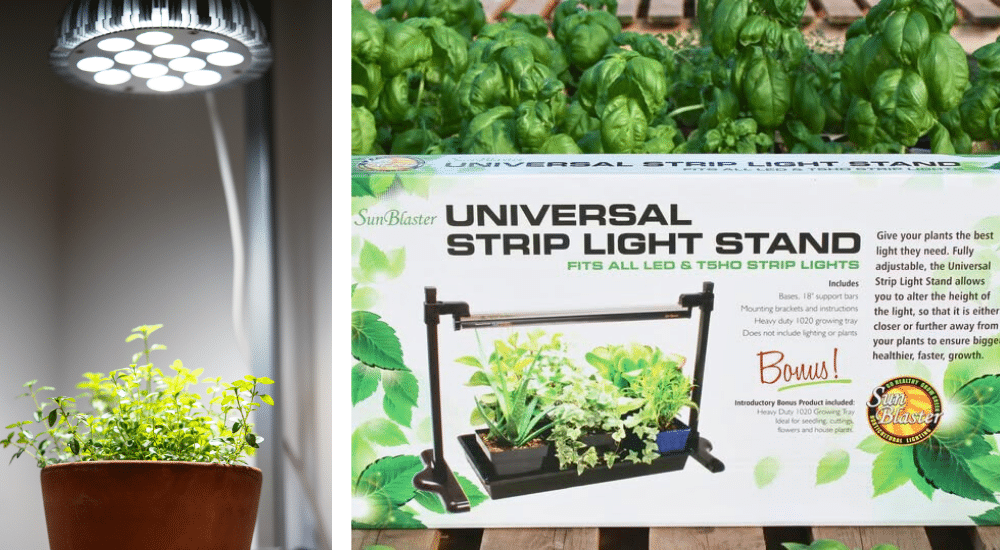 Light: Capturing Sunlight in a Lamp
Seedlings need intense, consistent light—12 to 16 hours daily. A bright window is rarely sufficient in northern climates during late winter.
Full-spectrum grow lights positioned 2–5 cm above seedlings prevent stretching. As plants grow, raise the lights accordingly. If seedlings lean dramatically, the light intensity is insufficient.
Soil: The Blank Canvas
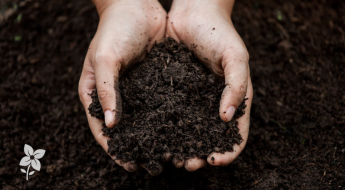
Use a sterile seed-starting mix—light, airy, and well-draining. Garden soil is too heavy and may harbour pathogens.
The ideal medium:
- Retains moisture without becoming soggy.
- Allows oxygen to reach developing roots.
- Drains excess water efficiently.
Roots thrive in balance—never drowning, never parched.
Containers: Small Homes for New Beginnings
Cell trays, peat pots, or shallow containers with drainage holes are ideal. The goal is not excess space but appropriate containment.
Too large a container holds unnecessary moisture. Too small restricts root growth. Choose proportionally.
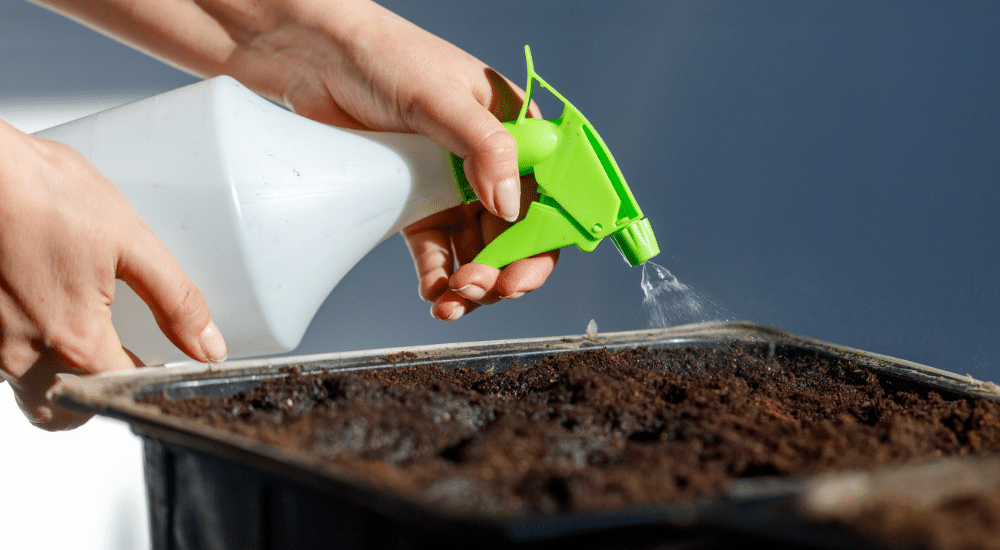 Watering: The Discipline of Restraint
Water from below when possible. Allow trays to absorb moisture upward.
Top watering is acceptable, but it must be gentle. The soil surface should feel lightly damp—not glossy wet, not dusty dry.
Overwatering is the most common early mistake in indoor gardening for beginners.
Temperature & Humidity: Crafting a Microclimate
Warm soil accelerates germination. A heat mat can maintain ideal temperatures.
Once seedlings emerge, slightly cooler air strengthens stems.
Moderate humidity is helpful, but remove humidity domes promptly after germination to prevent fungal disease.
Troubleshooting & Common Challenges
Even experienced gardeners encounter setbacks.
Leggy Seedlings: Stretching for Attention
Cause: Insufficient light.
Solution: Lower grow lights, increase intensity, or extend duration.
Legginess is not fatal if corrected early. Some plants, like tomatoes, can even be planted deeper later.
Damping-Off: The Hidden Thief
A fungal disease that causes seedlings to collapse at soil level.
Cause:
- Excess moisture
- Poor airflow
- Contaminated soil
Prevention:
- Sterile mix
- Good drainage
- Gentle airflow from a small fan
Once affected, seedlings cannot be saved. Prevention is paramount.
Slow Germination: The Quiet Test of Patience
Some seeds simply take longer. Check seed packets for timelines.
Verify:
- Soil warmth
- Even moisture
- Seed age
Patience is not passive—it is attentive waiting.
 Building Confidence & Mindset
Variation is natural. Even seeds from the same packet will not grow identically. Some surge forward; others take measured steps.
Keep notes:
- Sowing dates
- Emergence times
- Light distance adjustments
- Watering frequency
Observation transforms anxiety into understanding. Each tray becomes a lesson in rhythm and resilience.
Early failures are not verdicts—they are data. They teach nuance: how soil dries in your space, how temperature fluctuates overnight, how certain crops respond to your environment.
If you’re inspired to give your seedlings a strong start, you might also explore how to create a thriving garden with hardy, Alberta-friendly native plants that attract pollinators and require minimal upkeep.
Gardening is not perfection. It is practice.
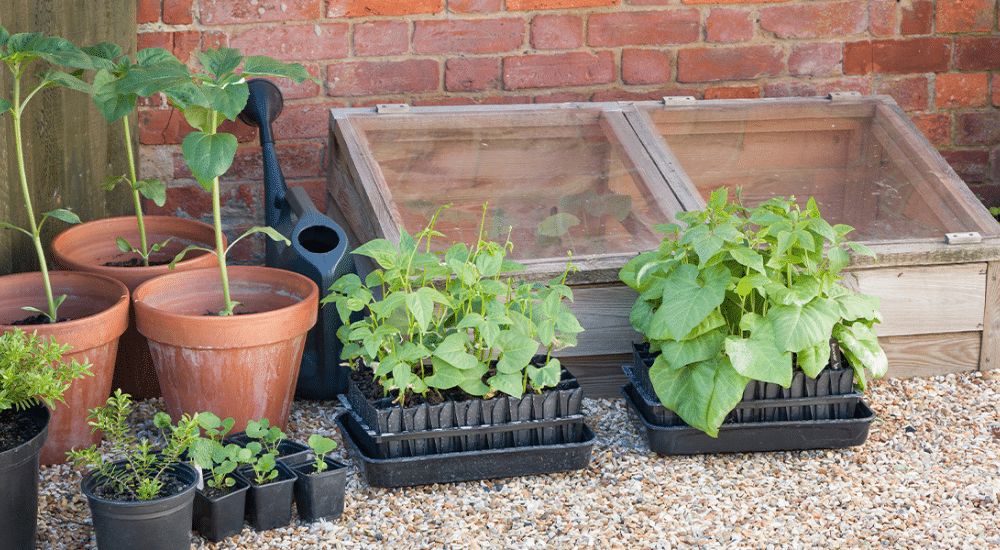 Preparing for the Next Stage
As seedlings mature, the next transition approaches: hardening off.
Hardening off is the gradual introduction to outdoor conditions. Over 7–10 days:
- Place seedlings outdoors in shade for 1–2 hours.
- Gradually increase exposure.
- Introduce gentle morning sun before midday intensity.
- Protect from strong winds and frost.
Seedlings ready for transplant:
- Have multiple sets of true leaves.
- Display firm stems.
- Show roots filling, but not circling, the container.
They are no longer fragile sprouts. They are young explorers prepared to meet wind, sun, and soil.
Timing is critical. Transplant too early and cold stunts growth. Wait too long and roots become confined.
The quiet satisfaction of nurturing growth indoors cannot be overstated. Trays of seedlings lined beneath steady light are more than preparation—they are a promise unfolding in real time.
Starting seeds indoors builds more than healthy plants; it builds attentiveness, patience, and confidence. Each stage—from the unseen stirring of germination to the bold arrival of true leaves—teaches something about rhythm and resilience.
Photograph your progress. Record your timelines. Notice the subtle daily changes. These small acts anchor you to the season.
Every seed you sow carries an intention. Every healthy seedling represents readiness. And as you continue starting seeds indoors, you are not merely filling trays—you are shaping the garden that will greet the first warm days of spring.
Check out our full Seeding Calendar for the region of Alberta here!
Visit Salisbury Greenhouse for premium seeds, soil, and indoor growing supplies to set your garden up for success.