Growing tomatoes in Alberta begins long before the first fruit appears—it starts in those early moments when young plants stretch upward like sunlit green pillars reaching toward summer skies. What secrets do these slender stems hold as they lean into warmth and light? Within each leaf and node lies the promise of abundance, but that promise depends on the care given in these early stages.
Tomatoes reward attention. They respond to thoughtful planting, steady care, and a gardener willing to observe and adjust. This guide is built to simplify those early decisions and ongoing habits, turning uncertainty into confidence. With a few key practices, even a small backyard or balcony can become a place where healthy plants thrive and harvests feel both satisfying and earned.
Selecting the Growing Space
A tomato plant’s success is shaped by its environment. Before a single root touches soil, the foundation must be set with intention. Light, drainage, and air circulation work together quietly, but their impact is unmistakable.
Tomatoes require full sun—at least six to eight hours daily—to grow with strength. Sunlight fuels not only growth but also fruit production. Without enough light, plants stretch weakly, leaves thin out, and fruit becomes sparse. Choose a location that captures the full arc of the day’s sun, unobstructed by fences, buildings, or overhanging branches.
Drainage is equally important. Tomato roots thrive in soil that holds moisture but never remains saturated. Poor drainage leads to stressed plants and weak root systems. Whether planting in the ground or in containers, ensure excess water can move away freely. Raised beds, amended soil, or containers with drainage holes all support this balance.
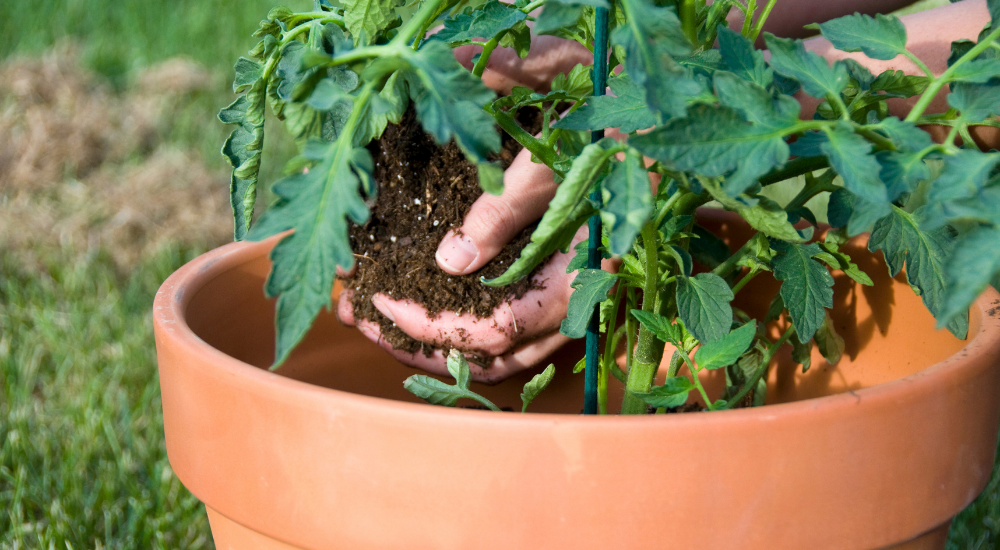 For those deciding between containers and in-ground planting, both options can produce excellent results when set up properly. Containers offer flexibility and control, making them ideal for patios, balconies, or smaller spaces. They warm up faster in spring and allow for precise soil management. However, they require more frequent watering and careful monitoring.
In-ground planting, on the other hand, allows roots to spread more naturally. With properly prepared soil, plants often grow larger and require less frequent watering. The trade-off lies in preparation—soil must be loosened, enriched, and maintained.
Space and air circulation are often overlooked but essential. Crowded plants compete for light and trap moisture around their leaves, increasing the risk of disease. Give each plant room to breathe and expand. Prepare the soil and nurture the roots, and the plants will awaken with strength.
Planting Deep
Tomatoes offer a rare advantage in the garden—they can form roots along their buried stems. This characteristic transforms planting depth into one of the most powerful tools for building strong, resilient plants.
When transplanting, bury the plant deeper than it grew in its original container. Remove the lower leaves and place the stem into the soil so that only the top portion remains above ground. This allows new roots to form along the buried stem, creating a broader and more stable root system.
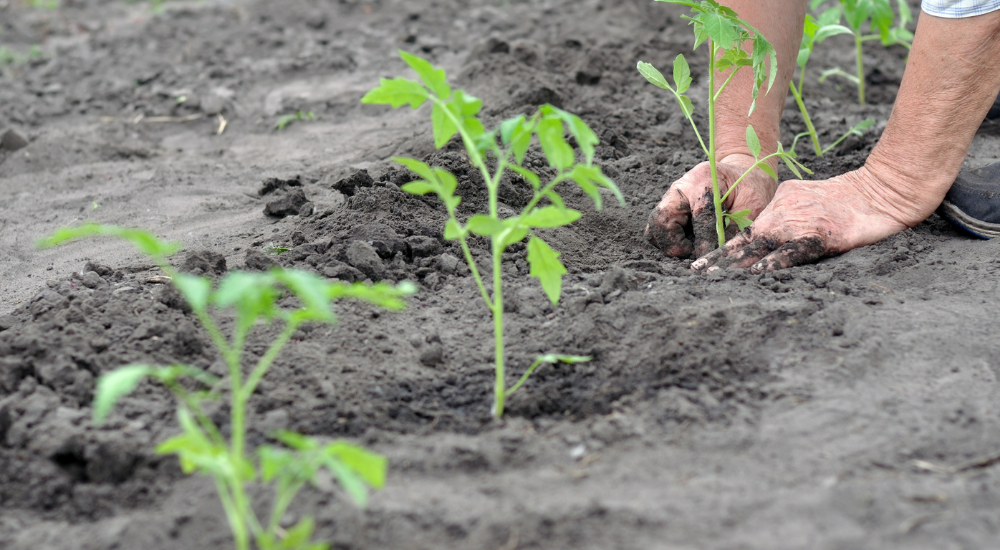 The roots dive, anchoring themselves in the soil, reaching for nutrients and stability. With this deeper foundation, plants become more resilient to wind, drought, and fluctuations in temperature.
Spacing matters here as well. Plants should typically be spaced about 45 to 60 centimetres apart, depending on the variety. This spacing allows for proper air circulation and ensures each plant has access to the nutrients it needs.
Planting deeply is not just a technique—it is a commitment to strength from the beginning. It sets the tone for the entire season, establishing a plant that is grounded, supported, and ready to grow with purpose.
Managing Suckers
Tomato plants grow with enthusiasm. New shoots emerge quickly, filling the spaces between the main stem and branches. These shoots, known as suckers, may seem harmless, but they quietly draw energy away from the plant’s primary growth.
Managing suckers is a key part of how to grow tomatoes effectively. By removing excess growth, the plant can focus its energy on producing stronger stems and better fruit.
 Suckers appear in the “V” where a branch meets the main stem. When they are small, they can be pinched off easily with fingers. For larger suckers, clean pruning shears should be used to avoid damaging the plant.
Clip away the excess growth and let the main stems flourish with vigour. This simple act improves air circulation, reduces crowding, and directs energy where it matters most.
Not every sucker needs to be removed. Some gardeners allow a few to develop, especially in larger spaces, to increase overall yield. The key is balance—removing enough to maintain structure without over-pruning.
Regular inspections make this task manageable. A quick check every few days keeps growth in control and prevents the plant from becoming tangled and unproductive.
Maintenance Essentials
Watering
Water is the lifeblood of tomato plants, but consistency is what truly sustains them.
Pour life into the roots steadily, letting moisture settle and awaken growth. Tomatoes prefer deep, consistent watering rather than frequent shallow watering. This encourages roots to grow deeper into the soil, building resilience against dry conditions.
Inconsistent watering can lead to issues such as cracking fruit or uneven growth. Aim to keep the soil evenly moist—not waterlogged, not dry. Early morning watering is ideal, allowing plants to absorb moisture before the heat of the day.
Mulching
Mulch acts as a quiet guardian at the soil’s surface.
Cover the earth with a protective layer, preserving warmth and guarding against drying winds. Organic mulch, such as straw or shredded leaves, helps retain moisture, regulate soil temperature, and reduce weed growth.
Mulching also prevents soil from splashing onto leaves during watering or rain, which can reduce the spread of disease. Over time, organic mulch breaks down and improves soil structure, adding long-term benefits to the garden.
 Support & Staking
Tomato plants grow upward with determination, but without support, their stems can bend, break, or sprawl across the ground.
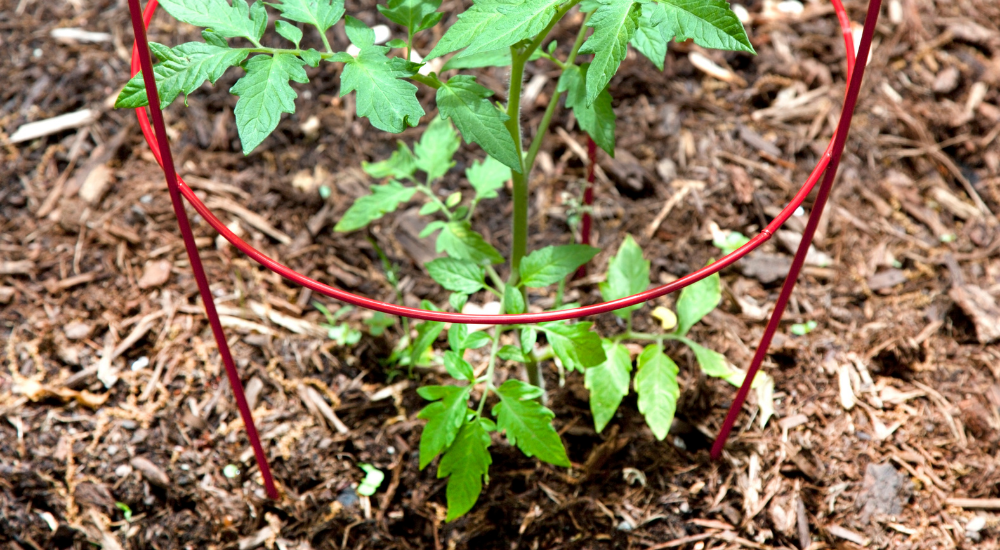
Secure stems with care, guiding their ascent toward sunlight and abundance. Stakes, cages, or trellises provide the structure needed to keep plants upright and organized.
Install supports early—ideally at planting time—to avoid disturbing roots later. As the plant grows, gently tie stems to the support, allowing room for expansion without constriction.
Proper support improves air circulation, keeps fruit clean, and makes harvesting easier. It transforms a sprawling plant into a structured, productive system.
 Observation and Seasonal Care
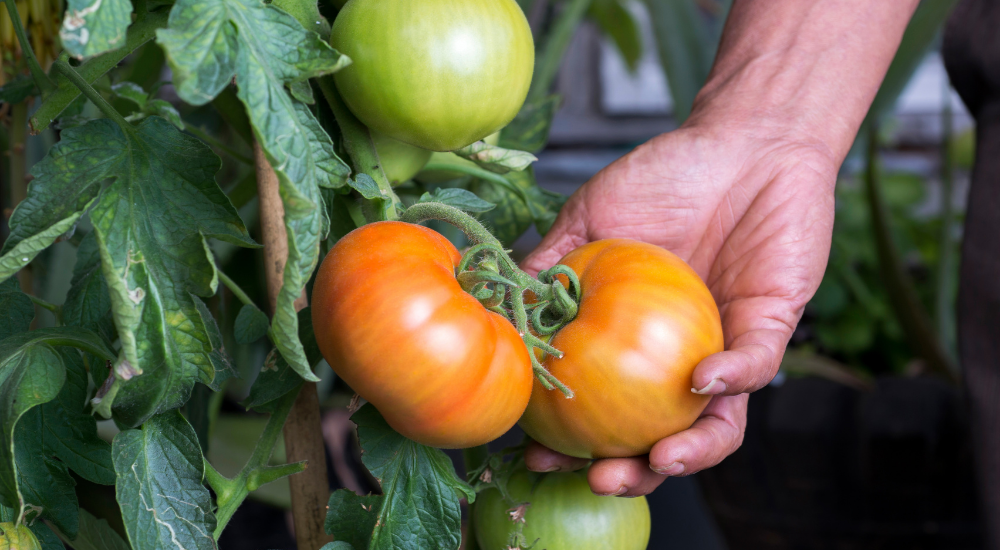
A thriving tomato plant speaks through its leaves, stems, and fruit. Observing these signals turns gardening from routine into relationship.
Leaves that are vibrant and upright suggest strong health, while discolouration or curling may indicate stress. Stems should feel sturdy and well-supported. Fruit development should be steady, with colour and size progressing evenly.
Regular observation allows small issues to be addressed before they become larger problems. It is here that tomato plant care becomes intuitive—guided by what the plant reveals rather than guesswork.
Consider keeping a simple garden journal or taking periodic photos. Tracking growth over time provides insight into what works and what needs adjustment. Patterns emerge, and each season becomes a learning experience.
This attentiveness transforms gardening into something deeper. It is no longer just about tasks, but about understanding the rhythms of growth and responding with care.
Conclusion
Tomato plants do not demand perfection, but they do respond to intention. From the moment they are planted deeply into prepared soil to the steady rhythm of watering, pruning, and support, each action contributes to a stronger, more productive plant.
The journey is gradual. Growth unfolds over weeks, shaped by small, consistent efforts. With these tomato growing tips, the process becomes clearer, more manageable, and ultimately more rewarding.
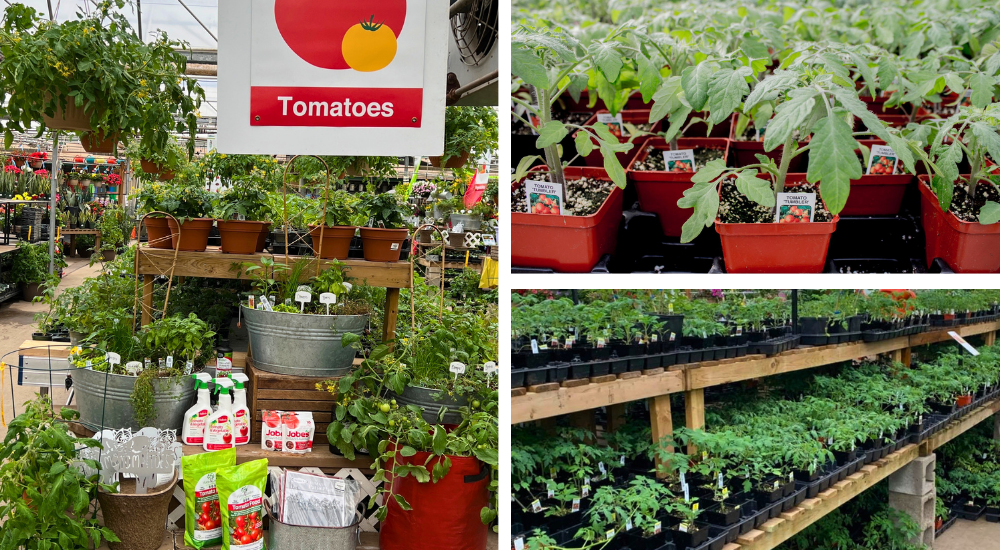 Growing tomatoes becomes more than a task—it becomes a practice of attention, patience, and connection. Every stem, every leaf, every fruit is proof of care, patience, and the magic of growth.
Start your season with confidence by picking up everything you need at Salisbury Greenhouse. From strong, healthy starter plants to quality soil, supports, and the right tools, it’s all here to help you grow better tomatoes from day one!