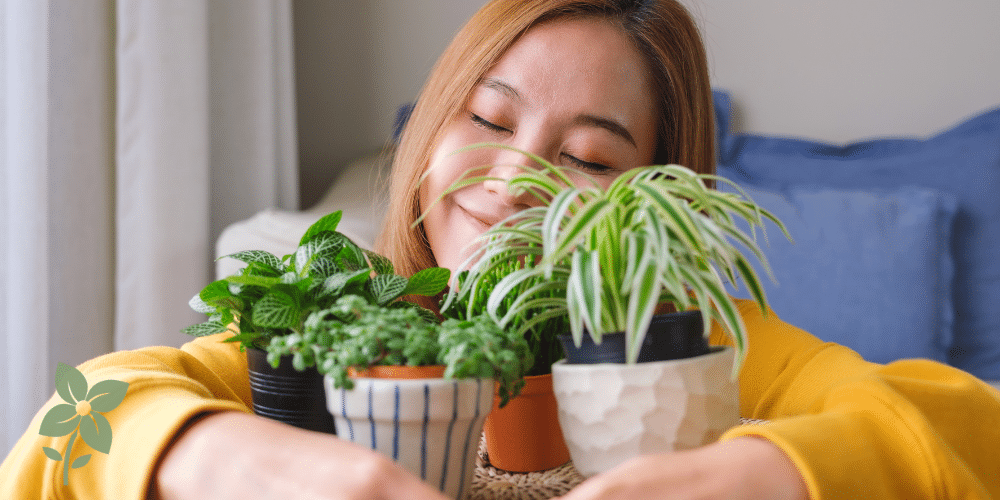
Sometimes your plants aren’t asking for more water—they’re quietly yearning for a style upgrade. Indoor planters have a way of setting the tone long before a leaf unfurls or a stem stretches toward the sun. Think of them as the outfit your plants wear every single day. A tired, mismatched pot can make even the healthiest foliage look uninspired, while a thoughtful upgrade can transform the same plant into a design moment.
This is the magic of the pot swap. Without adding a single step to your care routine, changing what your plant lives in can refresh a room, sharpen your aesthetic, and make your greenery feel intentional rather than incidental. It’s a small shift with outsized impact—like changing shoes and suddenly feeling put together. The plant stays the same. The experience changes entirely.
The Power of the Pot – Why It Matters
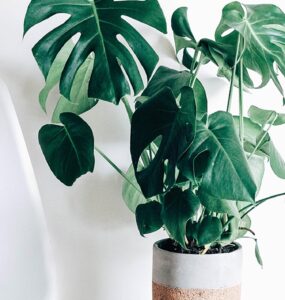
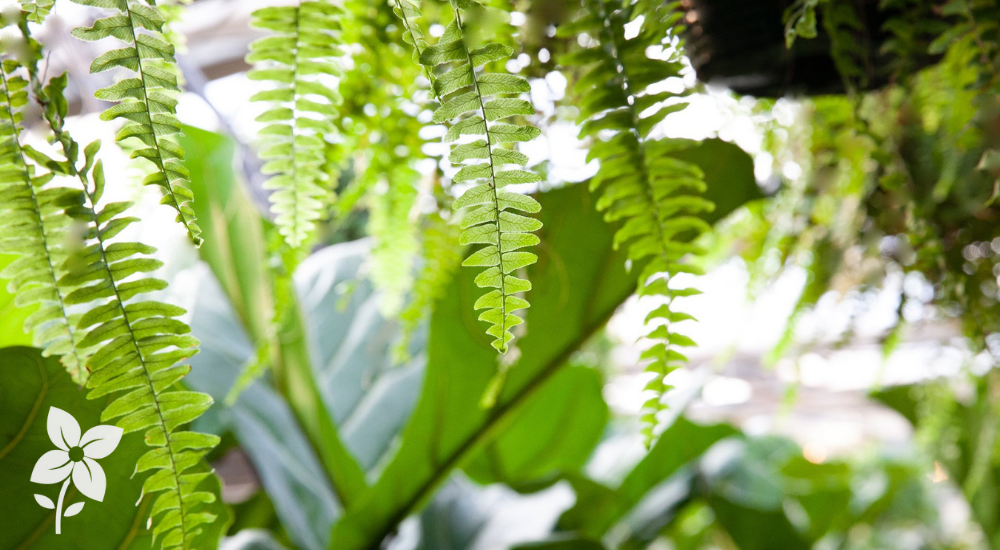
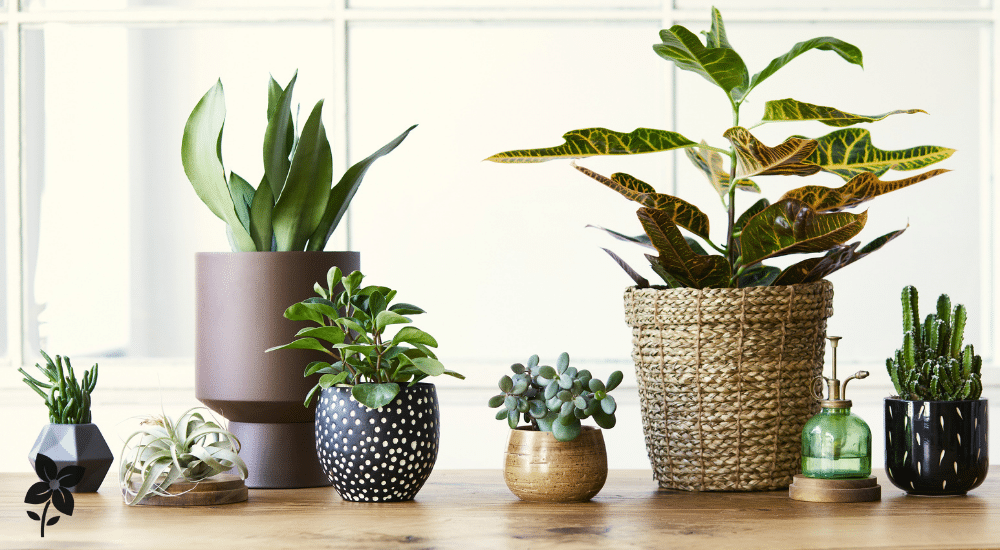
Pots do far more than hold soil and roots in place. They frame your plants, elevate their presence, and quietly guide the eye through a space. A dull pot can flatten a lush fern into the background, while a sculptural planter can make a humble pothos look gallery-worthy.
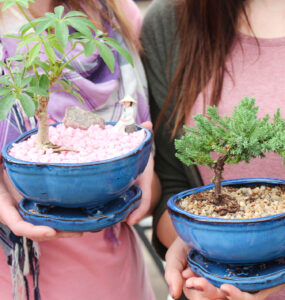
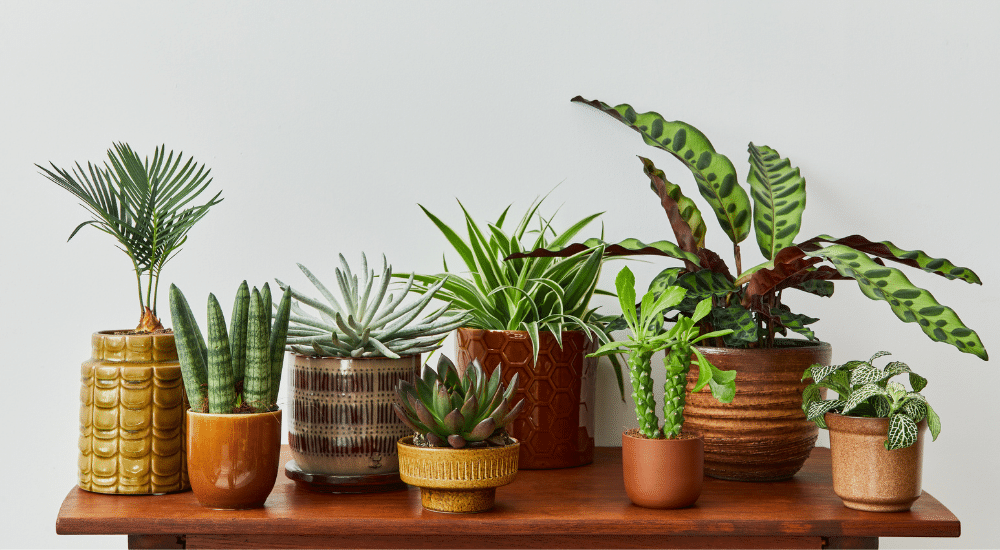
Materials, textures, and colours all speak their own language. Matte ceramics suggest calm and modernity. Warm terracotta feels grounded and timeless. Sleek metallic finishes bring edge and contrast. These elements don’t compete with your plants—they collaborate with them. Together, they tell a visual story about your home.
Plants are living sculptures, always shifting and growing. The pot is the pedestal. Choose wisely, and even the simplest plant begins to feel curated rather than casual.
 Choosing the Right Pot – Practical Considerations
Before style comes structure. A beautiful pot should still support plant health, and the best choices balance form with function.
Size matters.
A pot that’s too large can hold excess moisture; too small, and roots become cramped. Aim for a container that gives your plant just enough room to grow without drowning it in soil.
Drainage is non-negotiable.
If the pot doesn’t have a drainage hole, consider using it as a cachepot—slip a nursery pot inside and remove it for watering.
Material affects mood and moisture.
- Ceramic: Polished, versatile, and ideal for most houseplants
- Terracotta: Breathable, classic, and perfect for plants that prefer drier soil
- Metal or concrete: Bold and modern, best used with inner liners
This is where practicality meets personality. The right choice keeps your plant thriving while quietly reinforcing your home’s aesthetic rhythm.
Style Swaps – Transformative Ideas
A pot swap can feel like a reveal. The plant hasn’t changed, but everything about how you see it has.
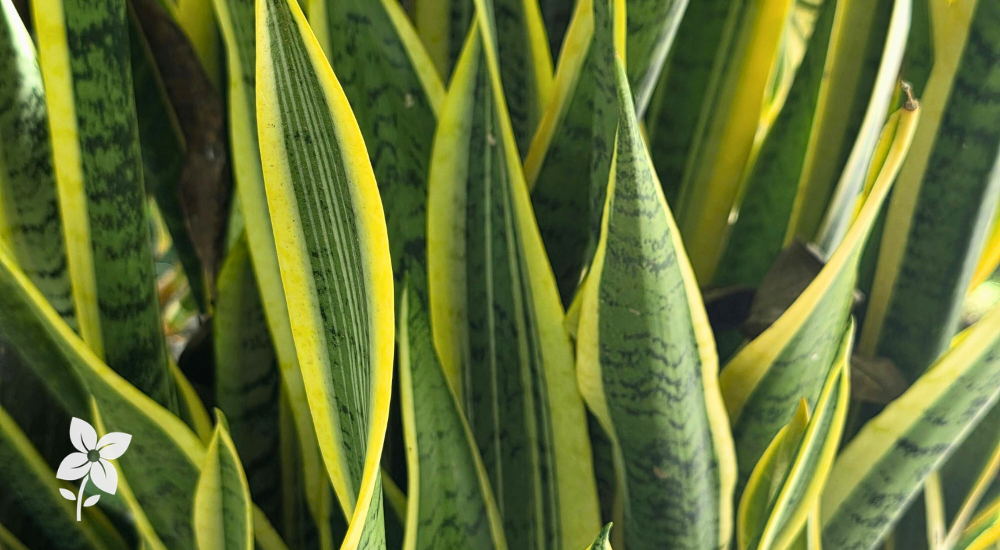
Picture a snake plant moving from a lightweight plastic pot into a tall, matte black cylinder. Suddenly, it’s architectural. Or a trailing philodendron transferred into a soft, rounded ceramic planter—its vines feel more fluid, more intentional.
Texture plays a starring role. Ribbed finishes add depth. Smooth glazes keep things serene. Round pots whisper softness; angular planters command attention. Even colour shifts matter. Earth tones can ground a space. Crisp whites brighten. Deep greens blend seamlessly, letting foliage take centre stage.
This is where decorative plant pots shine—not by overpowering the plant, but by enhancing its natural character.
 Matching Pots with Your Décor
Your home already has a palette and personality. Your plant pots should feel like they belong in that conversation.
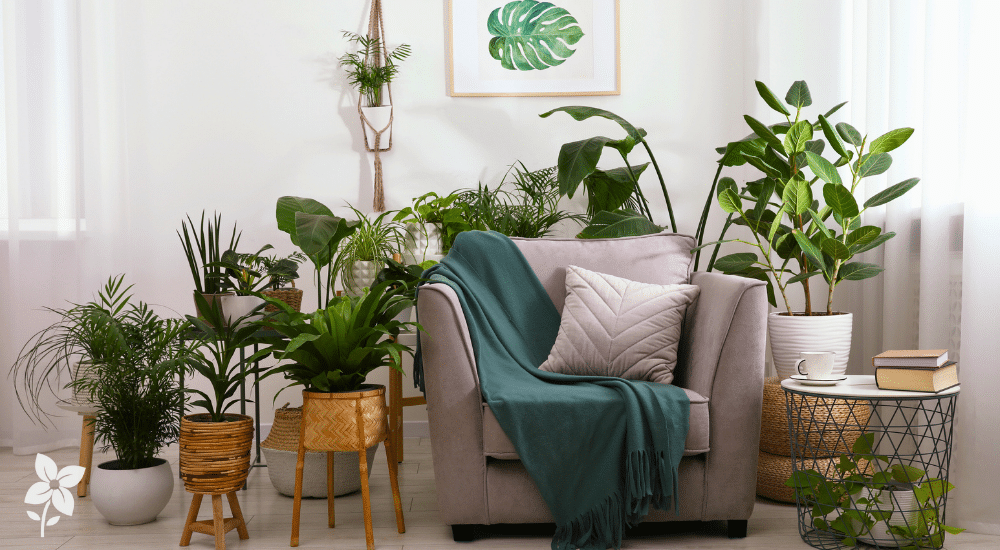
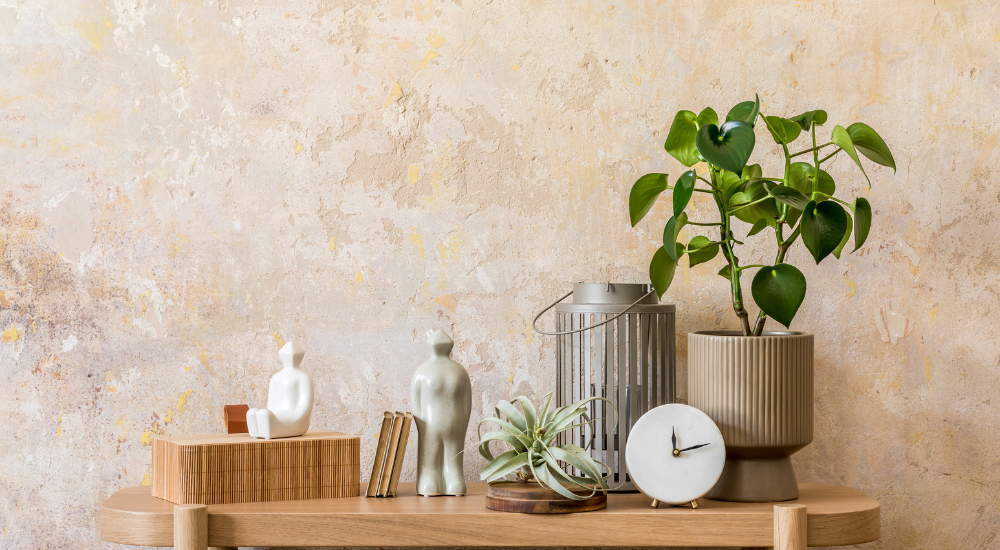
In a minimalist space, think clean lines and muted tones. A single oversized planter can act as functional sculpture. In a cozy, layered home, textured ceramics and warm neutrals add depth without clutter. For eclectic interiors, mixing shapes and finishes creates playful harmony rather than chaos.
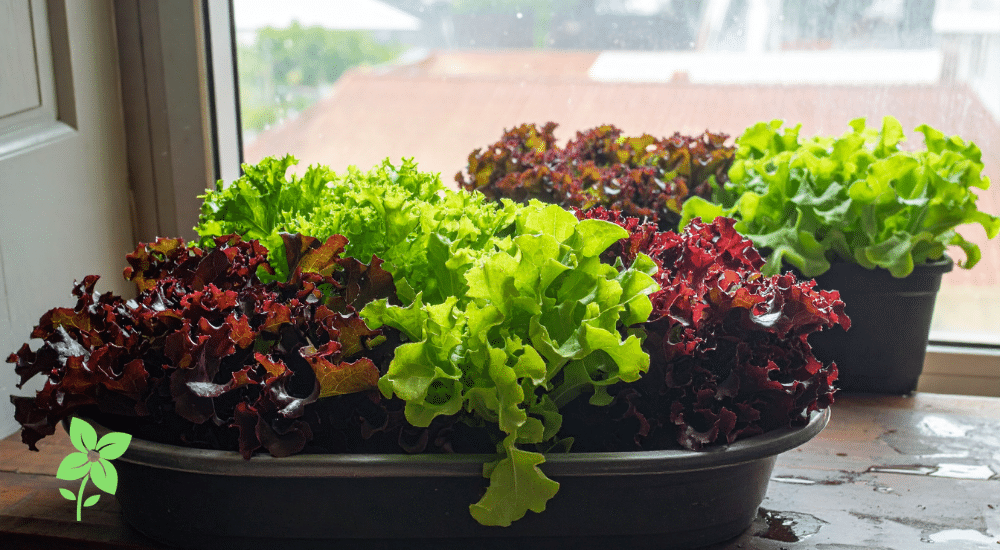
Imagine a sunlit living room: a fiddle leaf fig anchored in a stone-coloured planter, flanked by smaller plants in complementary tones. Or a kitchen shelf where herbs sit in simple, uniform pots that keep the look tidy and intentional. Once your pots are perfectly paired, discover how to elevate your entire room by styling shelves that turn every plant into a captivating focal point.
The goal isn’t perfection—it’s cohesion. When pots echo your décor, plants feel integrated, not added on as an afterthought.
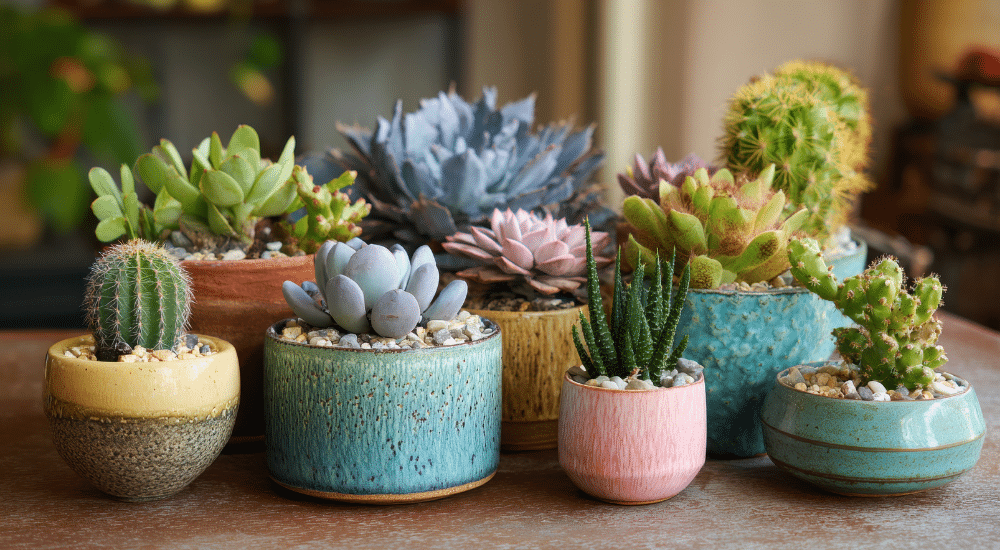 Easy Wins – Simple, Feel-Good Upgrades
Not every upgrade requires a full overhaul. Some of the most satisfying changes are also the simplest.
- Group similar pots for instant visual calm
- Swap mismatched containers for one consistent material
- Upgrade one statement plant instead of everything at once
These small decisions create ripple effects. A single pot swap can turn a forgotten corner into a moment of green serenity. The joy comes not just from how it looks, but from how effortless it feels.
Even seasoned plant lovers are often surprised by how transformative the right indoor plant pots can be—no pruning, no fertilizing, just a fresh perspective.
Houseplants already bring life into a room. The right pot simply helps them speak more clearly. Thoughtful upgrades turn everyday greenery into intentional design, proving that style doesn’t have to demand extra effort.
As you look around your home, consider which plants might be ready for a quiet wardrobe change. With the best pots for indoor plants, even familiar favourites can feel new again. Let your greenery stand tall, framed beautifully, and supported by indoor planters that reflect both your style and your vision.
Better Pots, Happier Plants
A thoughtfully selected pot can completely change how a houseplant shows up in your space, giving roots room to thrive while bringing visual balance to the room. Leaves unfurl with ease, your décor elevates, and your plants and home settle into a calm sense of rightness. Swapping planters is a simple act that encourages plant vitality and rewards the eye with harmony, proving that choosing planters with intention can feel as satisfying as it is effortless.
Sometimes, the right pot is all it takes to make a big impact.
Stop by Salisbury Greenhouse and discover indoor planters that support strong roots, proper drainage, and cohesive displays.