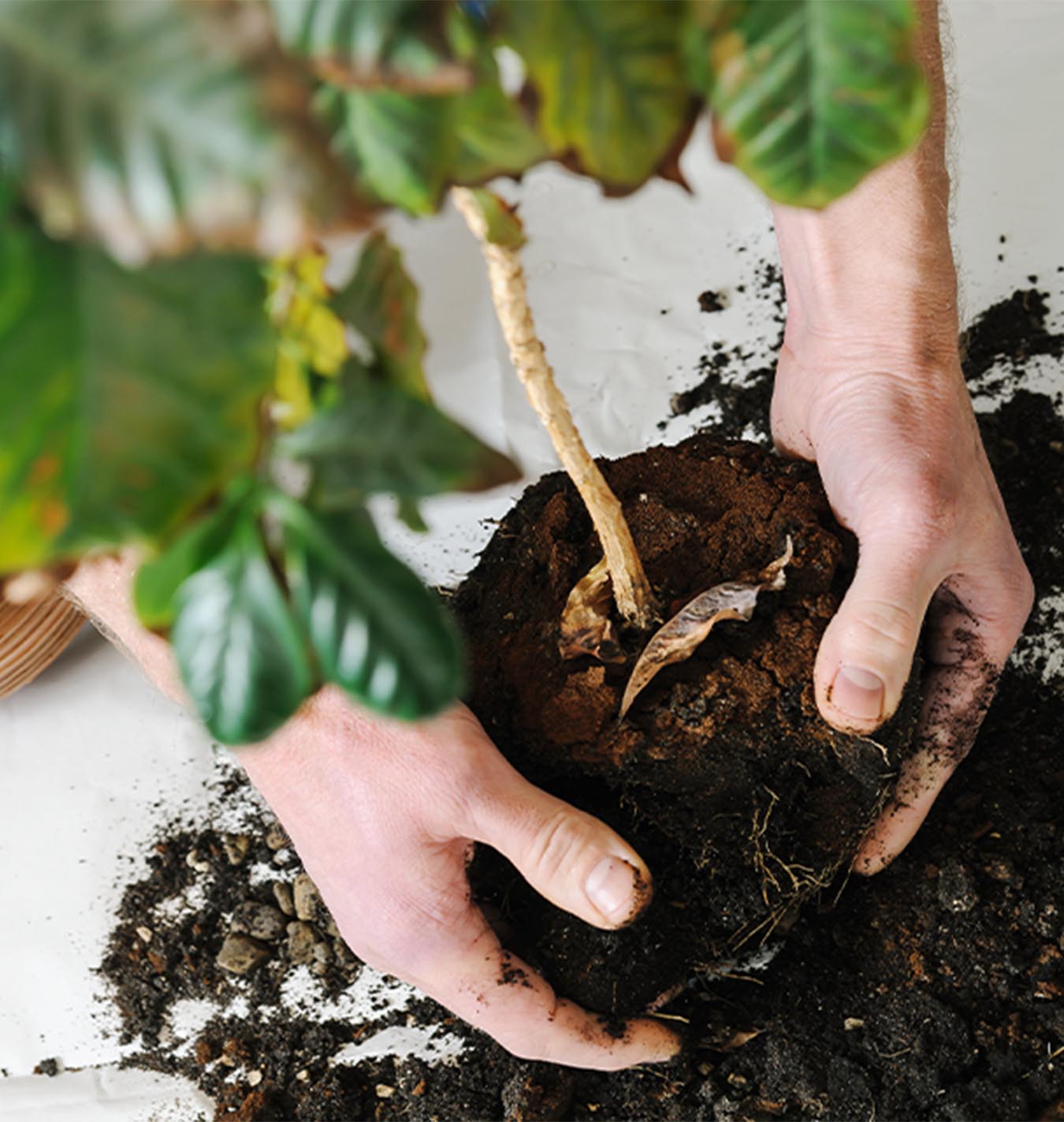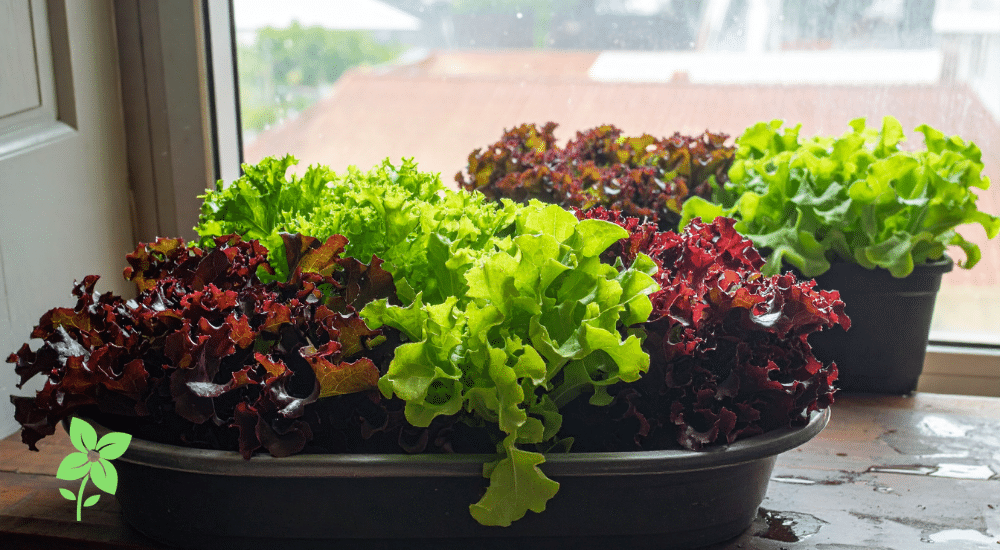

Ever wished your walls could breathe? An indoor jungle doesn’t announce itself loudly—it arrives quietly, leaf by leaf, until one day your home feels different. The air feels softer. The corners feel alive. Even the light seems to linger a little longer as it filters through green. Bringing plants indoors isn’t about mastering horticulture or turning your living room into a greenhouse; it’s about inviting a living presence into your everyday life.
For beginners, the idea of filling a home with plants can feel equal parts exciting and intimidating. Too many rules. Too many horror stories of drooping leaves and mysterious yellowing. But here’s the truth seasoned plant lovers know: creating a lush, welcoming space with plants is far simpler than it looks. With the right starting lineup and a few thoughtful choices, greenery becomes less of a chore and more of a joy.
This guide is designed to make the first step feel doable. Not overwhelming. Not precious. Just deeply satisfying.
Why an Indoor Jungle? (The “Why”)
Before the first pot is placed or the first leaf unfurls, it helps to understand why plants have such a powerful effect indoors.
A home without plants can feel static—functional, but flat. Introduce greenery, and suddenly the space softens. Plants filter the light, break up hard lines, and add movement where there was once stillness. Even on quiet days, leaves shift, stems stretch, and growth happens in real time. As you nurture your indoor jungle, you might be surprised to discover just how much these leafy companions can lift your spirits, sharpen your focus, and bring a sense of calm to your home throughout the winter months.
There are practical benefits, too. Plants help improve indoor air quality, regulate humidity, and reduce that dry, stale feeling common in closed spaces. But the emotional benefits may be even stronger. Studies consistently link indoor greenery to reduced stress, improved focus, and a general sense of calm. A room filled with plants feels less like a container and more like a refuge.
Most importantly for beginners, this transformation doesn’t require dozens of plants or years of experience. A small, intentional collection can completely shift the mood of a room. You don’t need perfection—you need participation.
Indoor Jungle Starter Pack (The “What”)
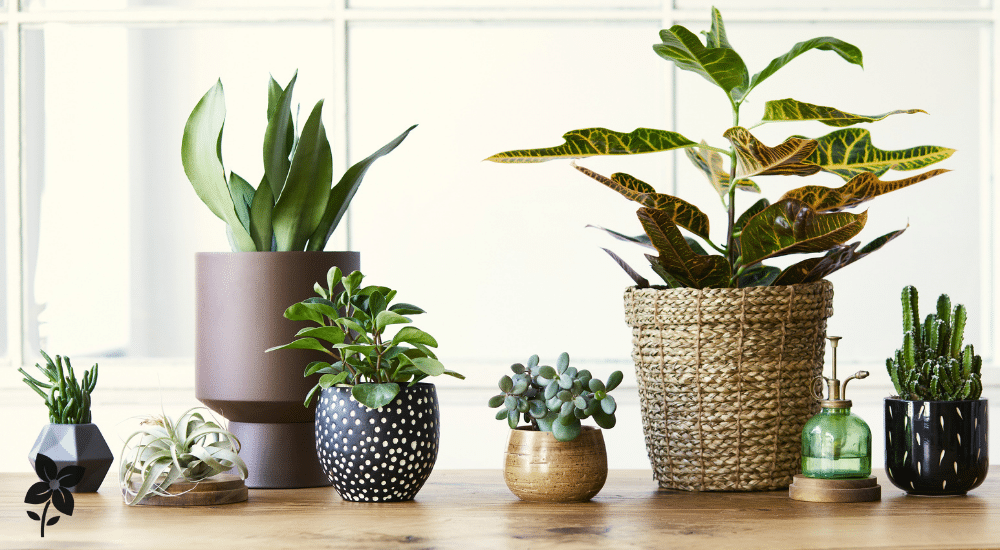
Think of your starter plants as characters in a story—each with a role to play, each bringing something different to the scene. These are plants chosen not just for their looks, but for their patience.
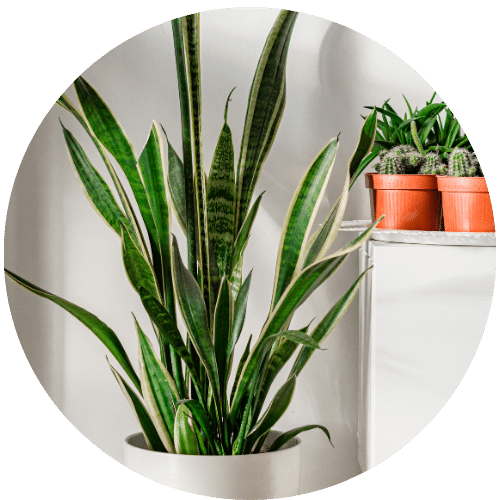
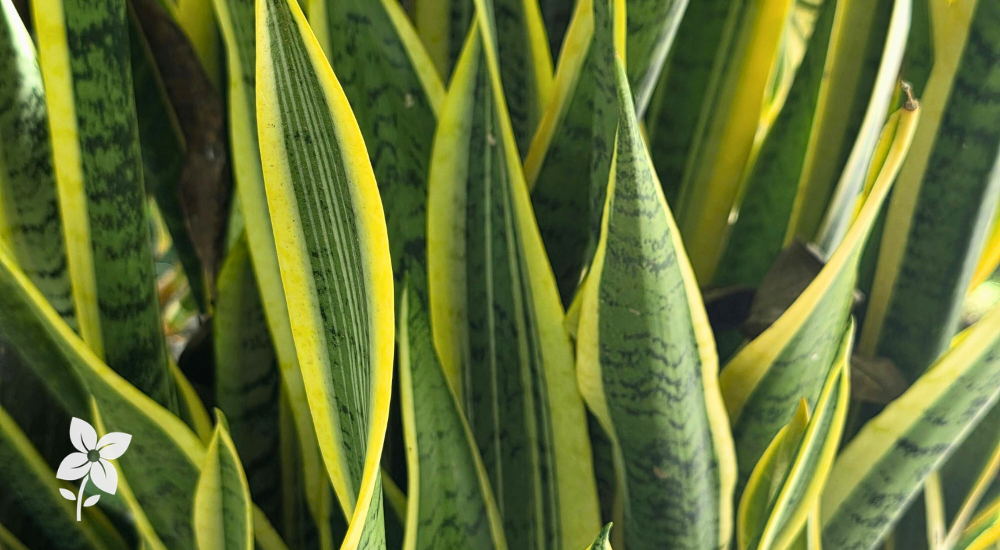
1. Snake Plant (Sansevieria) – The Silent Sentinel
Tall, architectural, and nearly indestructible, the snake plant stands guard over your space. It tolerates low light, forgives missed waterings, and still manages to look composed while doing it. Its upright leaves add height and structure, making it ideal for corners or entryways.
Care snapshot: Bright to low light, water only when soil is fully dry.
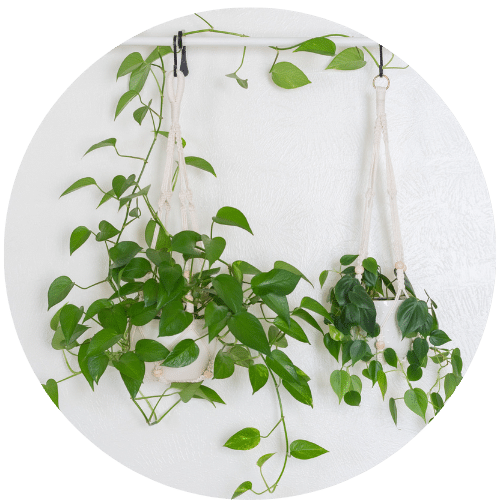
2. Pothos – The Easygoing Drifter
The pothos doesn’t rush. It trails, it climbs, it adapts. Whether perched on a shelf or cascading from a hanging planter, it brings motion into a room. Its heart-shaped leaves feel generous, as if the plant is constantly giving more than expected.
Care snapshot: Medium to low light, water when the top inch of soil dries.
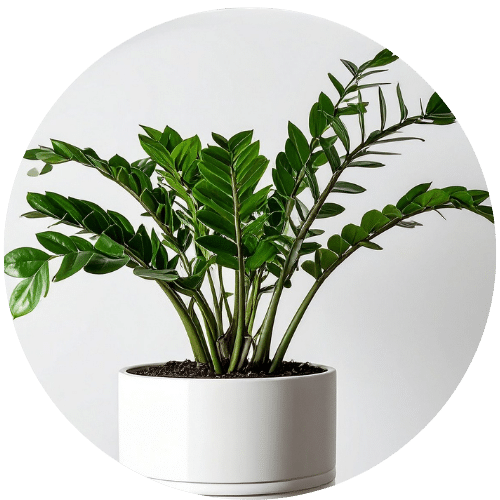
3. ZZ Plant – The Quiet Overachiever
With glossy leaves that seem almost polished, the ZZ plant thrives on neglect. It stores water in its roots, making it ideal for busy households or forgetful beginners. It’s proof that low effort doesn’t mean low impact.
Care snapshot: Low to bright indirect light, infrequent watering.
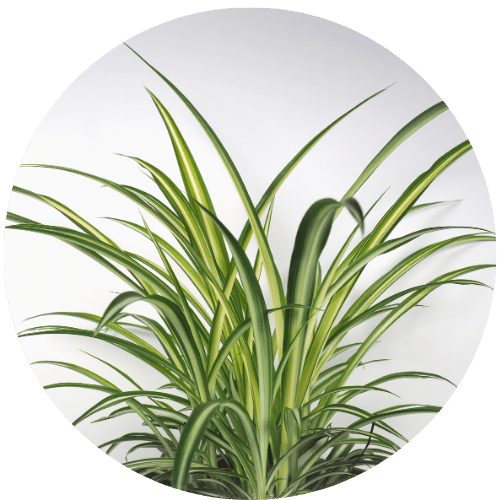
4. Spider Plant – The Cheerful Multiplier
Light, playful, and endlessly optimistic, the spider plant produces baby offshoots that dangle like ornaments. It brightens shelves and windows while quietly multiplying, offering future plants as gifts—or expansions of your jungle.
Care snapshot: Bright indirect light, evenly moist soil.
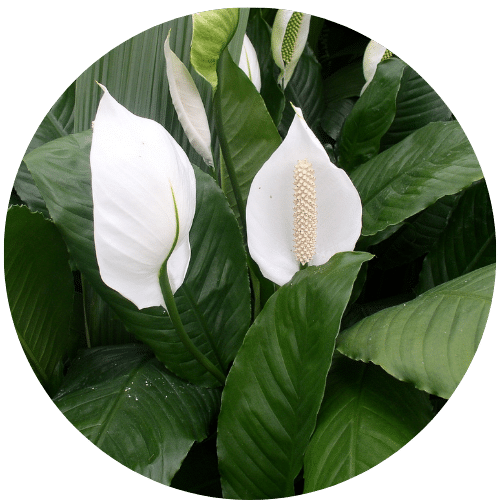
5. Peace Lily – The Gentle Balancer
With soft green leaves and elegant white blooms, the peace lily brings calm to any space. It communicates clearly—wilting slightly when thirsty—making it surprisingly beginner-friendly despite its refined appearance.
Care snapshot: Medium light, consistent watering, enjoys humidity.
Together, these plants form a balanced foundation of textures, heights, and growth habits—perfect, easy indoor plants that don’t demand expertise to thrive.
Styling Your Indoor Jungle (The “How”)
An indoor jungle isn’t just about what you grow—it’s about how you let it live in your space.
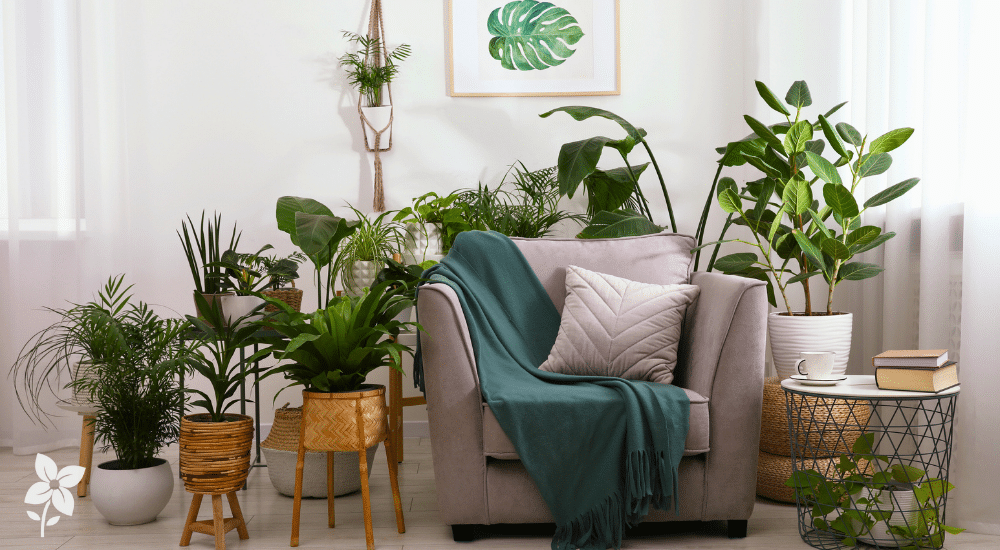
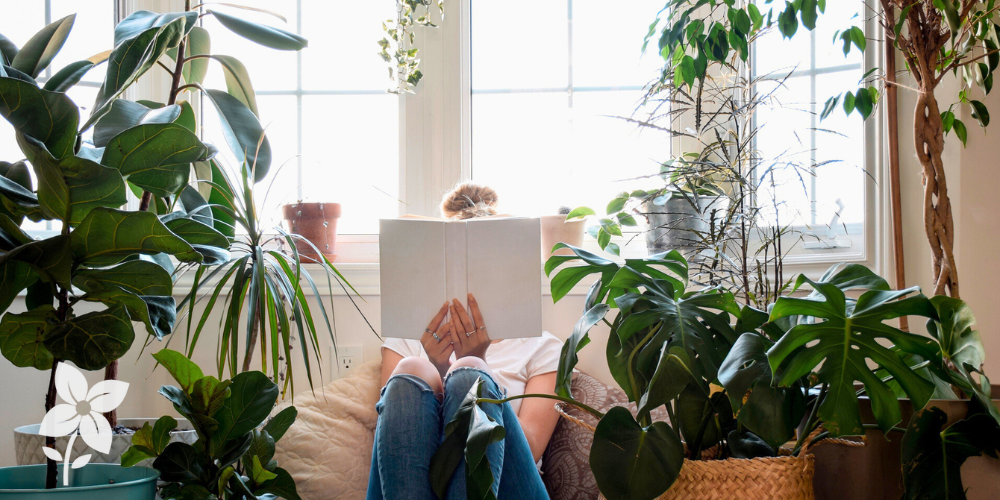
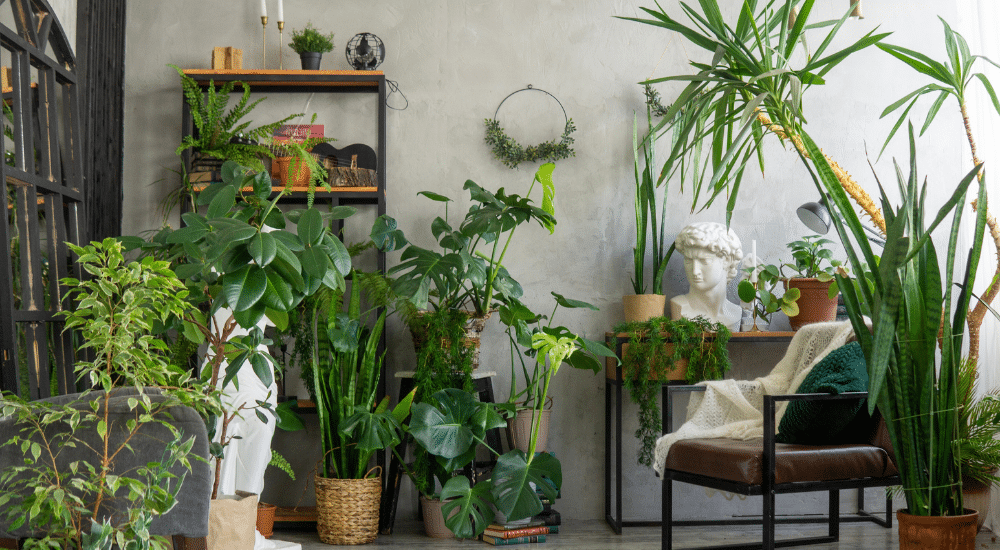
Start by thinking in layers. Tall plants anchor a room, mid-sized plants fill visual gaps, and trailing plants soften edges. Grouping plants creates depth, turning a single corner into a miniature forest rather than a scattered collection.
Light is your guide. Place brighter-light plants near windows and shade-tolerant ones deeper into the room. This natural gradient creates a sense of movement, as though the room itself is responding to the sun.
Texture matters, too. Pair glossy leaves with matte ones, upright plants with trailing vines. Contrast brings richness. Even simple pots—especially in neutral tones—allow the plants themselves to be the focal point.
Use stands, shelves, and ledges to elevate plants at different heights. This prevents overcrowding and keeps the arrangement feeling intentional rather than accidental. The goal isn’t symmetry—it’s rhythm.
When done thoughtfully, indoor plants for home design don’t just decorate a space; they shape it.
 Care Tips for a Thriving Indoor Jungle
Plant care doesn’t require obsession—just awareness.
Watering
Most beginner mistakes come from overwatering. When in doubt, wait. Many plants prefer to dry out slightly between waterings. Learn the weight of a freshly watered pot versus a dry one; it’s one of the simplest, most reliable indicators.
Light
Bright indirect light is ideal for most houseplants. Direct sun can scorch leaves, while too little light slows growth. If a plant stretches toward the window, it’s asking politely for more.
Humidity
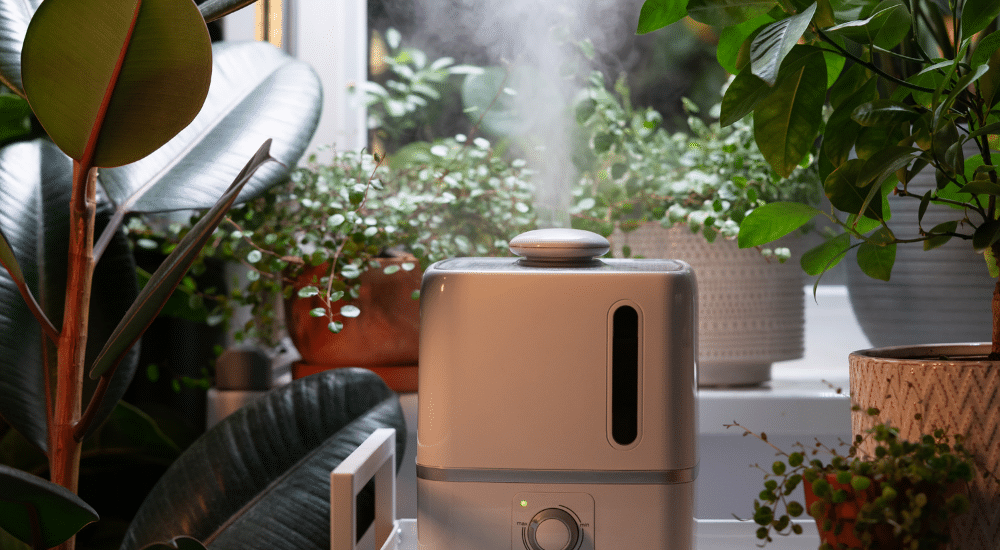
Bathrooms and kitchens are natural havens for plants that enjoy moisture. For others, grouping plants together creates a shared microclimate that benefits them all.
Feeding
Plants don’t need much, but they do appreciate consistency. A gentle fertilizer during the growing season supports steady, healthy growth—especially for low-maintenance houseplants that otherwise ask for very little.
And remember: leaves fall, growth pauses, mistakes happen. This isn’t failure—it’s part of working with living things.
 Bringing It All Together
Creating your first indoor jungle isn’t about filling every surface with green—it’s about choosing a few plants and letting them change the way your home feels. What begins as a starter pack becomes a habit, then a hobby, then a quiet source of pride. A once-empty corner turns lush. A shelf comes alive. The space starts to breathe back.
There’s no finish line here. Every new leaf is progress. Every adjustment is learning. And every plant you add becomes another voice in the living conversation of your home.
Start small. Start curious. Let your indoor jungle grow with you. And, if you need a little help along the way, Salisbury Greenhouse is here to guide your growth!